

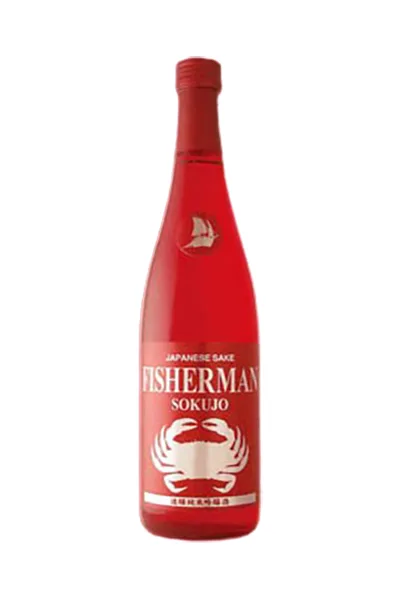
Fisherman Sokujo Junmai Ginjo
Fisherman Sokujo 速醸 純米吟醸酒Junmai ginjo
Fisherman Sokujo — Shiokawa Shuzo, Niigata
A sake that pairs well with shrimp and crab.
Specifications
- Type
- Junmai Ginjo
- Rice
- Not disclosed
- Yeast
- Not disclosed
- Alcohol
- 14.5%
- Sake meter value
- -13.7very sweet
- Acidity
- 2.1
How to read these
- Type
- The grade printed on the label. It depends on the ingredients (rice only, or with a little distilled alcohol) and on how far the rice is polished. More
- Rice
- The rice variety. Most premium sake uses varieties grown for brewing, such as Yamada Nishiki. More
- Yeast
- The yeast strain, which shapes the aroma. More
- Alcohol
- Alcohol by volume. Most sake is 15–16%; undiluted (genshu) sake is often 17–18%. More
- Sake meter value
- A sweet-to-dry scale. Plus is drier, minus is sweeter. Acidity changes how it tastes, so treat it as a rough guide. More
- Acidity
- Total acid. Higher tends to taste fuller and drier; lower tastes lighter and sweeter. More
Flavor profile Full & complex
Full & complex — aromatic and full-bodied, including aged sake. Known in Japan as juku-shu (熟酒).
The sweet SMV of -13.7 and acidity of 2.1, together with the described fruity aroma and deep koku, point to a fairly aromatic profile with noticeable sweetness and a moderately full, rich body.
Estimated by AI from the published specifications and the brewery's description; your impression may differ.
About
Fisshaman Sokujo draws out the crisp flavor and sweetness of sokujo shubo (quick-brewing yeast starter), a method representative of modern sake brewing. Through this approach, it achieves a flavor and depth of body that rival those of fine white wine. The symbol of the brand is the ichogani (イチョウガニ, Ichōgani), a species of wataridagani (swimming crab), which is among the most widely eaten crabs in the world. Its eye-catching bright red bottle reflects the character of the sake. This sake goes well with fish dishes in general, but it shows its full potential when served with foods rich in umami components, such as shrimp and crab. With the fruity aroma and light sweetness of a fine white wine, the palate of Fisshaman Sokujo demonstrates the new potential of sake. Through rice, koji, and brewing techniques, sake can be shaped into almost any flavor.