

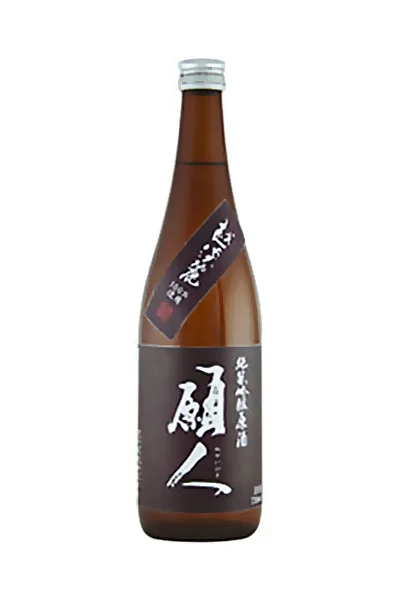
Negaibito Yamahai Junmai Ginjo Genshu
願人 山廃 純米吟醸 原酒Junmai ginjo, rice polished to 60%, yamahai starter, undiluted (genshu)
Negaibito — Shiokawa Shuzo, Niigata
Brewed with the hope that it will be loved by many.
Specifications
- Type
- Junmai Ginjo
- Rice
- Not disclosed
- Rice polishing ratio
- 60%40% of each grain polished away
- Yeast
- Not disclosed
- Alcohol
- 18–19%
- Sake meter value
- +3.9dry
- Acidity
- 1.9
How to read these
- Type
- The grade printed on the label. It depends on the ingredients (rice only, or with a little distilled alcohol) and on how far the rice is polished. More
- Rice
- The rice variety. Most premium sake uses varieties grown for brewing, such as Yamada Nishiki. More
- Rice polishing ratio
- How much of each grain is left after polishing. A lower number means more was milled away, which usually gives a lighter, more aromatic sake. More
- Yeast
- The yeast strain, which shapes the aroma. More
- Alcohol
- Alcohol by volume. Most sake is 15–16%; undiluted (genshu) sake is often 17–18%. More
- Sake meter value
- A sweet-to-dry scale. Plus is drier, minus is sweeter. Acidity changes how it tastes, so treat it as a rough guide. More
- Acidity
- Total acid. Higher tends to taste fuller and drier; lower tastes lighter and sweeter. More
Flavor profile Full & complex
Full & complex — aromatic and full-bodied, including aged sake. Known in Japan as juku-shu (熟酒).
The 60% polishing ratio of this junmai ginjo suggests a moderately aromatic profile. Yamahai brewing, genshu strength at 18-19%, and high acidity of 1.9 point to a full, rich body, while the SMV of +3.9 suggests a slightly dry finish.
Estimated by AI from the published specifications and the brewery's description; your impression may differ.
About
In the Edo period, the area around Niigata City suffered repeatedly from floods and droughts. Negaibito (Ganjin) were people who overcame many hardships to contribute to the development of the region, and whose efforts through the excavation of the Shinkawa channel fulfilled the dreams of the people living nearby. In Uchino-machi, they are affectionately called Ganjin-san (Ganin-san), and a monument still stands to honor their achievements. The story of the Negaibito teaches us that wishes can be fulfilled through making them and taking action.