

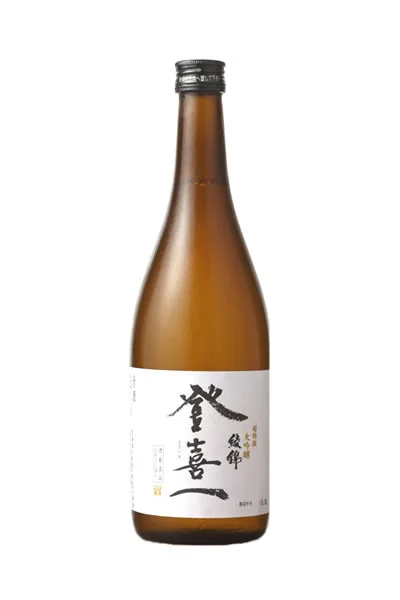
Ayanishiki Daiginjo Tokiichi
綾錦大吟醸 登喜一Daiginjo, Yamada Nishiki rice polished to 38%
Ayanishiki — Unkai Shuzo, Miyazaki
Aromatic and tanrei (light and clean), yet full-bodied and dry
Specifications
- Type
- Daiginjo
- Rice
- Yamada Nishiki
- Rice polishing ratio
- 38%62% of each grain polished away
- Yeast
- Not disclosed
- Alcohol
- 17–18%
- Sake meter value
- +2.5slightly dry
How to read these
- Type
- The grade printed on the label. It depends on the ingredients (rice only, or with a little distilled alcohol) and on how far the rice is polished. More
- Rice
- The rice variety. Most premium sake uses varieties grown for brewing, such as Yamada Nishiki. More
- Rice polishing ratio
- How much of each grain is left after polishing. A lower number means more was milled away, which usually gives a lighter, more aromatic sake. More
- Yeast
- The yeast strain, which shapes the aroma. More
- Alcohol
- Alcohol by volume. Most sake is 15–16%; undiluted (genshu) sake is often 17–18%. More
- Sake meter value
- A sweet-to-dry scale. Plus is drier, minus is sweeter. Acidity changes how it tastes, so treat it as a rough guide. More
Flavor profile Aromatic & light
Aromatic & light — fruity, floral aroma with a light body. Known in Japan as kun-shu (薫酒).
The 38% polishing ratio, daiginjo classification and the description of a fragrant, floral nose point to high aroma. The stated light yet rich, dry character with SMV +2.5 suggests a light body with modest sweetness.
Estimated by AI from the published specifications and the brewery's description; your impression may differ.
About
Unkai Shuzo, known for its shochu (distilled spirit), also produces sake. Made with carefully polished Yamada Nishiki sake rice and pure water from Aya in Miyazaki, an area with one of Japan's leading evergreen broadleaf forests, this sake represents Miyazaki. Its aroma is elegant, and its flavor has depth and breadth. It is a dry daiginjo that is easy to drink.