

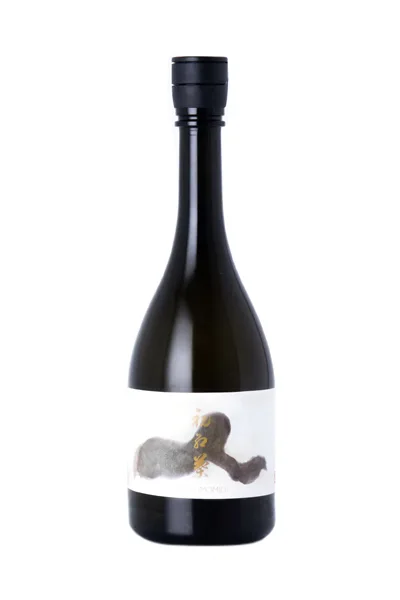
Hatsumomiji Junmai Daiginjo Tobin Gakoi
初紅葉 純米大吟醸 斗瓶囲いJunmai daiginjo, Yamada Nishiki rice polished to 35%, drip-pressed (shizuku), collected in 18-litre bottles (tobin)
Hatsumomiji — Hatsumomidi, Yamaguchi
A luxurious bottle of Yamaguchi-grown Yamada Nishiki polished to 35%.
Specifications
- Type
- Junmai Daiginjo
- Rice
- Yamada Nishiki
- Rice polishing ratio
- 35%65% of each grain polished away
- Yeast
- Not disclosed
- Alcohol
- 16%
How to read these
- Type
- The grade printed on the label. It depends on the ingredients (rice only, or with a little distilled alcohol) and on how far the rice is polished. More
- Rice
- The rice variety. Most premium sake uses varieties grown for brewing, such as Yamada Nishiki. More
- Rice polishing ratio
- How much of each grain is left after polishing. A lower number means more was milled away, which usually gives a lighter, more aromatic sake. More
- Yeast
- The yeast strain, which shapes the aroma. More
- Alcohol
- Alcohol by volume. Most sake is 15–16%; undiluted (genshu) sake is often 17–18%. More
Flavor profile Aromatic & light
Aromatic & light — fruity, floral aroma with a light body. Known in Japan as kun-shu (薫酒).
Polished to 35% Yamada Nishiki as a junmai daiginjo, with the description citing refined ginjo aroma and gentle sweetness. The clear palate from tobin-gakoi handling points to a light body and a kun-type profile.
Estimated by AI from the published specifications and the brewery's description; your impression may differ.
About
This sake is characterized by a refined ginjo aroma and a gentle sweetness. It is also finished using a method called tobin gakoi (Tobin Gakoi), in which the sake pressed from the moromi (fermentation mash) is placed in tobin, traditional containers, for sediment settling (ori-biki) and storage. As a result, the sake is less likely to experience stress, which produces a vivid aroma and a clear, transparent flavor.