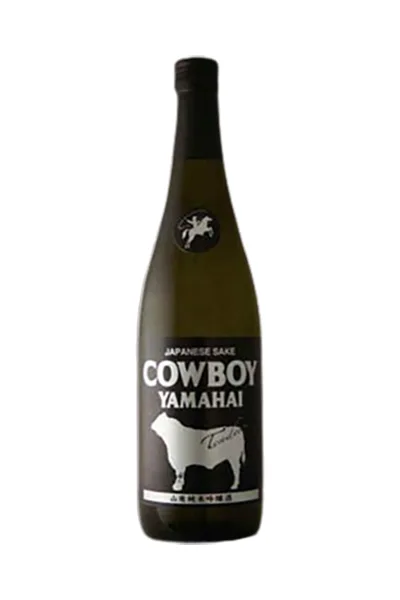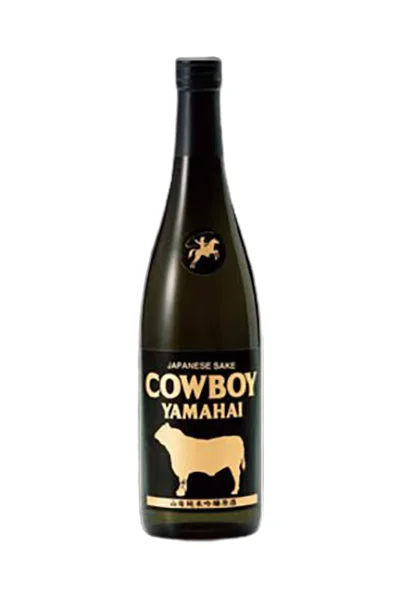
Cowboy Yamahai Junmai Ginjo Genshu
Cowboy Yamahai 山廃 純米吟醸 原酒Junmai ginjo, yamahai starter, undiluted (genshu)
Cowboy Yamahai — Shiokawa Shuzo, Niigata
A sake made for meat dishes
Specifications
- Type
- Junmai Ginjo
- Rice
- Not disclosed
- Yeast
- Not disclosed
- Alcohol
- 18–19%
- Sake meter value
- +3.6dry
- Acidity
- 2
How to read these
- Type
- The grade printed on the label. It depends on the ingredients (rice only, or with a little distilled alcohol) and on how far the rice is polished. More
- Rice
- The rice variety. Most premium sake uses varieties grown for brewing, such as Yamada Nishiki. More
- Yeast
- The yeast strain, which shapes the aroma. More
- Alcohol
- Alcohol by volume. Most sake is 15–16%; undiluted (genshu) sake is often 17–18%. More
- Sake meter value
- A sweet-to-dry scale. Plus is drier, minus is sweeter. Acidity changes how it tastes, so treat it as a rough guide. More
- Acidity
- Total acid. Higher tends to taste fuller and drier; lower tastes lighter and sweeter. More
Flavor profile Full & complex
Full & complex — aromatic and full-bodied, including aged sake. Known in Japan as juku-shu (熟酒).
The text describes a fruity, floral aroma typical of junmai ginjo, while yamahai acidity (2.0), umami and 18-19% genshu strength add body and richness. An SMV of +3.6 and the dry description keep sweetness low, placing it in the aromatic, full-bodied juku quadrant.
Estimated by AI from the published specifications and the brewery's description; your impression may differ.
About
A new sake that pairs with steak, a symbol of the American spirit, has been released. Its name is Kauboi Yamahai. Why does Kauboi Yamahai go so well with meat? The first reason is its generous, pronounced acidity, which is rare in sake until now. The firm acidity that comes from yamahai brewing (a traditional yeast-starter method), together with a somewhat higher alcohol content, cleanly washes away the fat of the meat. The second reason is umami. The soft, clean umami that comes from yamahai harmonizes well with the richness of steak. It has a bright, fruity aroma, yet it is dry and crisp, and that dryness keeps it from becoming tiresome to drink. For the summer heat, chilled or on the rocks is recommended for Kauboi Yamahai, a Junmai Ginjo Genshu made with yamahai.
Other sake from this brand 1
- Cowboy Yamahai Tender Yamahai Junmai GinjoCowboy Yamahai Tender 山廃 純米吟醸