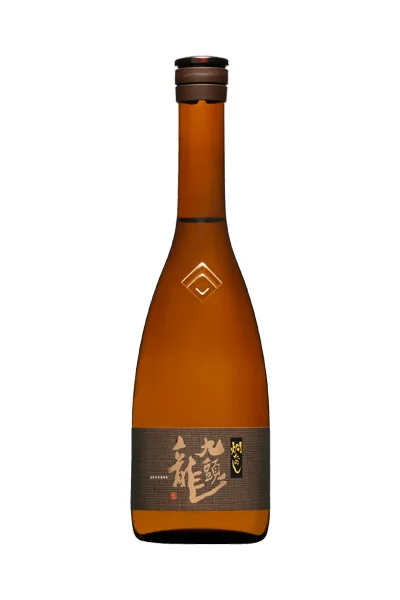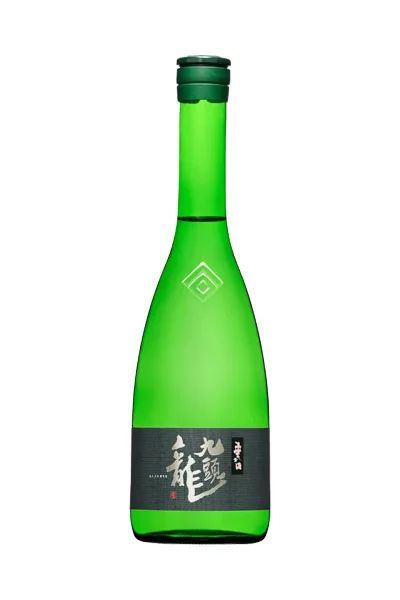
Kuzuryu Tarekuchi
九頭⿓ 垂れ⼝Honjozo, Gohyakumangoku rice polished to 65%
Kuzuryu — Kokuryu Shuzo, Fukui
Drawn fresh from the press spout in a chilled brewery, this lightly cloudy new sake is bottled raw.
Specifications
- Type
- Honjozo
- Rice
- Gohyakumangoku
- Rice polishing ratio
- 65%35% of each grain polished away
- Yeast
- Not disclosed
- Alcohol
- 15%
- Sake meter value
- -5.5sweet
How to read these
- Type
- The grade printed on the label. It depends on the ingredients (rice only, or with a little distilled alcohol) and on how far the rice is polished. More
- Rice
- The rice variety. Most premium sake uses varieties grown for brewing, such as Yamada Nishiki. More
- Rice polishing ratio
- How much of each grain is left after polishing. A lower number means more was milled away, which usually gives a lighter, more aromatic sake. More
- Yeast
- The yeast strain, which shapes the aroma. More
- Alcohol
- Alcohol by volume. Most sake is 15–16%; undiluted (genshu) sake is often 17–18%. More
- Sake meter value
- A sweet-to-dry scale. Plus is drier, minus is sweeter. Acidity changes how it tastes, so treat it as a rough guide. More
Flavor profile Aromatic & light
Aromatic & light — fruity, floral aroma with a light body. Known in Japan as kun-shu (薫酒).
An SMV of -5.5 and the description of rich sweetness point to a sweet profile. Green apple, muscat and rose aromas make it fruity and floral, while the viscous unpasteurized nigori adds moderate richness at a light 15% alcohol, placing it in the kun style.
Estimated by AI from the published specifications and the brewery's description; your impression may differ.
About
Sweet, fresh flavors are the defining feature of this sake. Tasting notes Slightly hazy, with a pale, overall silvery color. The fresh aroma combines fruit notes of green apple, sweetie citrus, and muscat with the scent of pine needles, along with white plum, gardenia, and even rose petals. Layered over these are creamy notes of cappuccino foam, pancakes and baking powder, yuba (tofu skin), and cashew. On the palate, the rich sweetness arrives strongly. Because this sweetness concentrates from the front to the middle of the palate, the finish that follows is pleasantly tightened. Rich viscosity and a smooth, watery component that can be sensed on the palate create a comfortable balance in the mouth, and the contrasting tastes make the flavors more appealing. A pleasant sweetness lingers in the aftertaste, and the freshness of the aroma returns. Food pairings To pair with Tarekuchi's sweetness, we chose dishes with a touch of bitterness. For Japanese cuisine, we selected tazukuri (candied dried sardines), a hot pot of white leek, and ankimo (monkfish liver). For cheese, we chose Mont d'Or. Also a Chinese-style cream stew of Chinese cabbage and scallops.
Other sake from this brand 7
- Kuzuryu Ippin九頭龍 逸品
- Kuzuryu Daiginjo九頭龍 大吟醸
- Kokuryu Natsu Shibori黒龍 夏しぼり
- Kuzuryu Junmai九頭龍 純米
- Kuzuryu Kan Tanoshi九頭⿓ 燗たのし
- Kuzuryu Junmai九頭⿓ 純⽶
- Kuzuryu Kori Yashi Zake九頭龍 氷やし酒