

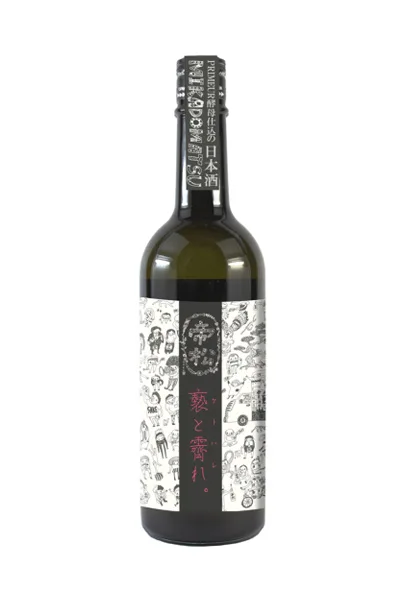
Mikadomatsu Wine Yeast Shikomi Ke to Hare
帝松 ワイン酵母仕込 褻と霽れJunmai ginjo, rice polished to 60%, wine yeast brew
Mikadomatsu — Matsuoka Jozo, Saitama
Japan's first junmai ginjo sake brewed with a primeur wine yeast.
Specifications
- Type
- Junmai Ginjo
- Rice
- Not disclosed
- Rice polishing ratio
- 60%40% of each grain polished away
- Yeast
- Not disclosed
- Alcohol
- 16%
- Sake meter value
- -8very sweet
- Acidity
- 3
How to read these
- Type
- The grade printed on the label. It depends on the ingredients (rice only, or with a little distilled alcohol) and on how far the rice is polished. More
- Rice
- The rice variety. Most premium sake uses varieties grown for brewing, such as Yamada Nishiki. More
- Rice polishing ratio
- How much of each grain is left after polishing. A lower number means more was milled away, which usually gives a lighter, more aromatic sake. More
- Yeast
- The yeast strain, which shapes the aroma. More
- Alcohol
- Alcohol by volume. Most sake is 15–16%; undiluted (genshu) sake is often 17–18%. More
- Sake meter value
- A sweet-to-dry scale. Plus is drier, minus is sweeter. Acidity changes how it tastes, so treat it as a rough guide. More
- Acidity
- Total acid. Higher tends to taste fuller and drier; lower tastes lighter and sweeter. More
Flavor profile Full & complex
Full & complex — aromatic and full-bodied, including aged sake. Known in Japan as juku-shu (熟酒).
The banana-like fruity aroma from the junmai ginjo style and a sweet SMV of -8 point to high aroma and clear sweetness. The red-wine-like astringency and acidity of 3.0 add weight, while the crisp finish keeps the body moderately rich.
Estimated by AI from the published specifications and the brewery's description; your impression may differ.
About
Please note: this is completely different from the white-wine-style sake made with wine yeast. If anything, its taste is closer to red wine, and its aroma is closer to Weizen beer. The aroma is a vivid, fruity fragrance reminiscent of banana. It has an astringency like the tannins of red wine, yet the finish is crisp and refreshing with the clean finish typical of sake. It is sweet but not cloying, and the aftertaste lingers. It is a new kind of drink that makes you want to pair it with cheese and other foods, and it does not fit any sake category to date. We invite you to experience this entirely new yet easy-drinking flavor. ★ The name Ke to Hare (ケトハレ) The name comes from the Japanese words hare (霽れ) and ke (褻). Hare denotes special occasions, such as hare no hi (days of celebration), while ke denotes everyday life. By deliberately reversing the usual order of hare and ke, we hope to bring sake into everyday life in a more casual way. Illustration: Onaka Yasuhiro