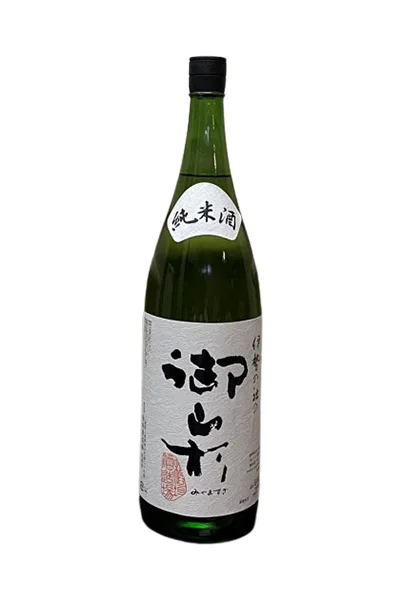
Miyamasugi Junmai Shu
御山杉 純米酒Junmai, rice polished to 65%
Miyamasugi — Inagaki Shuzojo, Mie
A mellow junmai sake, recommended with good food.
Specifications
- Type
- Junmai Shu
- Rice
- Not disclosed
- Rice polishing ratio
- 65%35% of each grain polished away
- Yeast
- Not disclosed
- Alcohol
- 15–16%
How to read these
- Type
- The grade printed on the label. It depends on the ingredients (rice only, or with a little distilled alcohol) and on how far the rice is polished. More
- Rice
- The rice variety. Most premium sake uses varieties grown for brewing, such as Yamada Nishiki. More
- Rice polishing ratio
- How much of each grain is left after polishing. A lower number means more was milled away, which usually gives a lighter, more aromatic sake. More
- Yeast
- The yeast strain, which shapes the aroma. More
- Alcohol
- Alcohol by volume. Most sake is 15–16%; undiluted (genshu) sake is often 17–18%. More
Flavor profile Rich & umami
Rich & umami — rice-driven umami and a fuller body. Known in Japan as jun-shu (醇酒).
The 65% polished junmai is described as mellow, with a light, smooth finish and deep aged flavor, which points to restrained aroma and moderate body. The clean fermentation and warming potential suggest a gently sweet, rounded profile, placing it in the jun quadrant.
Estimated by AI from the published specifications and the brewery's description; your impression may differ.
About
Miyamasugi Junmai Shu is a junmai sake that has been aged for a long time. Because describing it as koshu (aged sake) would suggest hine-ka (an aged, stale aroma) and an old-sake character, we have chosen not to label it that way. The junmai was also fermented to completion, so it has few off-flavors and seems to need little activated charcoal treatment. When you drink it, it is light and smooth on the palate, with a depth of flavor that hardly seems like an aged sake. When lightly warmed, the flavor opens up, and it goes well with almost any dish.
Other sake from this brand 1
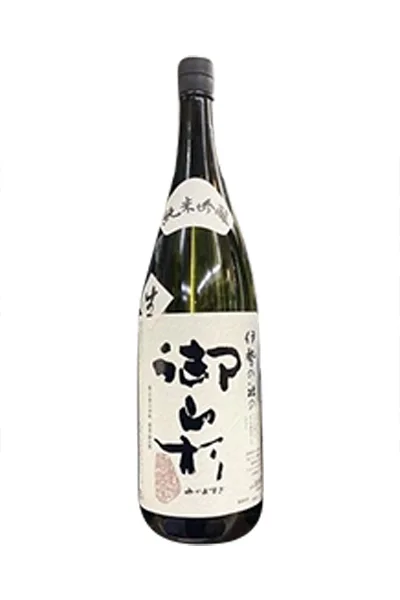
- Miyamasugi Junmai Ginjo Namazake御山杉 純米吟醸 生酒