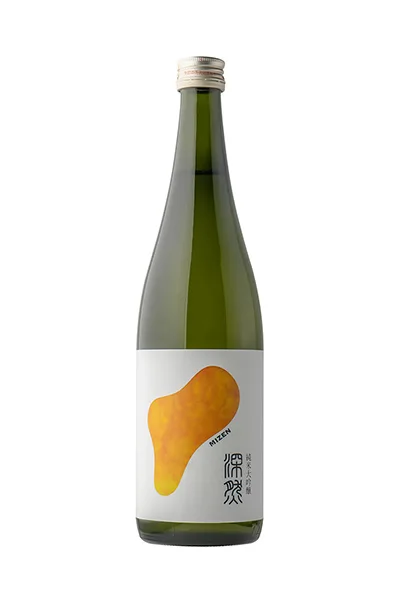
Mizen Junmai Daiginjo
深然 -MIZEN- 純米大吟醸Junmai daiginjo, Gohyakumangoku rice polished to 50%
Mizen — Naeba Shuzo, Niigata
Fruity aromas and graceful sweetness in harmony, with a clean, crisp finish.
Specifications
- Type
- Junmai Daiginjo
- Rice
- Gohyakumangoku
- Rice polishing ratio
- 50%50% of each grain polished away
- Yeast
- Not disclosed
- Alcohol
- 14%
How to read these
- Type
- The grade printed on the label. It depends on the ingredients (rice only, or with a little distilled alcohol) and on how far the rice is polished. More
- Rice
- The rice variety. Most premium sake uses varieties grown for brewing, such as Yamada Nishiki. More
- Rice polishing ratio
- How much of each grain is left after polishing. A lower number means more was milled away, which usually gives a lighter, more aromatic sake. More
- Yeast
- The yeast strain, which shapes the aroma. More
- Alcohol
- Alcohol by volume. Most sake is 15–16%; undiluted (genshu) sake is often 17–18%. More
Flavor profile Aromatic & light
Aromatic & light — fruity, floral aroma with a light body. Known in Japan as kun-shu (薫酒).
The description of pear, white peach and acacia aromas, together with a 50% polishing ratio typical of junmai daiginjo, points to an aromatic profile. The lighter body, gentle acidity and mellow sweetness suggest a slightly sweet, light-bodied style.
Estimated by AI from the published specifications and the brewery's description; your impression may differ.
About
The appearance is clear and pale, with a crystal-like transparency and a slight yellow tint. The first impression of the aroma is youthful and vivid, with notes of Western pear, white peach, and acacia blossom. There are also aromas of steamed rice and freshly pounded mochi, along with a slight limestone-like mineral scent. The palate is somewhat light, with a mellow, full sweetness. The acidity is gentle and not especially assertive. The finish is rather short but clean. It pairs well with delicate white-fleshed sashimi and vinegar-cured blue-skinned fish, and is recommended at around 12 to 15 degrees Celsius.
Other sake from this brand 1
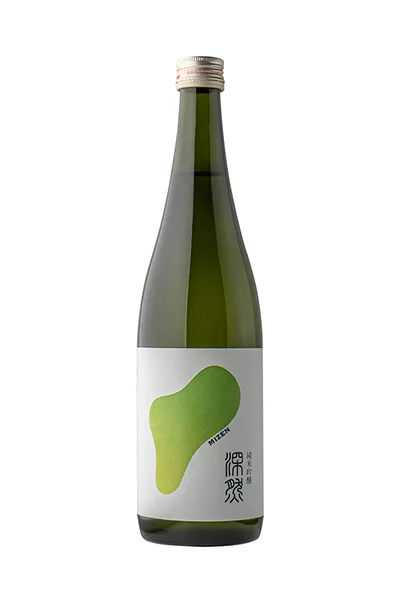
- Mizen Junmai Ginjo深然 -MIZEN- 純米吟醸