

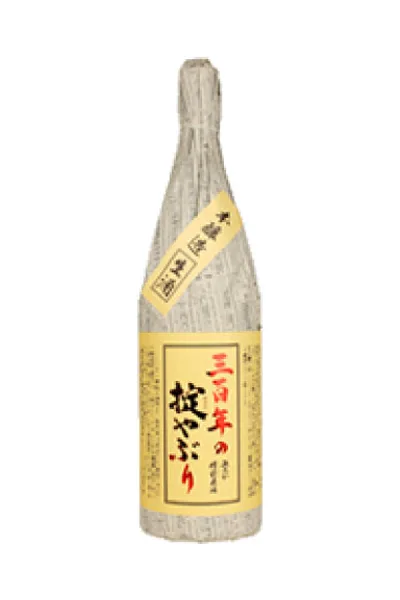
Sambyakunen no Kiteyaburi Honjozo
三百年の掟やぶり 本醸造Honjozo, rice polished to 65%
Sanbyakunen no Okite Yaburi — Kotobuki Toraya, Yamagata
Rich koji depth and umami, with a faint effervescence. A bold, memorable flavor.
Specifications
- Type
- Honjozo
- Rice
- Not disclosed
- Rice polishing ratio
- 65%35% of each grain polished away
- Yeast
- Not disclosed
- Alcohol
- 19%
- Sake meter value
- +10very dry
- Acidity
- 1.7
How to read these
- Type
- The grade printed on the label. It depends on the ingredients (rice only, or with a little distilled alcohol) and on how far the rice is polished. More
- Rice
- The rice variety. Most premium sake uses varieties grown for brewing, such as Yamada Nishiki. More
- Rice polishing ratio
- How much of each grain is left after polishing. A lower number means more was milled away, which usually gives a lighter, more aromatic sake. More
- Yeast
- The yeast strain, which shapes the aroma. More
- Alcohol
- Alcohol by volume. Most sake is 15–16%; undiluted (genshu) sake is often 17–18%. More
- Sake meter value
- A sweet-to-dry scale. Plus is drier, minus is sweeter. Acidity changes how it tastes, so treat it as a rough guide. More
- Acidity
- Total acid. Higher tends to taste fuller and drier; lower tastes lighter and sweeter. More
Flavor profile Rich & umami
Rich & umami — rice-driven umami and a fuller body. Known in Japan as jun-shu (醇酒).
An SMV of +10 and acidity of 1.7 with 19% alcohol and unfiltered nama texture, plus a description stressing koji richness and umami, point to restrained aroma and a full body. The sweetness is dry on paper but reads softer because of the umami.
Estimated by AI from the published specifications and the brewery's description; your impression may differ.
About
Kotobukitoraya Shuzo had a house rule for its 300 years of history: never ship sake that has not been filtered. However, believing that this freshly pressed, completely untouched sake was too good not to share with more customers, the brewery broke this 300-year-old rule and decided to release it unfiltered. The name of the sake comes from this decision. At 19.6% alcohol, this sake is classified as dry (karakuchi), but on first sip the large amount of umami components gives an impression of a gently sweet sake. Enjoy the body of an unfiltered genshu at 19.5 degrees alcohol, along with the fresh character of honnama (unpasteurized) and the rich umami of Dewa Sanzan rice. This honjozo namazake is our top pick in the Sambyakunen no Kiteyaburi series.