

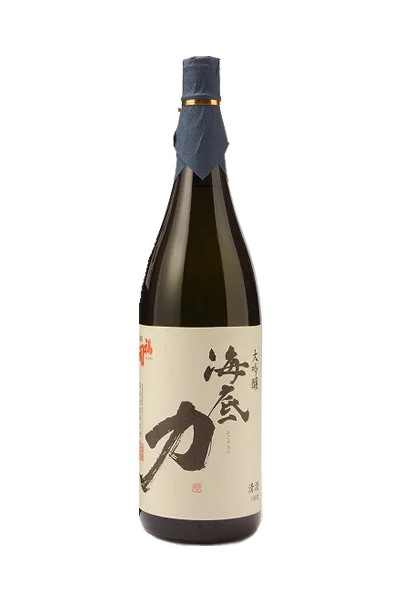
Sokojikara Daiginjo
海底力 大吟醸Daiginjo, Kitashizuku rice polished to 50%
Sokojikara — Fukutsukasa Shuzo, Hokkaido
A gentle ginjo aroma and rich, slightly sweet flavor, matured in the tunnels of an undersea coal mine
Specifications
- Type
- Daiginjo
- Rice
- Kitashizuku
- Rice polishing ratio
- 50%50% of each grain polished away
- Yeast
- Not disclosed
- Alcohol
- 15%
- Sake meter value
- +2slightly dry
- Acidity
- 1.3
How to read these
- Type
- The grade printed on the label. It depends on the ingredients (rice only, or with a little distilled alcohol) and on how far the rice is polished. More
- Rice
- The rice variety. Most premium sake uses varieties grown for brewing, such as Yamada Nishiki. More
- Rice polishing ratio
- How much of each grain is left after polishing. A lower number means more was milled away, which usually gives a lighter, more aromatic sake. More
- Yeast
- The yeast strain, which shapes the aroma. More
- Alcohol
- Alcohol by volume. Most sake is 15–16%; undiluted (genshu) sake is often 17–18%. More
- Sake meter value
- A sweet-to-dry scale. Plus is drier, minus is sweeter. Acidity changes how it tastes, so treat it as a rough guide. More
- Acidity
- Total acid. Higher tends to taste fuller and drier; lower tastes lighter and sweeter. More
Flavor profile Full & complex
Full & complex — aromatic and full-bodied, including aged sake. Known in Japan as juku-shu (熟酒).
The 50% polishing daiginjo points to a gentle ginjo aroma, and the low acidity (1.3) with SMV +2 plus the description's mellow, slightly sweet, full-flavored character suggest a rounded, moderately sweet and fairly rich profile.
Estimated by AI from the published specifications and the brewery's description; your impression may differ.
About
Marking the 10th anniversary of the brand, this is the second release from a new initiative to research aged storage using new sake rice grown in Hokkaido. The sake was matured in the tunnels of an undersea coal mine extending out beneath the Pacific Ocean. Storing it in an environment shielded from ultraviolet light gives it a soft, mellow finish. Matured in the tunnels of an undersea coal mine, it offers a gentle ginjo aroma (a fruity, floral aroma characteristic of ginjo-style sake) and a rich, slightly sweet flavor.