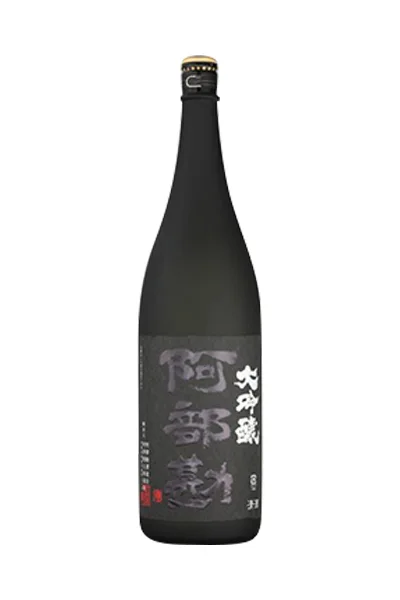
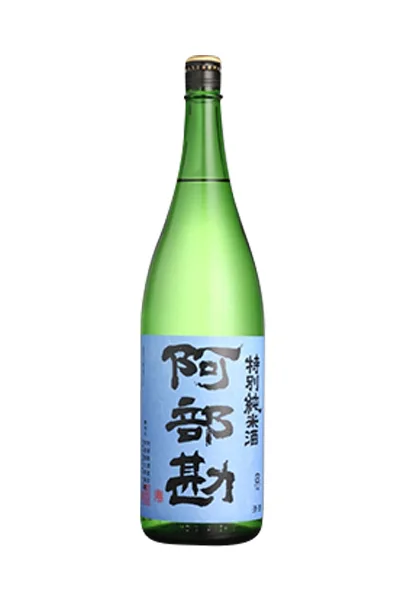
Shiogama Abekan Suicho
塩竈 阿部勘 翠潮Junmai, rice polished to 70%, pasteurized once
Shiogama Abekan — Abekan Shuzoten, Miyagi
Specifications
- Rice
- 宮城県産米
- Rice polishing ratio
- 70%30% of each grain polished away
- Alcohol
- 15%
- Sake meter value
- +4dry
- Acidity
- 1.9
- Volume
- 720 ml, 1800 ml
How to read these
- Rice
- The rice variety. Most premium sake uses varieties grown for brewing, such as Yamada Nishiki. More
- Rice polishing ratio
- How much of each grain is left after polishing. A lower number means more was milled away, which usually gives a lighter, more aromatic sake. More
- Alcohol
- Alcohol by volume. Most sake is 15–16%; undiluted (genshu) sake is often 17–18%. More
- Sake meter value
- A sweet-to-dry scale. Plus is drier, minus is sweeter. Acidity changes how it tastes, so treat it as a rough guide. More
- Acidity
- Total acid. Higher tends to taste fuller and drier; lower tastes lighter and sweeter. More
Flavor profile Rich & umami
Rich & umami — rice-driven umami and a fuller body. Known in Japan as jun-shu (醇酒).
The description of a calm aroma, umami and a sharp finish, together with 70% polishing, acidity 1.9 and SMV +4, points to a restrained, savory, slightly dry food sake with moderate body.
Estimated by AI from the published specifications and the brewery's description; your impression may differ.
About
One of the four core sakes of Shiogama Abekan, and the one the brewery calls its starting point: a food sake built on a gentle aroma and savory umami, with a sharp, clean finish that suits simply prepared seafood. Retailers list it as the successor to the former Tokubetsu Junmai and Junmai Karakuchi in the 2026 relaunch. Because the label does not state a polishing ratio, it is labeled as a rice-only sake without a special designation.
Other sake from this brand 25
- Abekan A阿部勘「阿」
- Shiogama Abekan Aki no Shio塩竈 阿部勘 秋の潮
- Shiogama Abekan Ogonshio塩竈 阿部勘 黄金潮
- Shiogama Abekan Gencho塩竈 阿部勘 玄潮
- Shiogama Abekan Tocho塩竈 阿部勘 橙潮
- Shiogama Abekan Natsu no Shio塩竈 阿部勘 夏の潮
- Shiogama Abekan Hakuginshio塩竈 阿部勘 白銀潮
- Shiogama Abekan Haru no Shio塩竈 阿部勘 春の潮
- Shiogama Abekan Hikari no Shio Omachi塩竈 阿部勘 光の潮 雄町
- Shiogama MEBACHI Junmai Ginjo塩竈 MEBACHI 純米吟醸酒
- Abekan Daiginjo阿部勘 大吟醸
- Abekan Tokubetsu Junmai阿部勘 特別純米酒