Shiogama Abekan Hikari no Shio Omachi
塩竈 阿部勘 光の潮 雄町Junmai ginjo, Omachi rice polished to 55%
Shiogama Abekan — Abekan Shuzoten, Miyagi
Specifications
- Type
- Junmai Ginjo
- Rice
- Omachi
- Rice polishing ratio
- 55%45% of each grain polished away
- Alcohol
- 15%
- Volume
- 720 ml, 1800 ml
How to read these
- Type
- The grade printed on the label. It depends on the ingredients (rice only, or with a little distilled alcohol) and on how far the rice is polished. More
- Rice
- The rice variety. Most premium sake uses varieties grown for brewing, such as Yamada Nishiki. More
- Rice polishing ratio
- How much of each grain is left after polishing. A lower number means more was milled away, which usually gives a lighter, more aromatic sake. More
- Alcohol
- Alcohol by volume. Most sake is 15–16%; undiluted (genshu) sake is often 17–18%. More
Flavor profile Full & complex
Full & complex — aromatic and full-bodied, including aged sake. Known in Japan as juku-shu (熟酒).
Junmai ginjo at 55% polish with apple and muscat-like ginjo aromas points to a clearly aromatic profile. Omachi's pronounced umami gives a fuller, slightly rich body, placing it at the edge of the aromatic-rich side.
Estimated by AI from the published specifications and the brewery's description; your impression may differ.
About
The first release of Hikari no Shio, Shiogama Abekan's challenge series that shines a light on sake rice the brewery does not usually use; this one is brewed with Omachi from Okayama. Retailers describe apple- and muscat-like ginjo aromas and Omachi's bold yet smooth umami, a match for rich seafood such as tuna. A small-batch limited release.
Other sake from this brand 25
- Abekan A阿部勘「阿」
- Shiogama Abekan Aki no Shio塩竈 阿部勘 秋の潮
- Shiogama Abekan Ogonshio塩竈 阿部勘 黄金潮
- Shiogama Abekan Gencho塩竈 阿部勘 玄潮
- Shiogama Abekan Suicho塩竈 阿部勘 翠潮
- Shiogama Abekan Tocho塩竈 阿部勘 橙潮
- Shiogama Abekan Natsu no Shio塩竈 阿部勘 夏の潮
- Shiogama Abekan Hakuginshio塩竈 阿部勘 白銀潮
- Shiogama Abekan Haru no Shio塩竈 阿部勘 春の潮
- Shiogama MEBACHI Junmai Ginjo塩竈 MEBACHI 純米吟醸酒
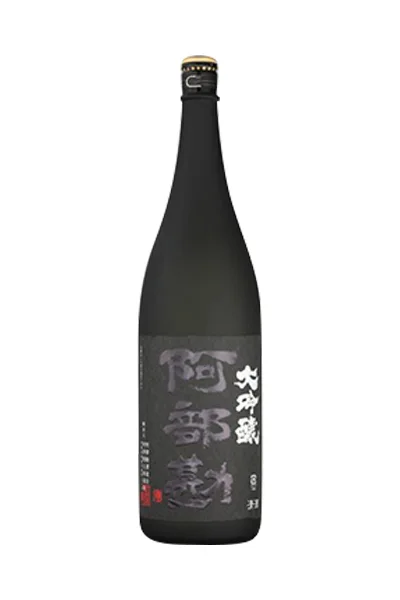
- Abekan Daiginjo阿部勘 大吟醸
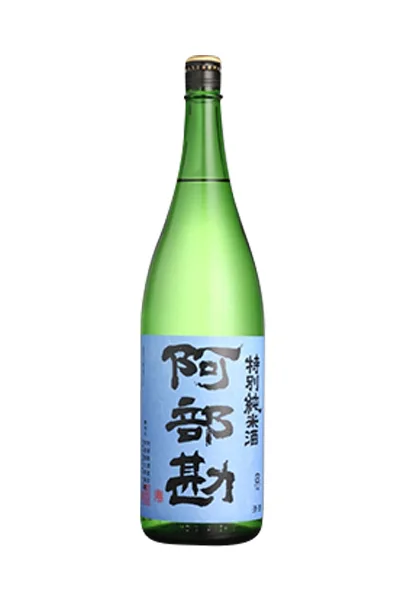
- Abekan Tokubetsu Junmai阿部勘 特別純米酒