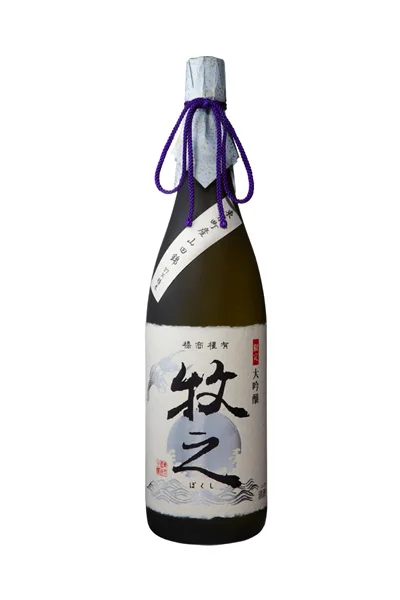
Bokushi Daiginjo
牧之 大吟醸Daiginjo, Yamada Nishiki rice polished to 37%
Bokushi — Aoki Shuzo, Niigata
A fragrant ginjo bouquet with a fruity, lively flavor
Specifications
- Type
- Daiginjo
- Rice
- Yamada Nishiki
- Rice polishing ratio
- 37%63% of each grain polished away
- Yeast
- Not disclosed
- Alcohol
- 17–18%
- Sake meter value
- +2slightly dry
- Acidity
- 1.4
How to read these
- Type
- The grade printed on the label. It depends on the ingredients (rice only, or with a little distilled alcohol) and on how far the rice is polished. More
- Rice
- The rice variety. Most premium sake uses varieties grown for brewing, such as Yamada Nishiki. More
- Rice polishing ratio
- How much of each grain is left after polishing. A lower number means more was milled away, which usually gives a lighter, more aromatic sake. More
- Yeast
- The yeast strain, which shapes the aroma. More
- Alcohol
- Alcohol by volume. Most sake is 15–16%; undiluted (genshu) sake is often 17–18%. More
- Sake meter value
- A sweet-to-dry scale. Plus is drier, minus is sweeter. Acidity changes how it tastes, so treat it as a rough guide. More
- Acidity
- Total acid. Higher tends to taste fuller and drier; lower tastes lighter and sweeter. More
Flavor profile Aromatic & light
Aromatic & light — fruity, floral aroma with a light body. Known in Japan as kun-shu (薫酒).
The 37% polish daiginjo is described as having a vivid ginjo aroma and fruity flavor. SMV +2 with acidity 1.4 points to a light, gently sweet profile where aroma leads, placing it in the kun quadrant.
Estimated by AI from the published specifications and the brewery's description; your impression may differ.
About
[Autumn release] This limited product is sold once a year, in autumn. Bokushi is brewed in the bitter cold of winter at the brewery, using abundant famed spring water, carefully selected sake rice, and the skill of Echigo toji (master brewers). It is a daiginjo entered each year in the brewing competition (kanpyokai, sake competition). Only the top grades of rice (tokujo and tokuto) from the Special A district of Hyogo Prefecture are used, a region said to produce Japan's finest Yamada Nishiki. Enjoy its floral ginjo aroma and fruity flavor.
Other sake from this brand 1
- Bokushi Daiginjo Namazume Genshu牧之 大吟醸 生詰 原酒