

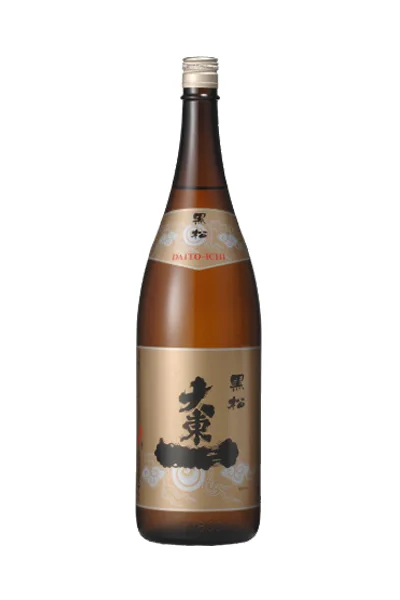
Kuromatsu Daitoichi
黒松 大東一Futsushu (table sake), Gohyakumangoku rice polished to 68%
Daitoichi — Tabata Shuzo, Wakayama
A harmonious taste that leans neither sweet nor dry
Specifications
- Type
- Futsushu
- Rice
- Gohyakumangoku
- Rice polishing ratio
- 68%32% of each grain polished away
- Yeast
- Not disclosed
- Alcohol
- 15–16%
- Sake meter value
- +1medium
- Acidity
- 1.4
How to read these
- Type
- The grade printed on the label. It depends on the ingredients (rice only, or with a little distilled alcohol) and on how far the rice is polished. More
- Rice
- The rice variety. Most premium sake uses varieties grown for brewing, such as Yamada Nishiki. More
- Rice polishing ratio
- How much of each grain is left after polishing. A lower number means more was milled away, which usually gives a lighter, more aromatic sake. More
- Yeast
- The yeast strain, which shapes the aroma. More
- Alcohol
- Alcohol by volume. Most sake is 15–16%; undiluted (genshu) sake is often 17–18%. More
- Sake meter value
- A sweet-to-dry scale. Plus is drier, minus is sweeter. Acidity changes how it tastes, so treat it as a rough guide. More
- Acidity
- Total acid. Higher tends to taste fuller and drier; lower tastes lighter and sweeter. More
Flavor profile Rich & umami
Rich & umami — rice-driven umami and a fuller body. Known in Japan as jun-shu (醇酒).
A 68% polished futsushu whose description cites rich koku and depth points to restrained aroma and a fuller body. SMV +1 and the medium-bodied (chukuchi) label place sweetness near the middle.
Estimated by AI from the published specifications and the brewery's description; your impression may differ.
About
The mother sake of "Rashomon". Enjoy its rich body and deep flavor. In Wakayama, it has long been popular as an everyday evening drink and is widely served in restaurants, making it a representative futsushu (ordinary sake) of the prefecture. Ingredients: rice, rice koji, brewing alcohol Rice polishing ratio: 68% Alcohol content: 15 to 16% Taste profile: Medium-sweet (chukuchi) Recommended serving: Chilled (○), room temperature (◎), warmed (kan) (◎) Note: The sake specifications above are representative values and may vary by production lot.