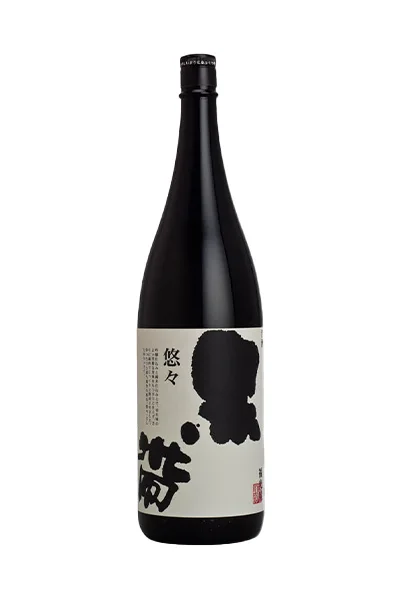
Kurobi Yuyu
黒帯 悠々Tokubetsu junmai, rice polished to 68%
Kurobi — Fukumitsuya, Ishikawa
Dignified and unhurried, a sake favored by fine Japanese restaurants
Specifications
- Type
- Tokubetsu Junmai
- Rice
- Not disclosed
- Rice polishing ratio
- 68%32% of each grain polished away
- Yeast
- Not disclosed
- Alcohol
- 15%
- Sake meter value
- +6very dry
- Acidity
- 1.6
How to read these
- Type
- The grade printed on the label. It depends on the ingredients (rice only, or with a little distilled alcohol) and on how far the rice is polished. More
- Rice
- The rice variety. Most premium sake uses varieties grown for brewing, such as Yamada Nishiki. More
- Rice polishing ratio
- How much of each grain is left after polishing. A lower number means more was milled away, which usually gives a lighter, more aromatic sake. More
- Yeast
- The yeast strain, which shapes the aroma. More
- Alcohol
- Alcohol by volume. Most sake is 15–16%; undiluted (genshu) sake is often 17–18%. More
- Sake meter value
- A sweet-to-dry scale. Plus is drier, minus is sweeter. Acidity changes how it tastes, so treat it as a rough guide. More
- Acidity
- Total acid. Higher tends to taste fuller and drier; lower tastes lighter and sweeter. More
Flavor profile Rich & umami
Rich & umami — rice-driven umami and a fuller body. Known in Japan as jun-shu (醇酒).
A 68% polishing ratio, SMV +6 and acidity 1.6 point to a dry, rice-umami profile, and the description's rich umami and sharp finish support a restrained aroma with a fuller body. Sweetness is low.
Estimated by AI from the published specifications and the brewery's description; your impression may differ.
About
Brewed with both ginjo and junmai techniques, this dry sake has a clean finish and a rich, mellow umami. It is further matured slowly at the brewery, giving it a relaxed, settled character that fits its name, Yuyu (unhurried, leisurely). As the original sake of the Kurobi line and its most standard offering, it has been refined by the palates of food professionals, mainly at restaurants in Kanazawa, since its release in 1976 (Showa 51). Though dry, it does not feel sharp on the palate. When warmed (kan), it softens and shows its character even more. It pairs exceptionally well with fish dishes such as sashimi and sushi.
Other sake from this brand 3
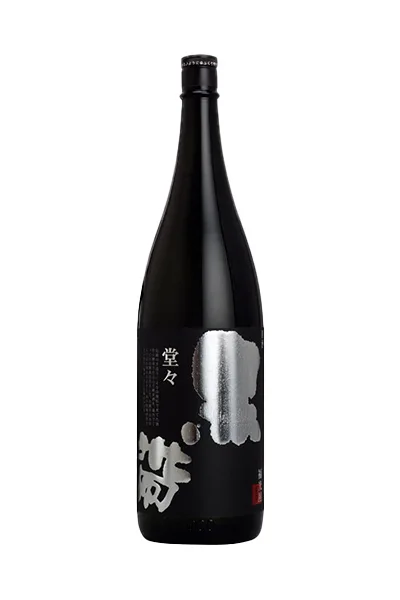
- Kurobi Dodo黒帯 堂々
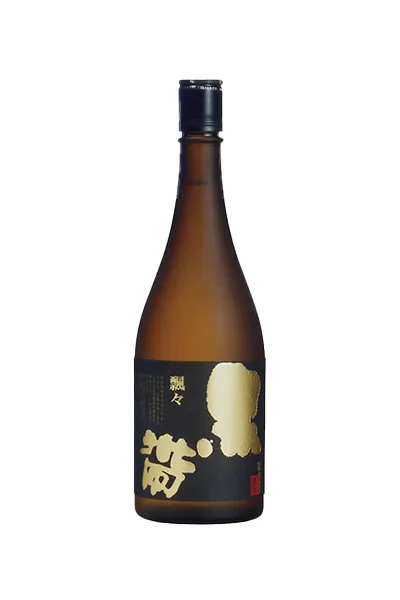
- Kurobi Hyohyo黒帯 飄々
- Kurobi Kurauchi Gonen Jukusei Hizo Jukukara黒帯 蔵内五年熟成 秘蔵熟辛