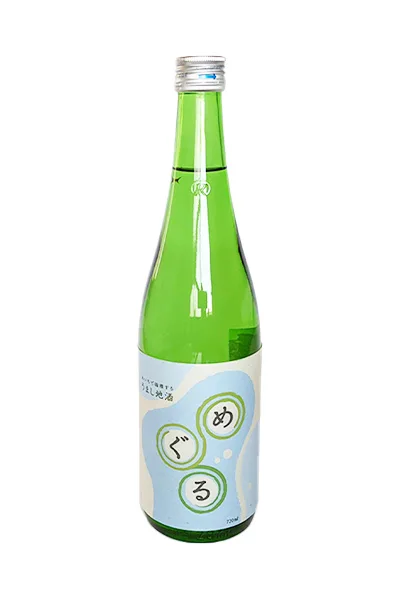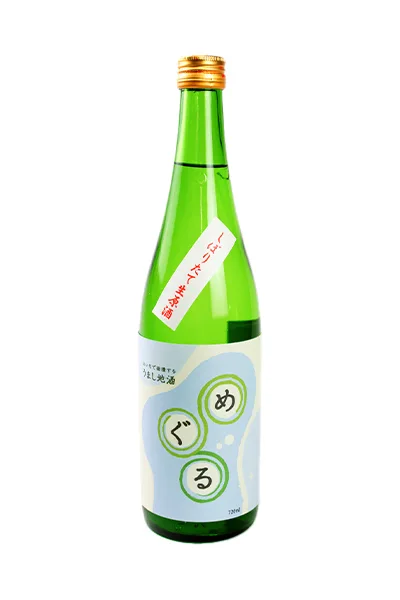
Meguru Junmai sake Shiboritate Nama Genshu
めぐる 純米酒 しぼりたて生原酒Junmai, rice polished to 65%, freshly pressed new sake (shiboritate), unpasteurized and undiluted (nama genshu)
Meguru — Mizutani Shuzo, Aichi
A junmai sake that circles Aichi toward a recycling-based society
Specifications
- Type
- Junmai Shu
- Rice
- Not disclosed
- Rice polishing ratio
- 65%35% of each grain polished away
- Yeast
- Not disclosed
- Alcohol
- 18%
- Sake meter value
- +7very dry
- Acidity
- 1.8
How to read these
- Type
- The grade printed on the label. It depends on the ingredients (rice only, or with a little distilled alcohol) and on how far the rice is polished. More
- Rice
- The rice variety. Most premium sake uses varieties grown for brewing, such as Yamada Nishiki. More
- Rice polishing ratio
- How much of each grain is left after polishing. A lower number means more was milled away, which usually gives a lighter, more aromatic sake. More
- Yeast
- The yeast strain, which shapes the aroma. More
- Alcohol
- Alcohol by volume. Most sake is 15–16%; undiluted (genshu) sake is often 17–18%. More
- Sake meter value
- A sweet-to-dry scale. Plus is drier, minus is sweeter. Acidity changes how it tastes, so treat it as a rough guide. More
- Acidity
- Total acid. Higher tends to taste fuller and drier; lower tastes lighter and sweeter. More
Flavor profile Clean & dry
Clean & dry — restrained aroma, crisp and refreshing. Known in Japan as so-shu (爽酒).
The description's 淡麗辛口 and sharp, dry palate, together with SMV +7 and acidity 1.8, point to a restrained, crisp, dry profile. The 18% genshu and nama character add some weight, while the fresh aroma stays modest.
Estimated by AI from the published specifications and the brewery's description; your impression may differ.
About
This junmai sake is made with Aichi-grown rice, cultivated using compost made from food waste generated in Nagoya, and is bottled in reusable bottles marked with an "R" symbol. After enjoying the sake, customers can return the empty bottle to collection points in areas that run bottle reuse programs, or to liquor shops that collect bottles. The bottles are washed and reused. The sake is born only when producers, sellers, drinkers, and returners form one circle together. It is a Meguru Aichi ("circulating Aichi") sake aimed at a recycling-oriented society. Flavor Designed as a Tanrei (light and clean), dry sake that can be enjoyed chilled or warmed (kan) without ever becoming tiresome. It has the refreshing, sweet aroma characteristic of new sake, a smooth and crisp mouthfeel with moderate acidity, and a clean finish (kire) that comes together neatly. It is a versatile food sake that cleanses the palate at the end of a meal.
Other sake from this brand 1
- Meguru Junmai sakeめぐる 純米酒