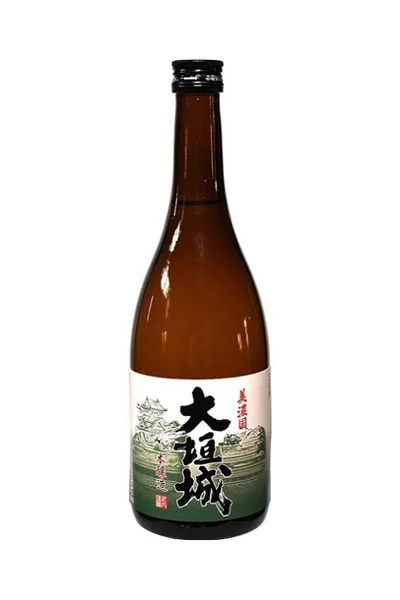
Ogakijo Honjozo
大垣城 本醸造酒Honjozo, Asahi no Yume rice polished to 60%
Ogakijo — Takeuchi Shuzo, Gifu
Crisp and slightly dry when served chilled, full and rich when warmed
Specifications
- Type
- Honjozo
- Rice
- Asahi no Yume
- Rice polishing ratio
- 60%40% of each grain polished away
- Yeast
- Not disclosed
- Alcohol
- 15–16%
- Sake meter value
- +1.5slightly dry
How to read these
- Type
- The grade printed on the label. It depends on the ingredients (rice only, or with a little distilled alcohol) and on how far the rice is polished. More
- Rice
- The rice variety. Most premium sake uses varieties grown for brewing, such as Yamada Nishiki. More
- Rice polishing ratio
- How much of each grain is left after polishing. A lower number means more was milled away, which usually gives a lighter, more aromatic sake. More
- Yeast
- The yeast strain, which shapes the aroma. More
- Alcohol
- Alcohol by volume. Most sake is 15–16%; undiluted (genshu) sake is often 17–18%. More
- Sake meter value
- A sweet-to-dry scale. Plus is drier, minus is sweeter. Acidity changes how it tastes, so treat it as a rough guide. More
Flavor profile Clean & dry
Clean & dry — restrained aroma, crisp and refreshing. Known in Japan as so-shu (爽酒).
The brewery text describes a crisp, slightly dry sake served chilled, and an SMV of +1.5 with 60% polishing supports a restrained aroma and light body. The note that warming brings out fuller umami places the body just below center, in the so quadrant.
Estimated by AI from the published specifications and the brewery's description; your impression may differ.
About
This sake is made from Asahi no Yume rice grown in Gifu Prefecture, polished to 60%, and brewed with high-quality groundwater from Ogaki, a city known as a water city (suito). When served chilled, it is clean and crisp with a slightly dry character. When warmed (kan), it becomes rounder and full-bodied, with a pleasing umami richness. The name comes from Ogaki Castle, a well-known local castle where Ishida Mitsunari, commander of the Western Army, is said to have established his base and dreamed of ruling the country just before the Battle of Sekigahara, the decisive battle for supremacy. The name also expresses the brewery's wish to continue making sake rooted in Ogaki, its home community.
Other sake from this brand 3
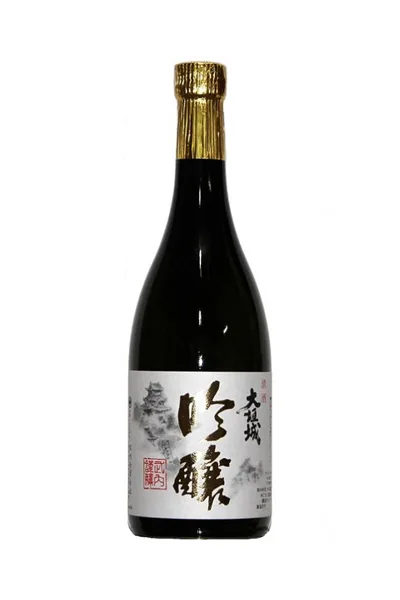
- Ogakijo Ginjo大垣城 吟醸
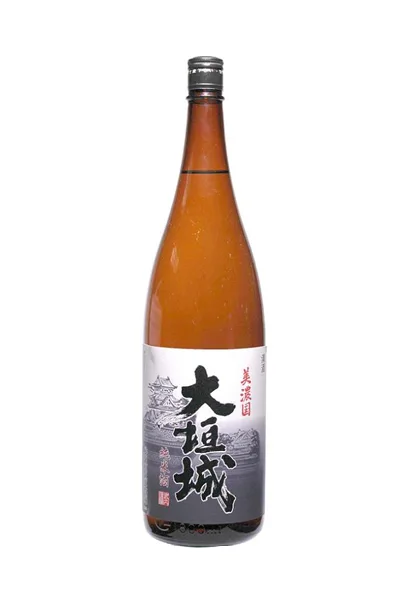
- Ogakijo Junmai sake大垣城 純米酒
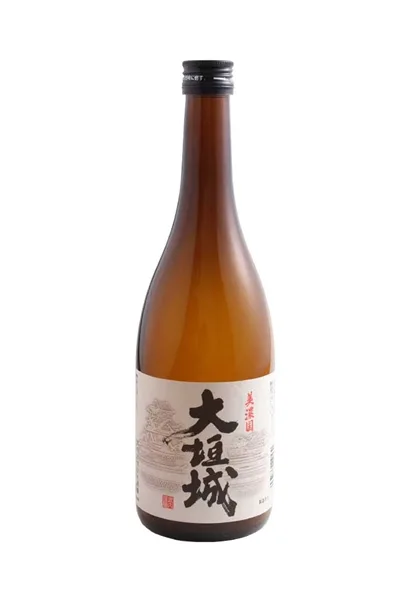
- Ogakijo Josen大垣城 上撰