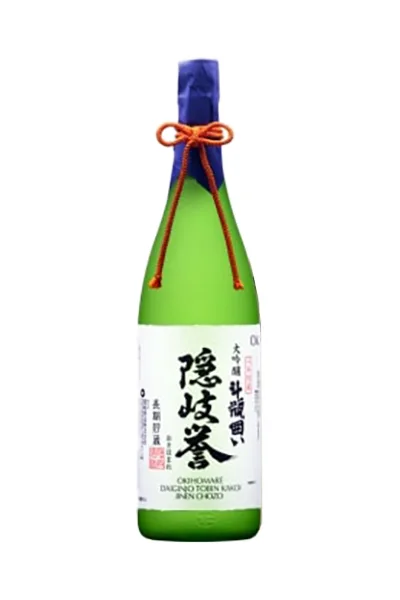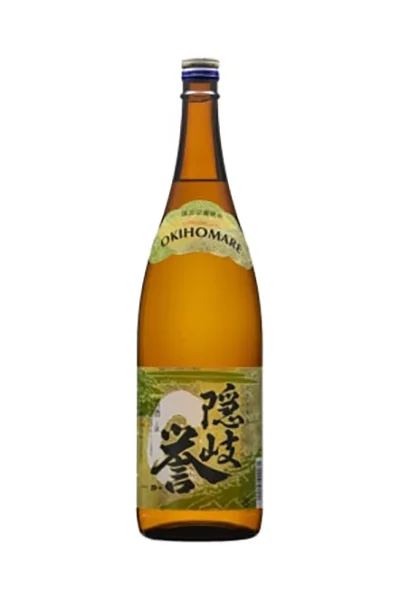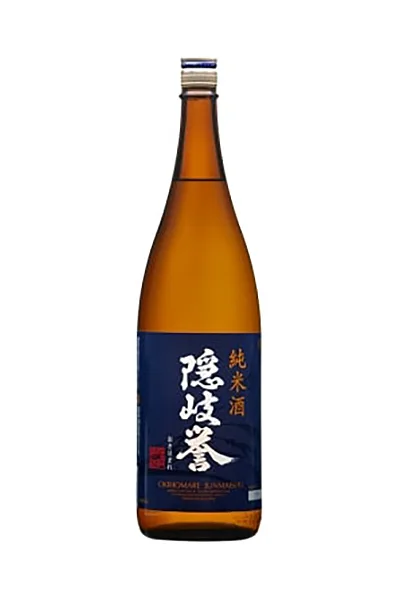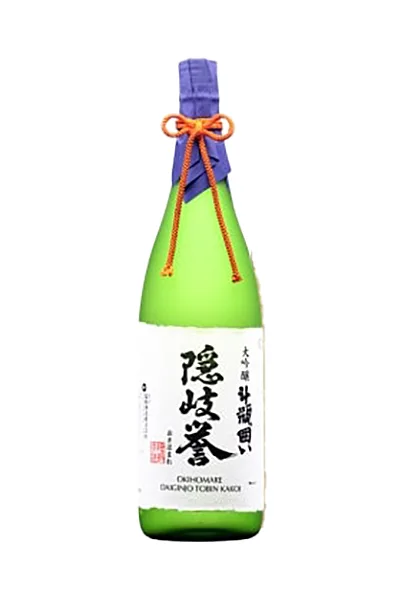
Okihomare Daiginjo Tobin Gakoi
隠岐誉 大吟醸 斗瓶囲いDaiginjo, rice polished to 35%, drip-pressed from hanging bags (shizuku), collected in 18-litre bottles (tobin)
Okihomare — Oki Shuzo, Shimane
A captivating, fragrant aroma with a smooth, mellow palate.
Specifications
- Type
- Daiginjo
- Rice
- Not disclosed
- Rice polishing ratio
- 35%65% of each grain polished away
- Yeast
- Not disclosed
- Alcohol
- 17%
- Sake meter value
- +2slightly dry
- Acidity
- 1.3
How to read these
- Type
- The grade printed on the label. It depends on the ingredients (rice only, or with a little distilled alcohol) and on how far the rice is polished. More
- Rice
- The rice variety. Most premium sake uses varieties grown for brewing, such as Yamada Nishiki. More
- Rice polishing ratio
- How much of each grain is left after polishing. A lower number means more was milled away, which usually gives a lighter, more aromatic sake. More
- Yeast
- The yeast strain, which shapes the aroma. More
- Alcohol
- Alcohol by volume. Most sake is 15–16%; undiluted (genshu) sake is often 17–18%. More
- Sake meter value
- A sweet-to-dry scale. Plus is drier, minus is sweeter. Acidity changes how it tastes, so treat it as a rough guide. More
- Acidity
- Total acid. Higher tends to taste fuller and drier; lower tastes lighter and sweeter. More
Flavor profile Aromatic & light
Aromatic & light — fruity, floral aroma with a light body. Known in Japan as kun-shu (薫酒).
The description cites a vivid floral aroma and a mellow palate, and the sake is a 35% polished daiginjo. SMV +2, acidity 1.3 and 17% alcohol point to high aroma, a light-to-moderate body and a gently sweet impression.
Estimated by AI from the published specifications and the brewery's description; your impression may differ.
About
Every stage of production is carried out by hand. Pressing (jōsō) is done using a method called fukuro-tsuri, in which the sake is collected as drops (shizuku) falling from cloth bags. Every stage of the process requires meticulous attention, with the aim of building the finest moromi (fermentation mash). It is essential to press at the optimal moment, when the moromi is progressing well, and to press quickly.
Other sake from this brand 10
- Okihomare Daiginjo Tobin Gakoi Hachinen Chozo隠岐誉 大吟醸 斗瓶囲い 八年貯蔵
- Okihomare Junmai Ginjo隠岐誉 純米吟醸
- Okihomare Daiginjo隠岐誉 大吟醸
- Okihomare Junmai Daiginjo隠岐誉 純米大吟醸
- Okihomare Josen隠岐誉 上撰
- Okihomare Junmai隠岐誉 純米酒
- Okihomare Junmai Dry Oki no Umi隠岐誉 純米辛口 隠岐の海
- Okihomare Moshio no Mai隠岐誉 藻塩の舞
- Okihomare Totte Oki no Atsukan隠岐誉 とって隠岐のあつ燗
- Okihomare Junmai sake Shakunage no Uta隠岐誉 純米酒 しゃくなげの詩