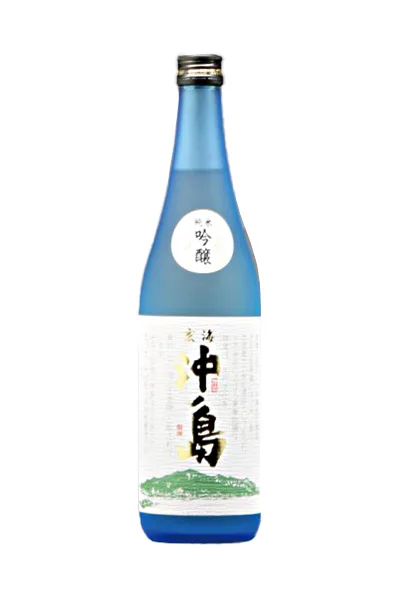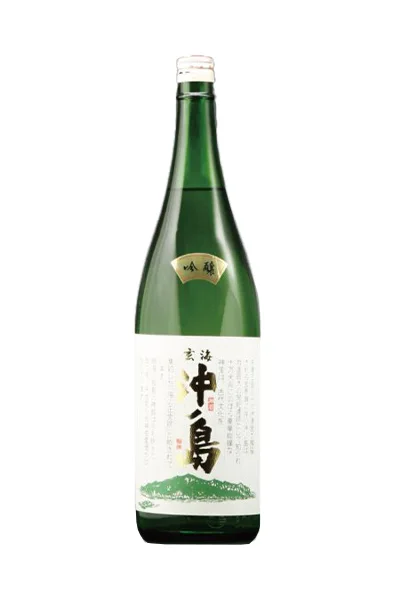
Okinoshima Ginjo
沖ノ島 吟醸Ginjo, rice polished to 60%
Okinoshima — Katsuya Shuzo, Fukuoka
Long loved locally, Okinoshima became widely known after its World Heritage listing in July 2017. For the seafood of the Genkai Sea, Okinoshima is the perfect match.
Specifications
- Type
- Ginjo
- Rice
- Not disclosed
- Rice polishing ratio
- 60%40% of each grain polished away
- Yeast
- Not disclosed
- Alcohol
- 15%
How to read these
- Type
- The grade printed on the label. It depends on the ingredients (rice only, or with a little distilled alcohol) and on how far the rice is polished. More
- Rice
- The rice variety. Most premium sake uses varieties grown for brewing, such as Yamada Nishiki. More
- Rice polishing ratio
- How much of each grain is left after polishing. A lower number means more was milled away, which usually gives a lighter, more aromatic sake. More
- Yeast
- The yeast strain, which shapes the aroma. More
- Alcohol
- Alcohol by volume. Most sake is 15–16%; undiluted (genshu) sake is often 17–18%. More
Flavor profile Aromatic & light
Aromatic & light — fruity, floral aroma with a light body. Known in Japan as kun-shu (薫酒).
The ginjo designation at 60% polishing and the description of a clean, lightly sweet profile point to moderate aroma, light-to-medium body and gentle sweetness. The 15% alcohol supports a soft, approachable character.
Estimated by AI from the published specifications and the brewery's description; your impression may differ.
About
A Ginjo sake made with generously used Yamada Nishiki rice from contracted local farmers. The sake is clean and refined, with a subtle sweetness that adds depth to its flavor.
Other sake from this brand 3
- Okinoshima Junmai Ginjo沖ノ島 純米吟醸
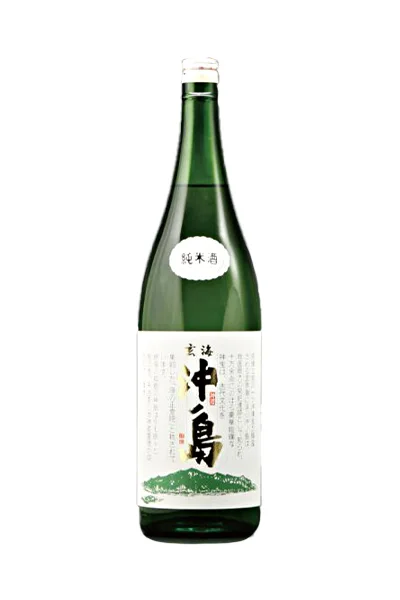
- Okinoshima Junmai沖ノ島 純米酒
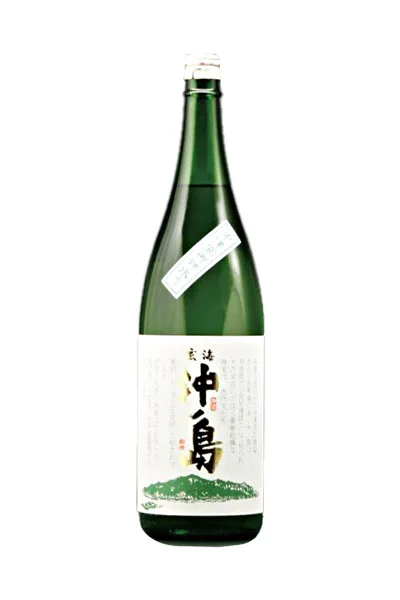
- Okinoshima Honjozo沖ノ島 本醸造