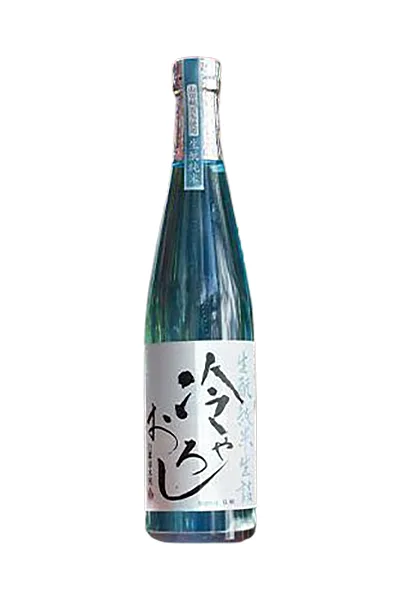
Rokusuien Kimoto Junmai Namazume Hiyaoroshi
禄水苑 生もと 純米生詰 冷やおろしJunmai, rice polished to 70%, kimoto starter, pasteurized once before storage (namazume), autumn release (hiyaoroshi)
Mellowed flavor, bottled straight as namazume.
Specifications
- Type
- Junmai Shu
- Rice
- Not disclosed
- Rice polishing ratio
- 70%30% of each grain polished away
- Yeast
- Not disclosed
- Alcohol
- 17–17.9%
- Sake meter value
- +3slightly dry
How to read these
- Type
- The grade printed on the label. It depends on the ingredients (rice only, or with a little distilled alcohol) and on how far the rice is polished. More
- Rice
- The rice variety. Most premium sake uses varieties grown for brewing, such as Yamada Nishiki. More
- Rice polishing ratio
- How much of each grain is left after polishing. A lower number means more was milled away, which usually gives a lighter, more aromatic sake. More
- Yeast
- The yeast strain, which shapes the aroma. More
- Alcohol
- Alcohol by volume. Most sake is 15–16%; undiluted (genshu) sake is often 17–18%. More
- Sake meter value
- A sweet-to-dry scale. Plus is drier, minus is sweeter. Acidity changes how it tastes, so treat it as a rough guide. More
Flavor profile Rich & umami
Rich & umami — rice-driven umami and a fuller body. Known in Japan as jun-shu (醇酒).
The text describes rounded umami and rich body from a kimoto junmai aged over summer, with 70% polishing, 17% alcohol and SMV +3 supporting it. Aroma is restrained, body is full, and sweetness is moderate.
Estimated by AI from the published specifications and the brewery's description; your impression may differ.
About
Sake that has matured through a full summer develops a rounded flavor, drawing out the natural umami of the rice. It is mellow yet full of body (koku). It pairs wonderfully with autumn fare rich in umami.
Other sake from this brand 2
- Rokusuien Seimi Ryokushu (清味緑酒)禄水苑 清味緑酒
- Rokusuien Junmi Ryokushu禄水苑 醇味緑酒