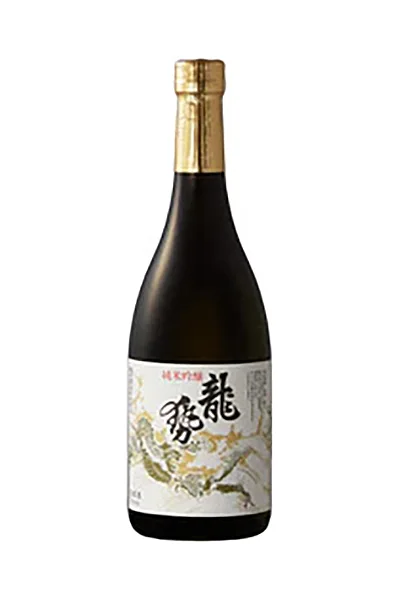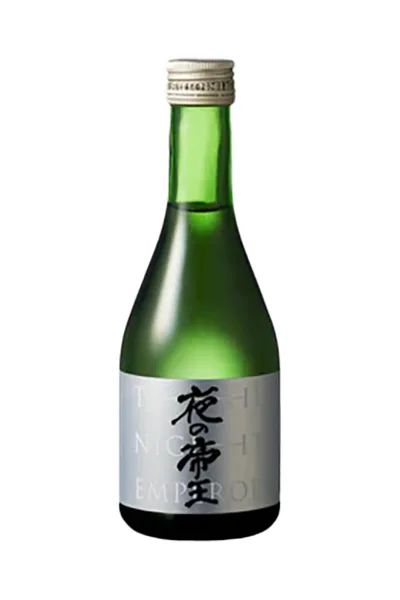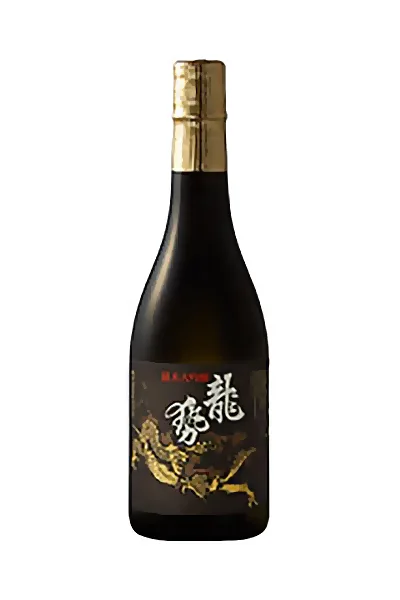
Ryusei Junmai Daiginjo Kuro Label
龍勢 純米大吟醸 黒ラベルJunmai daiginjo, Yamada Nishiki rice polished to 50%
Ryusei — Fujii Shuzo, Hiroshima
A Junmai Daiginjo made for sharing at the table. The flagship carries forward the spirit of Ryusei, the founding brand.
Specifications
- Type
- Junmai Daiginjo
- Rice
- Yamada Nishiki
- Rice polishing ratio
- 50%50% of each grain polished away
- Yeast
- Not disclosed
- Alcohol
- 17%
- Sake meter value
- +3slightly dry
How to read these
- Type
- The grade printed on the label. It depends on the ingredients (rice only, or with a little distilled alcohol) and on how far the rice is polished. More
- Rice
- The rice variety. Most premium sake uses varieties grown for brewing, such as Yamada Nishiki. More
- Rice polishing ratio
- How much of each grain is left after polishing. A lower number means more was milled away, which usually gives a lighter, more aromatic sake. More
- Yeast
- The yeast strain, which shapes the aroma. More
- Alcohol
- Alcohol by volume. Most sake is 15–16%; undiluted (genshu) sake is often 17–18%. More
- Sake meter value
- A sweet-to-dry scale. Plus is drier, minus is sweeter. Acidity changes how it tastes, so treat it as a rough guide. More
Flavor profile Full & complex
Full & complex — aromatic and full-bodied, including aged sake. Known in Japan as juku-shu (熟酒).
The brewery text cites a restrained, ripe banana-like ginjo aroma and a weighty, full-bodied palate, supported by the 50% polishing ratio and 17% alcohol. The SMV of +3 and the balance of umami, sweetness and acidity suggest moderate sweetness and a rich, mature profile.}
Estimated by AI from the published specifications and the brewery's description; your impression may differ.
About
A Junmai Daiginjo made with 100% Yamada Nishiki rice. Its restrained ginjo aroma is reminiscent of ripe banana, and it has a well-balanced profile of rice umami, sweetness, and acidity. With its full-bodied texture, it can be enjoyed on its own, but it truly shows its worth when drunk with a meal. It can also be served as an aperitif, but it is recommended to enjoy it alongside food. It pairs especially well with dishes seasoned with soy sauce and a sweet-savory balance, such as grilled eel (unagi), sukiyaki, and nikujaga (simmered beef and potatoes).
Other sake from this brand 7
- Ryusei Junmai Ginjo龍勢 純米吟醸
- Ryusei Yoru no Teio龍勢 夜の帝王
- Ryusei Bizen Omachi Kaori Junmai sake龍勢 備前雄町 芳醇純米酒
- Ryusei Ginzukuri Junmai Katsu Nigorizake龍勢 吟造り純米 活濁酒
- Ryusei Chō-nansui Shikomi Nakadori Ginzukuri Junmai龍勢 超軟水仕込 中取り吟造り純米
- Ryusei Tokubetsu Junmai Kuradashi Genshu Nakagumi Muroka龍勢 特別純米 蔵出原酒 中汲み無濾過
- Ryusei Koshikomi Tokubetsu Junmai龍勢 小仕込 特別純米