

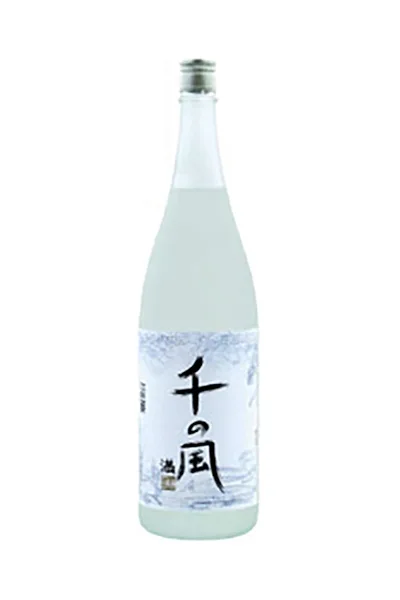
Sen no Kaze Seishu
千の風 清酒Futsushu (table sake), rice polished to 68%
Sen no Kaze — Shiokawa Shuzo, Niigata
Produced by Mitsuru Arai, Akutagawa Prize-winning author born in Ishizue-cho, Niigata City (known works: Tazunebito no Jikan and Sen no Kaze ni Natte).
Specifications
- Type
- Futsushu
- Rice
- Not disclosed
- Rice polishing ratio
- 68%32% of each grain polished away
- Yeast
- Not disclosed
- Alcohol
- 15–16%
- Sake meter value
- +5dry
- Acidity
- 1.2
How to read these
- Type
- The grade printed on the label. It depends on the ingredients (rice only, or with a little distilled alcohol) and on how far the rice is polished. More
- Rice
- The rice variety. Most premium sake uses varieties grown for brewing, such as Yamada Nishiki. More
- Rice polishing ratio
- How much of each grain is left after polishing. A lower number means more was milled away, which usually gives a lighter, more aromatic sake. More
- Yeast
- The yeast strain, which shapes the aroma. More
- Alcohol
- Alcohol by volume. Most sake is 15–16%; undiluted (genshu) sake is often 17–18%. More
- Sake meter value
- A sweet-to-dry scale. Plus is drier, minus is sweeter. Acidity changes how it tastes, so treat it as a rough guide. More
- Acidity
- Total acid. Higher tends to taste fuller and drier; lower tastes lighter and sweeter. More
Flavor profile Clean & dry
Clean & dry — restrained aroma, crisp and refreshing. Known in Japan as so-shu (爽酒).
The specs point to a restrained, light style: futsushu with 68% polishing, SMV +5 and low acidity of 1.2. The low acidity softens the dryness, suggesting a mild, gently sweet and smooth profile with modest aroma.
Estimated by AI from the published specifications and the brewery's description; your impression may differ.
About
The characters 「千の風」 on the label were written by Mitsuru Arai, and the background design is by the late Yasuro Suzuki, who was known for the former JNR Discover Japan campaign and the posters for the Nagano Olympics, among other works. The background depicts the twelve zodiac animals. Like the imagery of the poem Sen no Kaze ni Natte (A Thousand Winds), human life is fleeting, yet as one becomes earth and wind, life continues to circulate.
Other sake from this brand 2
- Sen no Kaze Daiginjo千の風 大吟醸
- Sen no Kaze Ginjo千の風 吟醸