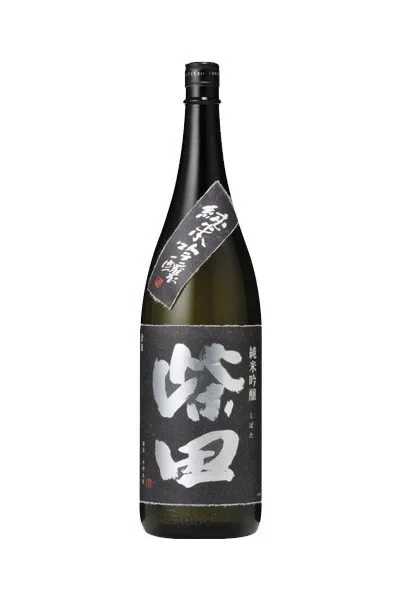
Shibata Junmai Ginjo
柴田 純米吟醸Junmai ginjo, Miyama Nishiki rice polished to 55%
Shibata — Nippon Seishu, Hokkaido
A light, clean taste and aroma
Specifications
- Type
- Junmai Ginjo
- Rice
- Miyama Nishiki
- Rice polishing ratio
- 55%45% of each grain polished away
- Yeast
- Not disclosed
- Alcohol
- 15–16%
- Sake meter value
- +4dry
- Acidity
- 1.1
How to read these
- Type
- The grade printed on the label. It depends on the ingredients (rice only, or with a little distilled alcohol) and on how far the rice is polished. More
- Rice
- The rice variety. Most premium sake uses varieties grown for brewing, such as Yamada Nishiki. More
- Rice polishing ratio
- How much of each grain is left after polishing. A lower number means more was milled away, which usually gives a lighter, more aromatic sake. More
- Yeast
- The yeast strain, which shapes the aroma. More
- Alcohol
- Alcohol by volume. Most sake is 15–16%; undiluted (genshu) sake is often 17–18%. More
- Sake meter value
- A sweet-to-dry scale. Plus is drier, minus is sweeter. Acidity changes how it tastes, so treat it as a rough guide. More
- Acidity
- Total acid. Higher tends to taste fuller and drier; lower tastes lighter and sweeter. More
Flavor profile Aromatic & light
Aromatic & light — fruity, floral aroma with a light body. Known in Japan as kun-shu (薫酒).
The text describes rich yellow peach and syrup-like aromas with a light, clean palate, and the moderate acidity and bitterness keep it crisp, placing it in the aromatic-light kun type. An SMV of +4 and low acidity of 1.1 suggest only a mild sweetness.}
Estimated by AI from the published specifications and the brewery's description; your impression may differ.
About
A Junmai Ginjo sake brewed using only highly polished Miyama Nishiki rice and rice koji (malted rice). It has rich aromas of yellow peach and syrup, while a moderate, well-spread acidity and bitterness tighten the whole and keep the balance. It pairs well with Japanese cuisine, and is also recommended with thickened Chinese dishes such as sweet and sour pork (subuta). Please enjoy its light, clean taste and aroma.
Other sake from this brand 2
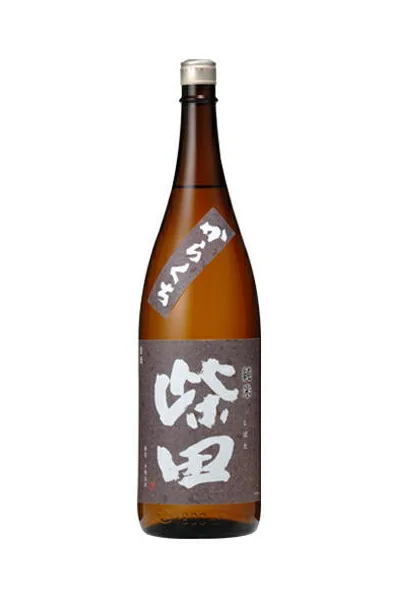
- Shibata Karakuchi Junmai柴田 からくち 純米
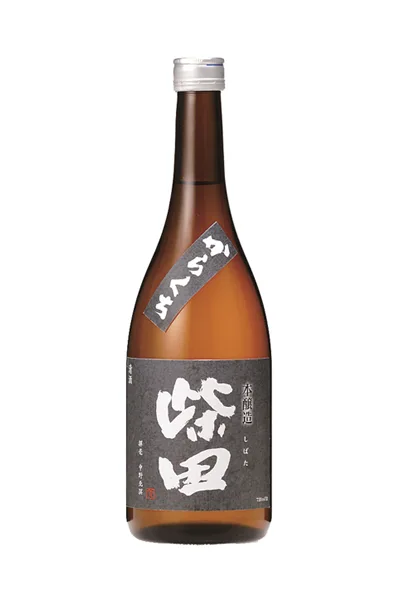
- Shibata Karakuchi Honjozo柴田 からくち 本醸造