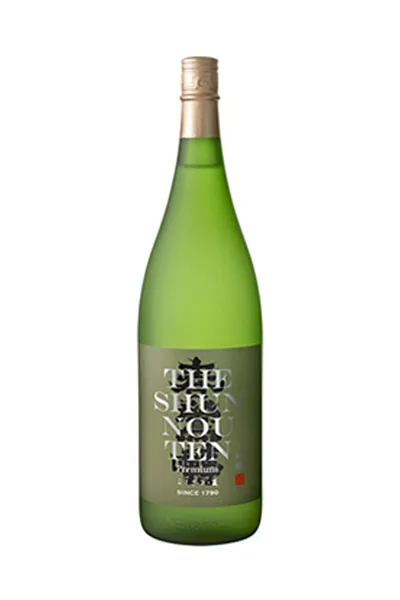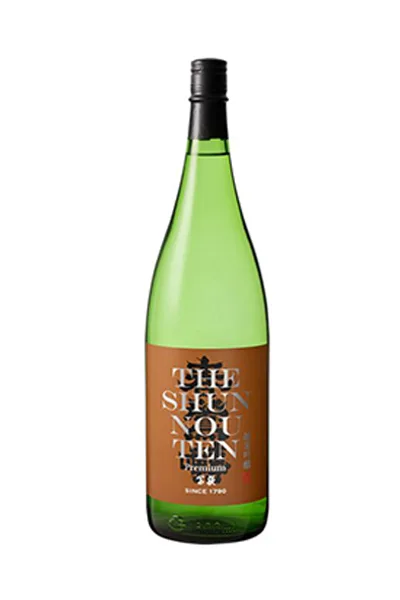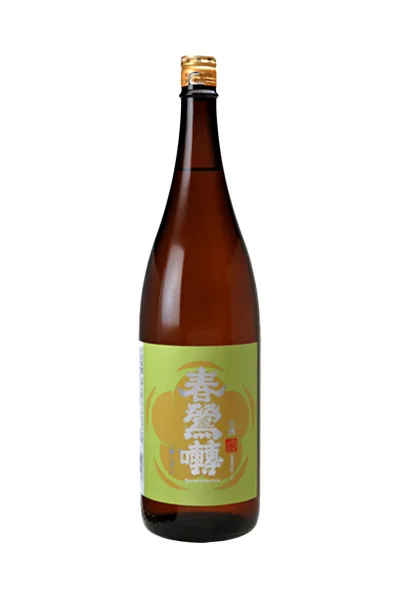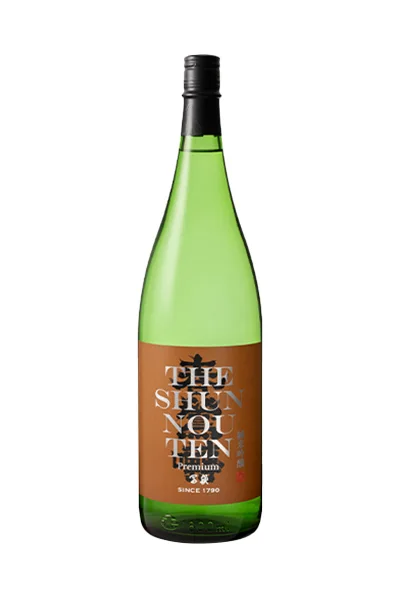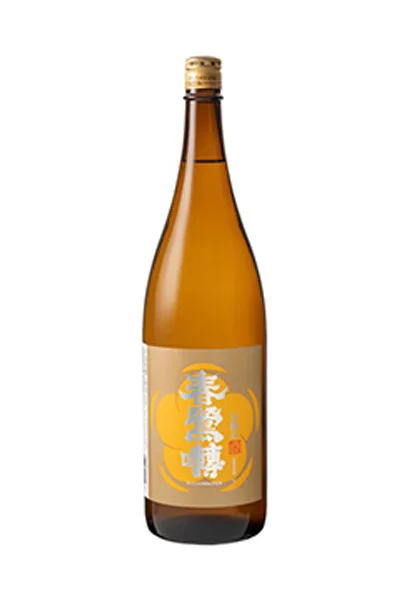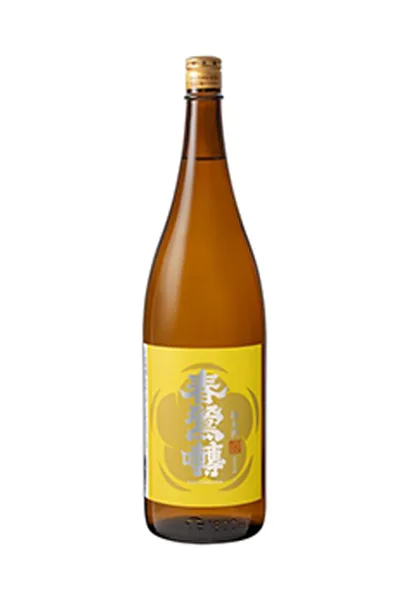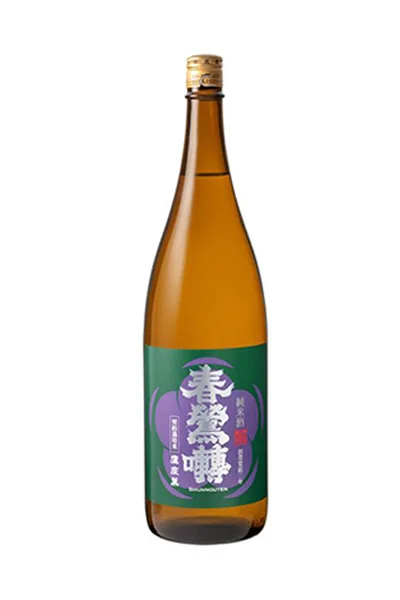
Shunnoten Junmai Shu Takaozu
春鶯囀 純米酒 鷹座巣Junmai, rice polished to 60%
Shunnoten — Yorozuya Jozoten, Yamanashi
Dry and crisp, a bold, manly sake with a clean finish.
Specifications
- Type
- Junmai Shu
- Rice
- Not disclosed
- Rice polishing ratio
- 60%40% of each grain polished away
- Yeast
- Kyokai No. 9
- Alcohol
- 15.5%
- Sake meter value
- +5dry
- Acidity
- 1.7
How to read these
- Type
- The grade printed on the label. It depends on the ingredients (rice only, or with a little distilled alcohol) and on how far the rice is polished. More
- Rice
- The rice variety. Most premium sake uses varieties grown for brewing, such as Yamada Nishiki. More
- Rice polishing ratio
- How much of each grain is left after polishing. A lower number means more was milled away, which usually gives a lighter, more aromatic sake. More
- Yeast
- The yeast strain, which shapes the aroma. More
- Alcohol
- Alcohol by volume. Most sake is 15–16%; undiluted (genshu) sake is often 17–18%. More
- Sake meter value
- A sweet-to-dry scale. Plus is drier, minus is sweeter. Acidity changes how it tastes, so treat it as a rough guide. More
- Acidity
- Total acid. Higher tends to taste fuller and drier; lower tastes lighter and sweeter. More
Flavor profile Rich & umami
Rich & umami — rice-driven umami and a fuller body. Known in Japan as jun-shu (醇酒).
SMV +5, high acidity of 1.7, and 60% polishing point to a restrained aroma and a full, savory body, consistent with the description of a dry, crisp, masculine junmai.
Estimated by AI from the published specifications and the brewery's description; your impression may differ.
About
The name Takaozu comes from Mount Kushigata (Takaozu-yama), at the southernmost end of the Minami Alps. Believing that a local sake should use local rice and local water, the brewery contracts with growers in Fujikawa-cho, where it is located, to grow the sake rice Tamasakae, and draws on exceptionally fine underground water (fukuryusui) from the Mount Kushigata area. The result is a junmai sake that fully embodies chisan chishō (local production for local consumption). Nurukan (warmed to 40-45°C) is recommended. Takaozu appeared in volume 82 of Oishinbo, the manga published by Shogakukan. The name Takaozu comes from a tradition that Prince Yamato Takeru, looking out from Sakaori no Miya toward the mountains of Masuho (present-day Fujikawa-cho), remarked that they resembled a hawk settling on its nest. Brewed at the brewery at the foot of the mountain in Masuho, a town of history and culture, this junmai sake carries the Takaozu name. The label color reflects the green of Mount Takaozu and the iris that blooms there.
Other sake from this brand 9
- Shunnoten Daiginjo Kamosaruru Kura春鶯囀 大吟醸 かもさるる蔵
- Shunnoten Junmai Ginjo Fugaku春鶯囀 純米吟醸 冨嶽
- Shunnoten Namazake Shinshu Ichiban Shibori春鶯囀 生酒 新酒 一番しぼり
- Shunnoten Tokusen Junmai Ginjo Fugaku春鶯囀 特選 純米吟醸 冨嶽
- Shunnoten Honjozo春鶯囀 本醸造
- Shunnoten Junmai春鶯囀 純米酒
- Shunnoten Yuki-mai nomi de tsukurareta Junmai sake春鶯囀 有機米のみで造られた純米酒
- Shunnoten Junmai sake Antique Bottle春鶯囀 純米酒 アンティークボトル
- Shunnoten Junmai Ginjo Haru no Yoi春鶯囀 純米吟醸 春の宵