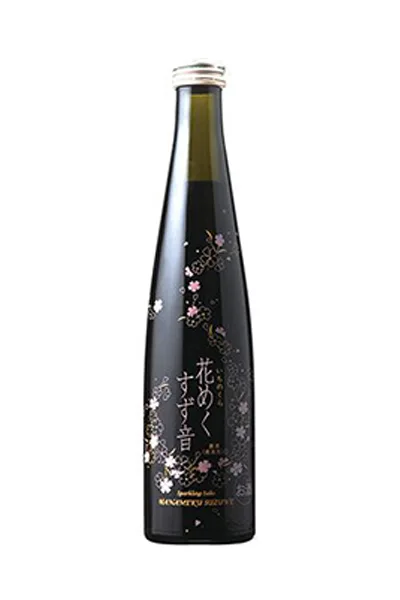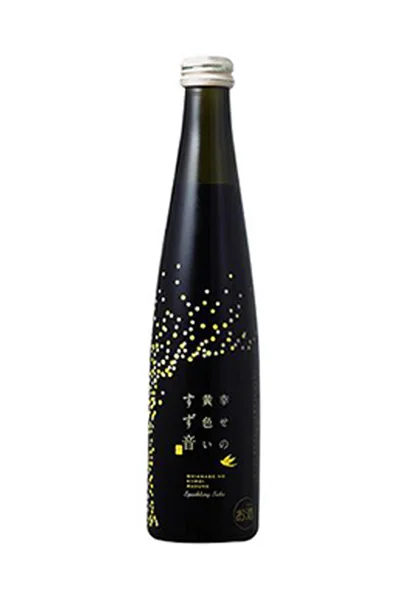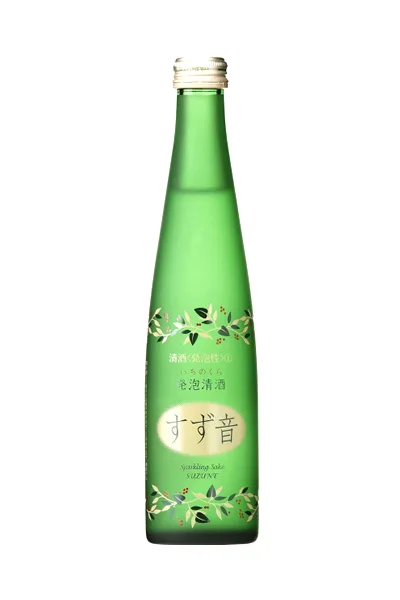
Ichinokura Suzune Sparkling Sake
一ノ蔵 発泡清酒 すず音Junmai sparkling, Toyonishiki rice polished to 65%
Suzune — Ichinokura, Miyagi
A gentle taste of refined elegance.
Specifications
- Type
- Sparkling
- Rice
- Toyonishiki
- Rice polishing ratio
- 65%35% of each grain polished away
- Yeast
- Kyokai No. 901
- Alcohol
- 5%
- Sake meter value
- -90–-70very sweet
How to read these
- Type
- The grade printed on the label. It depends on the ingredients (rice only, or with a little distilled alcohol) and on how far the rice is polished. More
- Rice
- The rice variety. Most premium sake uses varieties grown for brewing, such as Yamada Nishiki. More
- Rice polishing ratio
- How much of each grain is left after polishing. A lower number means more was milled away, which usually gives a lighter, more aromatic sake. More
- Yeast
- The yeast strain, which shapes the aroma. More
- Alcohol
- Alcohol by volume. Most sake is 15–16%; undiluted (genshu) sake is often 17–18%. More
- Sake meter value
- A sweet-to-dry scale. Plus is drier, minus is sweeter. Acidity changes how it tastes, so treat it as a rough guide. More
Flavor profile Aromatic & light
Aromatic & light — fruity, floral aroma with a light body. Known in Japan as kun-shu (薫酒).
The very negative SMV of -90 to -70, 5% alcohol, and the description of sweet-sour flavor and a light, sweet aroma point to a mildly aromatic, light-bodied sake with pronounced sweetness.
Estimated by AI from the published specifications and the brewery's description; your impression may differ.
About
Sweet and tart in flavor. Fine bubbles glide smoothly across the palate, leaving a mellow finish. This is a light, sweet sparkling style with a rounded character and a gentle aroma, and it is lightly cloudy (usunigori). The name Suzune is an endearing one, chosen because the delicate bubbles that rise when the sake is poured into a glass seem to ring like the sound of little bells. The bubbles that softly burst on the tongue come from natural carbon dioxide produced by bottle fermentation (secondary fermentation in the bottle), the same method used for Champagne. Within the gentle flavor of rice, a soft tartness spreads across the palate. With a low alcohol content, it is well suited to those who do not usually drink much sake. Enjoy it for toasts, as a cocktail base, or as a dessert sake, for a different way to enjoy Japanese sake.
Other sake from this brand 2
- Suzune Hanameku Suzuneすず音 花めくすず音
- Suzune Shiawase no Kiiroi Suzuneすず音 幸せの黄色いすず音