

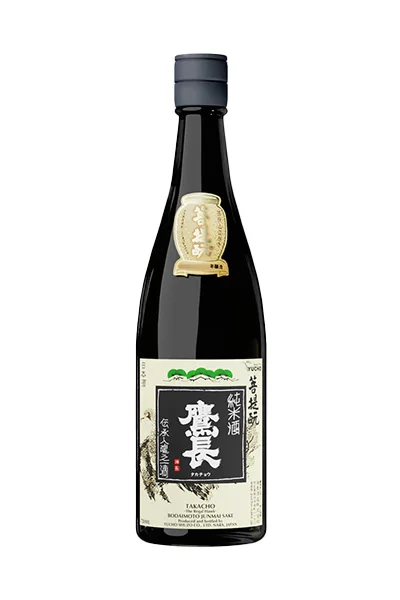
Takacho Junmai Bodaimoto
鷹長 純米 菩提酛Junmai, rice polished to 70%, bodaimoto starter
Takacho — Yucho Shuzo, Nara
Honoring tradition, carrying culture forward
Specifications
- Type
- Junmai Shu
- Rice
- Not disclosed
- Rice polishing ratio
- 70%30% of each grain polished away
- Yeast
- Not disclosed
- Alcohol
- 17–18%
How to read these
- Type
- The grade printed on the label. It depends on the ingredients (rice only, or with a little distilled alcohol) and on how far the rice is polished. More
- Rice
- The rice variety. Most premium sake uses varieties grown for brewing, such as Yamada Nishiki. More
- Rice polishing ratio
- How much of each grain is left after polishing. A lower number means more was milled away, which usually gives a lighter, more aromatic sake. More
- Yeast
- The yeast strain, which shapes the aroma. More
- Alcohol
- Alcohol by volume. Most sake is 15–16%; undiluted (genshu) sake is often 17–18%. More
Flavor profile Rich & umami
Rich & umami — rice-driven umami and a fuller body. Known in Japan as jun-shu (醇酒).
The 70% polishing ratio, 17-18% alcohol and bodhimoto starter point to a restrained, rice-forward aroma with a full, rich body. Sweetness is judged moderate, with the traditional starter adding acidity and firmness.
Estimated by AI from the published specifications and the brewery's description; your impression may differ.
About
As sake production diversified across the country, this traditional technique was gradually forgotten with the rise of the yamahai (traditional yeast-starter method) and sokujo (quick yeast-starter method) approaches. In 1999, a group of volunteer brewery owners from Nara Prefecture revived it at Shoryakuji, the birthplace of Japanese sake. Today it is part of the Takacho lineup, conveying the tradition and craftsmanship of Nara sake (Narazake) to people.
Other sake from this brand 1
- Takacho Junmai Shizuku-zake鷹長 純米 しずく酒