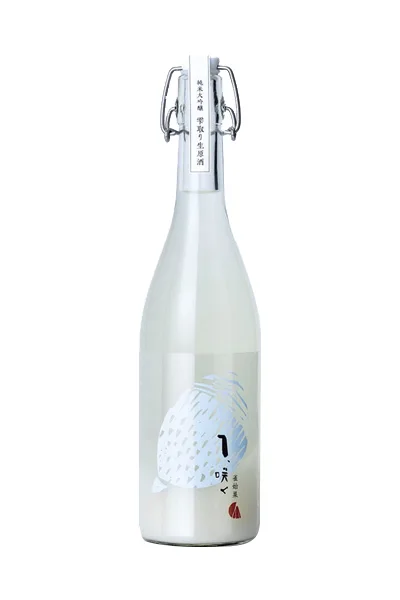
Te, Saku Suzume Hajimesu
て、咲く 雀始巣Junmai daiginjo, Saito no Shizuku rice polished to 35%
Te, Saku — Hatsumomidi, Yamaguchi
Savor the rich body and rice umami of an origarami-style sake, to the fullest.
Specifications
- Type
- Junmai Daiginjo
- Rice
- Saito no Shizuku
- Rice polishing ratio
- 35%65% of each grain polished away
- Yeast
- Not disclosed
- Alcohol
- 16%
How to read these
- Type
- The grade printed on the label. It depends on the ingredients (rice only, or with a little distilled alcohol) and on how far the rice is polished. More
- Rice
- The rice variety. Most premium sake uses varieties grown for brewing, such as Yamada Nishiki. More
- Rice polishing ratio
- How much of each grain is left after polishing. A lower number means more was milled away, which usually gives a lighter, more aromatic sake. More
- Yeast
- The yeast strain, which shapes the aroma. More
- Alcohol
- Alcohol by volume. Most sake is 15–16%; undiluted (genshu) sake is often 17–18%. More
Flavor profile Full & complex
Full & complex — aromatic and full-bodied, including aged sake. Known in Japan as juku-shu (熟酒).
The 35% junmai daiginjo is a nigori-garami nama genshu pressed by free-run drip, and the described koku and rice umami with low harshness point to a fairly aromatic, full-bodied profile. The lees add a gentle sweetness.
Estimated by AI from the published specifications and the brewery's description; your impression may differ.
About
Sparrows have been among the most familiar creatures to the Japanese people since ancient times and appear often in haiku and folk tales. White sparrows, which are seen only rarely, are called zuichō (auspicious birds) and have long been regarded as a symbol of good fortune. Te, Saku 'Suzume Hajimesu' is made from Saito no Shizuku, an original sake rice developed in Yamaguchi Prefecture, milled to 35% (rice polishing ratio). It is a Junmai Daiginjo shizuku-dori nama genshu, the first sake drawn off during pressing. This release uses the fukuro-tsuri method (bag-hanging), a rare process offered only once a year. Fukuro-tsuri is a special technique in which moromi (fermentation mash) is packed into cloth bags and hung so that the sake drips out under its own weight, without applying pressure. Because this method is usually reserved for kanpyokai (sake competitions) and is seldom sold as a product, this is a luxurious bottle. Each sake bag was handmade, one at a time, by kurabito (brewery workers), and the moromi is filled into each bag by hand. Because no pressure is applied, there is little off-flavor, and you can fully enjoy the rich body and rice umami of origarami (sake with lees stirred back in).
Other sake from this brand 1
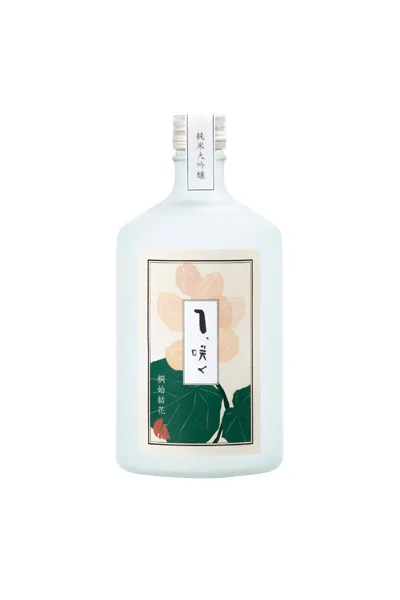
- Limited Re-release "Te, Saku Kiri Hajimete Hana o Musubu"復刻限定販売「て、咲く 桐始結花 」