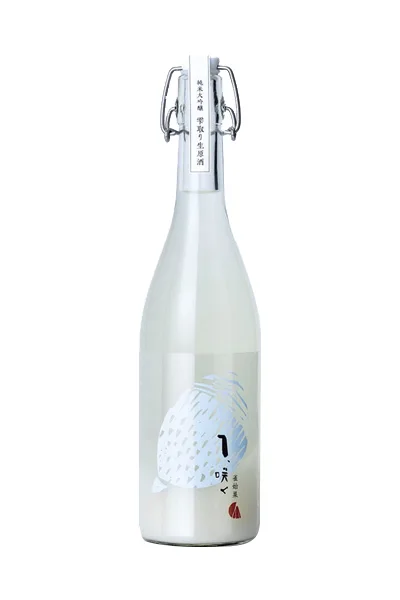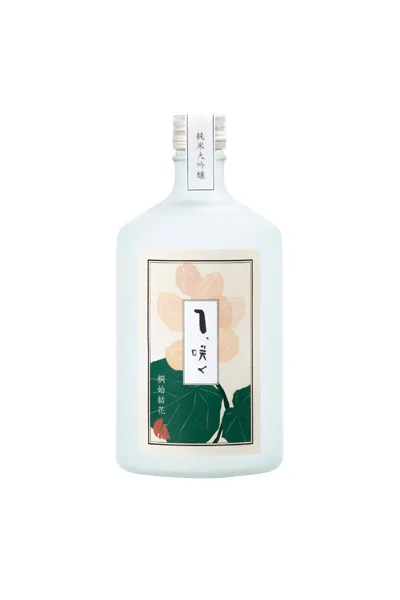
Limited Re-release "Te, Saku Kiri Hajimete Hana o Musubu"
復刻限定販売「て、咲く 桐始結花 」Junmai daiginjo, re-release, limited edition
Te, Saku — Hatsumomidi, Yamaguchi
A sake to be enjoyed in the height of summer heat.
Specifications
- Type
- Junmai Daiginjo
- Rice
- Not disclosed
- Yeast
- Not disclosed
How to read these
- Type
- The grade printed on the label. It depends on the ingredients (rice only, or with a little distilled alcohol) and on how far the rice is polished. More
- Rice
- The rice variety. Most premium sake uses varieties grown for brewing, such as Yamada Nishiki. More
- Yeast
- The yeast strain, which shapes the aroma. More
Flavor profile Aromatic & light
Aromatic & light — fruity, floral aroma with a light body. Known in Japan as kun-shu (薫酒).
The text explicitly describes a fruity, floral ginjo aroma with a fresh, lively palate and a slight prickly gas, pointing to high aroma and a light, crisp body. Sweetness is estimated as low-moderate given the fresh, unpasteurized character and no sweetness cues in the description.
Estimated by AI from the published specifications and the brewery's description; your impression may differ.
About
Since we resumed brewing, we have held to year-round brewing (shiki jozo) for one reason: we want to deliver fresh sake throughout the year. This is sake that only the brewers (kurabito) get to taste, sake at the very moment it is pressed. So that as many people as possible can enjoy that just-pressed freshness, the junmai daiginjo we pressed in mid-July is bottled the same day and shipped as it is. The fruity, floral ginjo aroma characteristic of junmai daiginjo, the fresh flavor of sake pressed only moments earlier, and the lively prickle of carbonation left by yeast that worked hard in the bottle until the very end. Only Hatsumomiji, with its four-season brewing, can make this Arabashiri (first-run sake) in the midsummer heat. It is sake meant to be enjoyed especially in the height of summer. ~Japan's seasons can be tasted~ Kiri Hajimete Hana o Musubu (the paulownia begins to form flower buds) In the 72 micro-seasons (shichijuni-ko) that mark the Japanese calendar, the period around July 23 to 27 is called this. In this season, the paulownia has already set buds for next spring's flowers. For more than half a year it weathers wind and rain and endures the harsh winter, and now is the time it prepares to bloom beautifully the following year. Please enjoy Te, Saku Kiri Hajimete Hana o Musubu.
Other sake from this brand 1
- Te, Saku Suzume Hajimesuて、咲く 雀始巣