

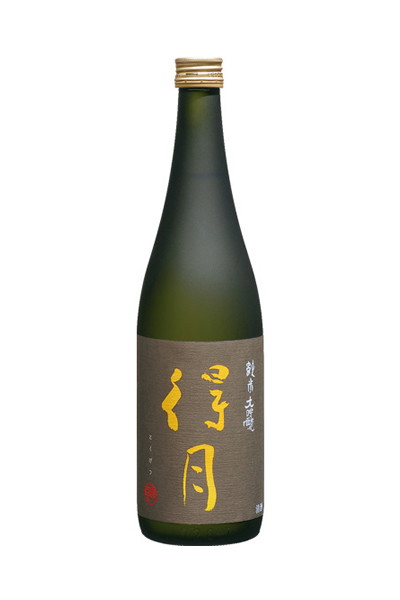
Tokugetsu Junmai Daiginjo
得月 純米大吟醸Tokugetsu — Asahi Shuzo, Niigata
An elegant aroma and gentle flavor (shipped in September only)
Specifications
- Type
- Junmai Daiginjo
- Rice
- Yukinosei
- Rice polishing ratio
- 28%
- Yeast
- Not disclosed
- Alcohol
- 15%
- Sake meter value
- +2
- Acidity
- 1.1
Flavor profile Kun-shu
Kun-shu — aromatic and light
The 28% polishing ratio of this junmai daiginjo and the described refined aroma point to a fragrant, light-bodied style. A low acidity of 1.1 and an SMV of +2 give a soft, slightly sweet impression.
Estimated by AI from the published specifications and the brewery's description; your impression may differ.
About
This sake is made from Niigata-grown Yukinosei rice, polished to a polishing ratio of 28%. The polished grains, shaped like pearls, look like a shining moon. Tokugetsu is brewed with Yukinosei rice grown in Niigata, which inherits Koshiji Wase on its maternal side and Koshihikari on its paternal side. The rice is polished to 28%. Polishing it this far without the grains breaking takes three days and three nights. Yukinosei is oval in its brown-rice form, but by the time it enters the brewing process it is perfectly round, like a full moon in the sky. Because the raw rice has been given such care, the brewing is also done carefully, with fermentation at low temperature for about one month. This is a sake meant to be enjoyed together with the Mid-Autumn Moon. Serve it lightly chilled to savor its elegant aroma and gentle flavor. The name Tokugetsu comes from the line "Kinsui rodai sen toku getsu" (the pavilion near the water catches the moon first) by the Chinese poet Su Lin (蘇鱗). Tokugetsu carries the meaning of seeing the moon reflected on the water, but the name is quoted here in the wider hope that it will be enjoyed during moon-viewing (otsukimi) in general. Since ancient times, the eighth month of the lunar calendar has been considered the season when the air is dry, making the moon appear vivid, and low humidity makes moon-viewing comfortable. In former times, people set up altars at this season decorated with susuki (pampas grass) and offered dango dumplings, taro, sake and other foods while gazing at the moon. When the custom of moon-viewing was introduced from China in the Heian period, the nobility held moon-viewing banquets and boat outings, composed poems about the moon, and drank moon-viewing sake. The deep feelings Japanese people have held for the autumn moon are evident from the many poems that have survived. Why not enjoy Tokugetsu in a stylish way, by floating the moon in your sake cup? The characters for Tokugetsu on the label were brushed by Niigata City-based calligrapher Sakatsume Sogen (坂爪叟玄), with the moon in mind. The package design takes inspiration from the Choju Giga (Scrolls of Frolicking Animals), showing rabbits enjoying a banquet while viewing the moon. The design carries the message "We hope you enjoy it as moon-viewing sake." The product also comes with a charming sample of the polished rice.