

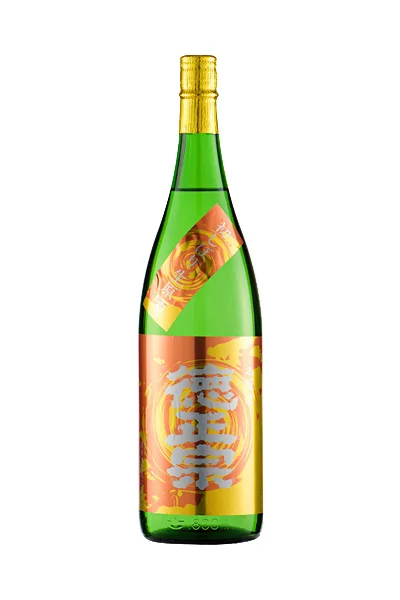
Tokumasamune Honjozo Hatsushibori Nama Genshu
徳正宗 本醸造酒 初しぼり生原酒Honjozo, domestic rice polished to 70%, unpasteurized (nama), undiluted (genshu), freshly pressed new sake (shiboritate)
Tokumasamune — Hagiwara Shuzo, Ibaraki
Fresh, crisp, and light, it pairs well with a wide variety of dishes.
Specifications
- Type
- Honjozo
- Rice
- Domestic rice
- Rice polishing ratio
- 70%30% of each grain polished away
- Yeast
- Not disclosed
- Alcohol
- 17%
How to read these
- Type
- The grade printed on the label. It depends on the ingredients (rice only, or with a little distilled alcohol) and on how far the rice is polished. More
- Rice
- The rice variety. Most premium sake uses varieties grown for brewing, such as Yamada Nishiki. More
- Rice polishing ratio
- How much of each grain is left after polishing. A lower number means more was milled away, which usually gives a lighter, more aromatic sake. More
- Yeast
- The yeast strain, which shapes the aroma. More
- Alcohol
- Alcohol by volume. Most sake is 15–16%; undiluted (genshu) sake is often 17–18%. More
Flavor profile Clean & dry
Clean & dry — restrained aroma, crisp and refreshing. Known in Japan as so-shu (爽酒).
A 70% polished honjozo with restrained, rice-led aroma. The description's fresh, clean and light character outweighs the 17% undiluted genshu strength, placing it in the light, crisp zone with moderate sweetness and some weight.
Estimated by AI from the published specifications and the brewery's description; your impression may differ.
About
Serve this Hatsushibori (first-pressed sake of the season) with food at your year-end and New Year gatherings. Because this is nama genshu (unpasteurized undiluted sake), its alcohol content is high. Please pace yourself and take care not to drink too much. As this sake is unfiltered (muroka), sediment (ori) has settled at the bottom of the bottle. Gently mix before drinking. For a crisper taste, the clear liquid at the top is recommended. Recommended serving temperature: Chilled (excellent) Room temperature (good)