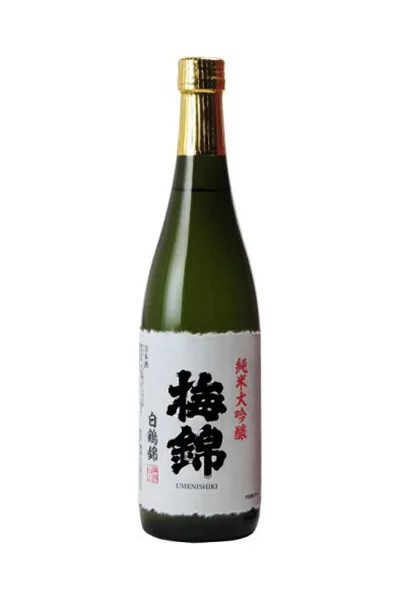
Umenishiki Junmai Daiginjo
梅錦 純米大吟醸Junmai daiginjo, rice polished to 40%
Umenishiki — Umenishiki Yamakawa, Ehime
For generations, the red box from Umenishiki has meant this Junmai Daiginjo.
Specifications
- Type
- Junmai Daiginjo
- Rice
- Not disclosed
- Rice polishing ratio
- 40%60% of each grain polished away
- Yeast
- Not disclosed
- Alcohol
- 16–16.9%
- Sake meter value
- +3.5dry
- Acidity
- 1.4
How to read these
- Type
- The grade printed on the label. It depends on the ingredients (rice only, or with a little distilled alcohol) and on how far the rice is polished. More
- Rice
- The rice variety. Most premium sake uses varieties grown for brewing, such as Yamada Nishiki. More
- Rice polishing ratio
- How much of each grain is left after polishing. A lower number means more was milled away, which usually gives a lighter, more aromatic sake. More
- Yeast
- The yeast strain, which shapes the aroma. More
- Alcohol
- Alcohol by volume. Most sake is 15–16%; undiluted (genshu) sake is often 17–18%. More
- Sake meter value
- A sweet-to-dry scale. Plus is drier, minus is sweeter. Acidity changes how it tastes, so treat it as a rough guide. More
- Acidity
- Total acid. Higher tends to taste fuller and drier; lower tastes lighter and sweeter. More
Flavor profile Full & complex
Full & complex — aromatic and full-bodied, including aged sake. Known in Japan as juku-shu (熟酒).
Polished to 40% and described as deep and full-flavored with a crisp finish, this junmai daiginjo points to moderate aroma and a rounded, medium-full body. An SMV of +3.5 and acidity of 1.4 suggest a soft, only lightly sweet impression.
Estimated by AI from the published specifications and the brewery's description; your impression may differ.
About
It offers a deep, full-bodied flavor that still finishes cleanly, showing the appeal of an "aji ginjo" (a ginjo style that emphasizes flavor). This sake is meant above all to be savored on its own, with the sake as the main focus. If choosing food to pair with it, look for dishes that highlight the natural ingredients and have a light flavor, such as those made with a clear dashi broth. "The red box has arrived again this year." This is a proud creation from Umenishiki that seems to bring to mind the voices of many customers saying just that.
Other sake from this brand 22
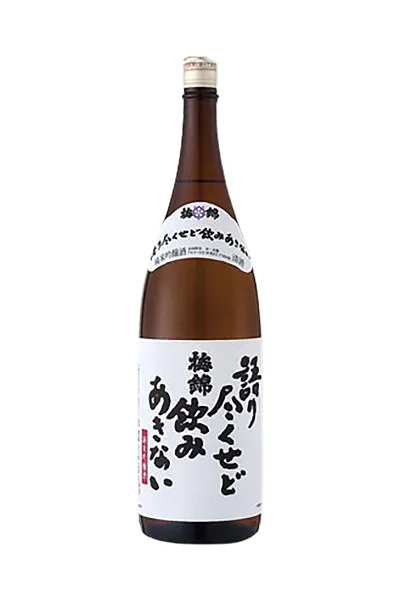
- Umenishiki Katari Tsukusedo Nomi Akinai梅錦 語り尽くせど飲みあきない
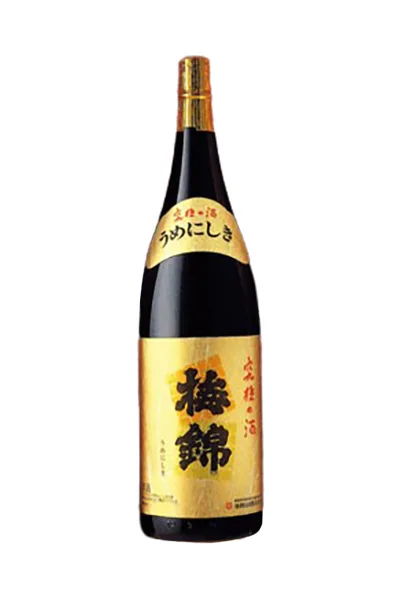
- Umenishiki Kyukyoku no Sake梅錦 究極の酒
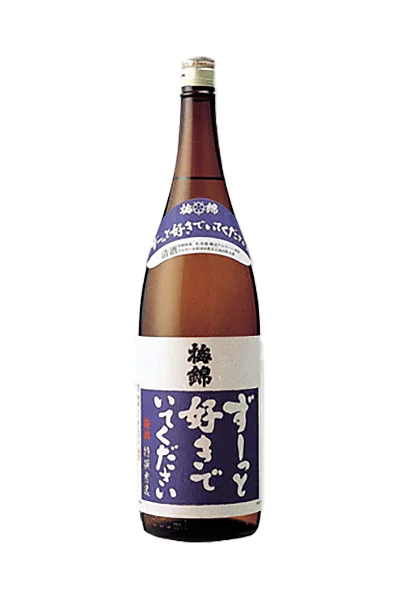
- Umenishiki Zutto Suki de Ite Kudasai梅錦 ずーっと好きでいてください
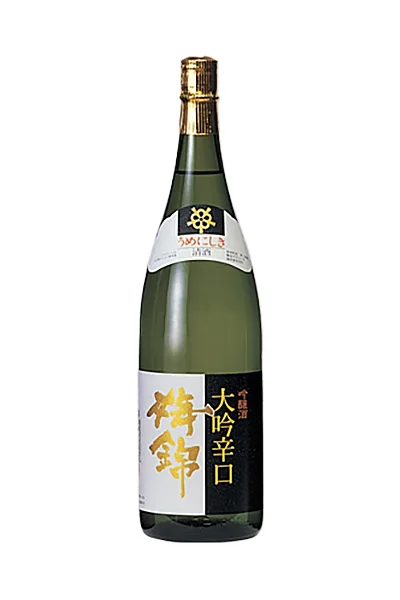
- Umenishiki Daiginjo Dry梅錦 大吟辛口
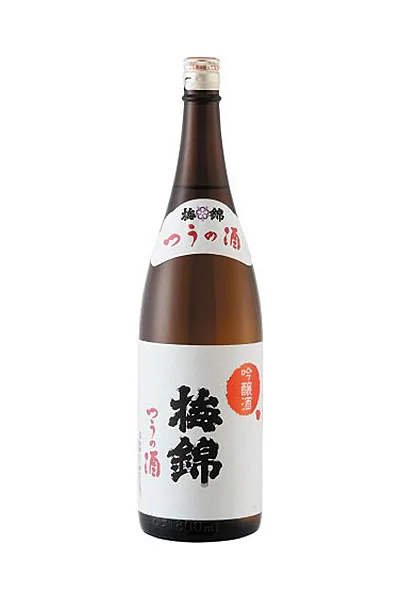
- Umenishiki Tsu no Sake梅錦 つうの酒
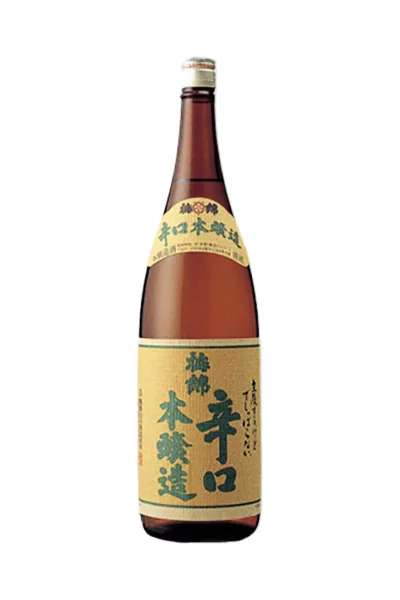
- Umenishiki Dry Honjozo梅錦 辛口 本醸造
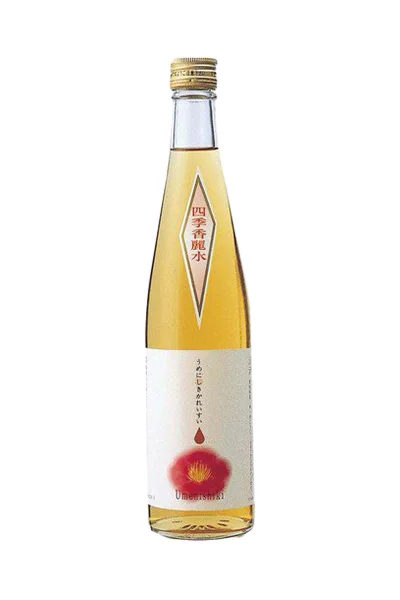
- Umenishiki Shiki Korei Sui梅錦 四季香麗水
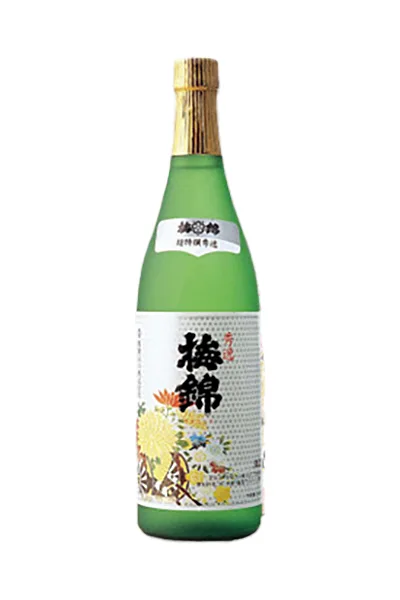
- Umenishiki Chotokusen Shuitsu梅錦 超特撰 秀逸
- Umenishiki Toji no Sake梅錦 杜氏の酒
- Umenishiki Hime Eishō梅錦 媛 栄照
- Umenishiki Hime no Ai Genmi梅錦 媛の愛 幻味
- Umenishiki Junmai Ginjo Hime no Ai Tenmi梅錦 純米吟醸酒 媛の愛 天味