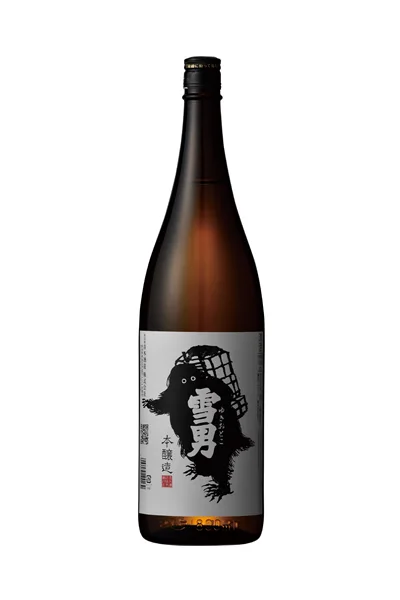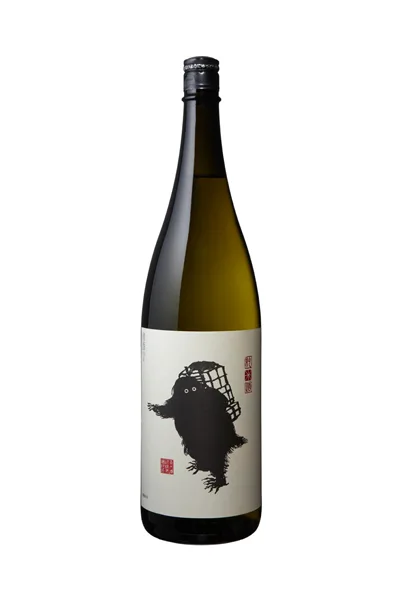
Yukiotoko Junmai sake
雪男 純米酒Junmai, Miyama Nishiki rice polished to 60%
Yukiotoko — Aoki Shuzo, Niigata
Makes the most of the rice's umami typical of junmai sake, with a sharp, crisp, dry finish.
Specifications
- Type
- Junmai Shu
- Rice
- Miyama Nishiki
- Rice polishing ratio
- 60%40% of each grain polished away
- Yeast
- Not disclosed
- Alcohol
- 15–16%
- Sake meter value
- +12very dry
- Acidity
- 1.2
How to read these
- Type
- The grade printed on the label. It depends on the ingredients (rice only, or with a little distilled alcohol) and on how far the rice is polished. More
- Rice
- The rice variety. Most premium sake uses varieties grown for brewing, such as Yamada Nishiki. More
- Rice polishing ratio
- How much of each grain is left after polishing. A lower number means more was milled away, which usually gives a lighter, more aromatic sake. More
- Yeast
- The yeast strain, which shapes the aroma. More
- Alcohol
- Alcohol by volume. Most sake is 15–16%; undiluted (genshu) sake is often 17–18%. More
- Sake meter value
- A sweet-to-dry scale. Plus is drier, minus is sweeter. Acidity changes how it tastes, so treat it as a rough guide. More
- Acidity
- Total acid. Higher tends to taste fuller and drier; lower tastes lighter and sweeter. More
Flavor profile Rich & umami
Rich & umami — rice-driven umami and a fuller body. Known in Japan as jun-shu (醇酒).
An SMV of +12 and the text's 大辛口 and キレ point to a very dry, sharp finish. The stated rice umami and koku keep the body slightly full, while the restrained aroma places it in the jun quadrant.
Estimated by AI from the published specifications and the brewery's description; your impression may differ.
About
The name Yukiotoko comes from the 'Ijū' (Strange Beasts) chapter of Hokuetsu Setsufu (Snow Chronicle of Hokuetsu), an Edo-period bestseller that describes life in the Hokuetsu region. In that chapter, the Yukiotoko is portrayed as a kind-hearted mountain spirit. When a traveler who has lost his way on a mountain path gives it a rice ball, the spirit repays the kindness by carrying the traveler's heavy load and guiding him along the road. While it conveys the rice's umami and richness, this sake shows the character of a very dry style, with a sake meter value (SMV, a measure of sweetness and dryness) of +12. Clean finish is evident throughout, making it an easy-drinking sake that stays enjoyable without becoming tiresome. With its super-dry, refreshing aftertaste at +12 SMV, it pairs well with a wide variety of dishes when served chilled.
Other sake from this brand 2
- Yukiotoko Honjozo雪男 本醸造
- Yukiotoko Sparkling Nigori雪男 発泡にごり