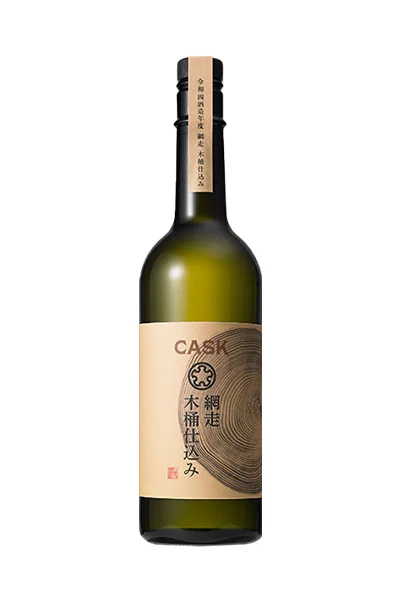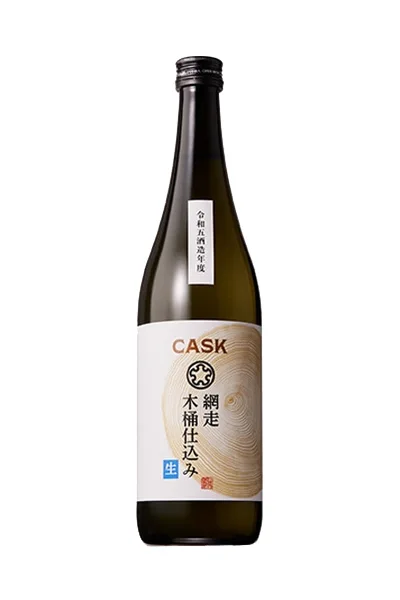
Abashiri Kioke Shikomi Hekiun-gura Jozo Junmai Ginjo Muroka Nama
網走 木桶仕込み 碧雲蔵醸造 純米吟醸 無濾過生酒Junmai ginjo, Ginpu rice polished to 55%, brewed in wooden vats, unfiltered (muroka), unpasteurized (nama)
Abashiri — Kamikawa Taisetsu Sake Brewery, Hokkaido
A balanced, pleasing finish and a smooth entry, blending the skill and spirit of the Hekiun-gura brewers in a new "Legacy" wooden-vat junmai ginjo.
Specifications
- Type
- Junmai Ginjo
- Rice
- Ginpu
- Rice polishing ratio
- 55%45% of each grain polished away
- Yeast
- Not disclosed
- Alcohol
- 16%
How to read these
- Type
- The grade printed on the label. It depends on the ingredients (rice only, or with a little distilled alcohol) and on how far the rice is polished. More
- Rice
- The rice variety. Most premium sake uses varieties grown for brewing, such as Yamada Nishiki. More
- Rice polishing ratio
- How much of each grain is left after polishing. A lower number means more was milled away, which usually gives a lighter, more aromatic sake. More
- Yeast
- The yeast strain, which shapes the aroma. More
- Alcohol
- Alcohol by volume. Most sake is 15–16%; undiluted (genshu) sake is often 17–18%. More
Flavor profile Full & complex
Full & complex — aromatic and full-bodied, including aged sake. Known in Japan as juku-shu (熟酒).
The 55% polished junmai ginjo and the description's emphasis on floral, fragrant aroma place it on the aromatic side. Umami, koku and the mellow character of wooden-tub brewing suggest a fuller body with moderate, restrained sweetness.
Estimated by AI from the published specifications and the brewery's description; your impression may differ.
About
[Message from Toji Wakayama] In 2022, we launched the Abashiri Kioke Project, which aims to revive traditional sake brewing and the vanishing culture of wooden vats in Hokkaido. Three years on, we are presenting our first junmai ginjo made as nama sake. For this release, we used the KA-1-01 strain, the original stock of Koro from Kumamoto Prefecture, the brewery where Kyokai No. 9 yeast originated. It was used in Hokkaido for the first time. The 2023 harvest (Reiwa 5) of Nagayama Ginpu sake rice was harder and less soluble than usual, so we struggled with koji making, shubo (yeast starter), and moromi (fermentation mash). We worked to understand this rice and to dissolve it as far as its firmness allowed, using a range of techniques. The result is a sake with the aroma, umami, and body characteristic of Ginpu. In addition, we combined the soft, mellow flavor unique to wooden vats with the bright, powerful fermentation of the KA-1-01 yeast. The Abashiri Kioke Project is carried out in partnership with the public-private initiative for the effective use of public land (RE-ENTRY project), the City of Abashiri, Abashiri Prison, and private companies and organizations. It promotes efforts to prevent reoffending and revitalize the local area.
Other sake from this brand 1
- Abashiri Kioke Shikomi Hekiun-gura Jozo網走 木桶仕込み・碧雲蔵醸造