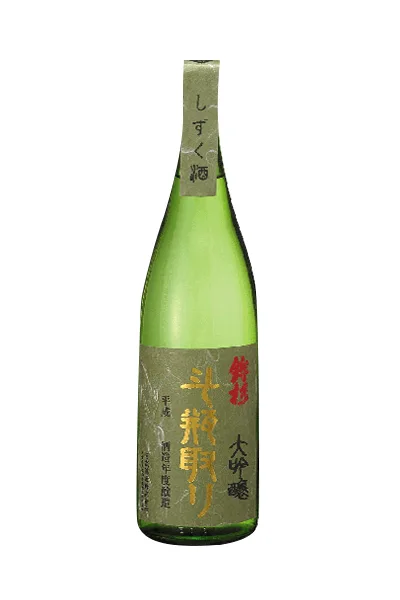
Hokosugi Daiginjo Tobin-dori Shizuku-zake
鉾杉 大吟醸 斗瓶取り しずく酒Daiginjo, collected in 18-litre bottles (tobin), drip-pressed from hanging bags (shizuku)
Hokosugi — Kawabu Jozo, Mie
Highly aromatic and fruity, with a crisp, dry palate and a refreshing finish.
Specifications
- Type
- Daiginjo
- Rice
- Not disclosed
- Yeast
- Not disclosed
- Alcohol
- 17%
- Sake meter value
- +0medium
How to read these
- Type
- The grade printed on the label. It depends on the ingredients (rice only, or with a little distilled alcohol) and on how far the rice is polished. More
- Rice
- The rice variety. Most premium sake uses varieties grown for brewing, such as Yamada Nishiki. More
- Yeast
- The yeast strain, which shapes the aroma. More
- Alcohol
- Alcohol by volume. Most sake is 15–16%; undiluted (genshu) sake is often 17–18%. More
- Sake meter value
- A sweet-to-dry scale. Plus is drier, minus is sweeter. Acidity changes how it tastes, so treat it as a rough guide. More
Flavor profile Aromatic & light
Aromatic & light — fruity, floral aroma with a light body. Known in Japan as kun-shu (薫酒).
The daiginjo classification and the description of high fruity ginjo aroma with a crisp dry palate place this sake in the aromatic, light kun quadrant. An SMV of 0 and 17% alcohol suggest moderate body and restrained sweetness.
Estimated by AI from the published specifications and the brewery's description; your impression may differ.
About
A limited release made from the drops that fall naturally, collected one by one. The aroma, often called ginjo-ka (the fruity aroma associated with ginjo sake), is high, and the palate and finish are refreshing and dry.
Other sake from this brand 7
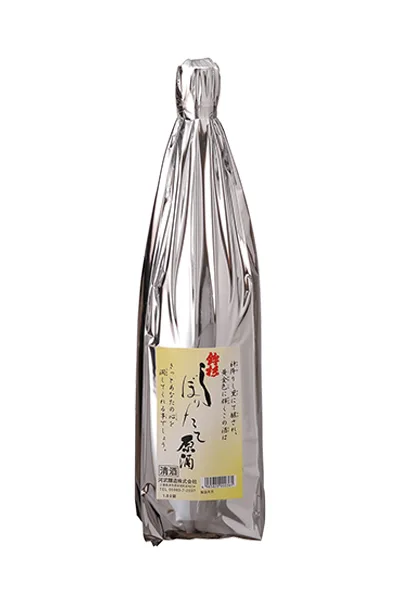
- Hokosugi Shiboritate Genshu鉾杉 しぼりたて 原酒
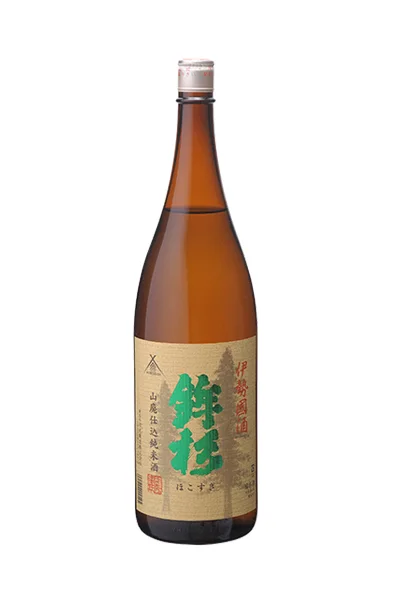
- Hokosugi Yamahai Shikomi Junmai sake鉾杉 山廃仕込 純米酒
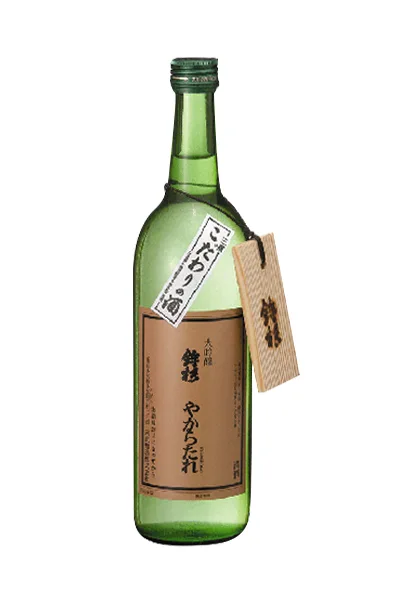
- Hokosugi Daiginjo Yakara Tare鉾杉 大吟醸 やからたれ
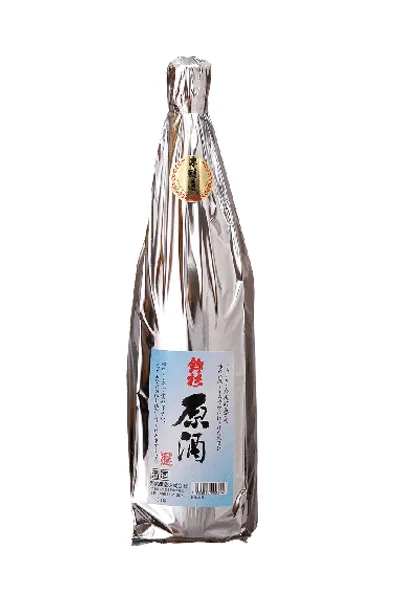
- Hokosugi Genshu鉾杉 原酒
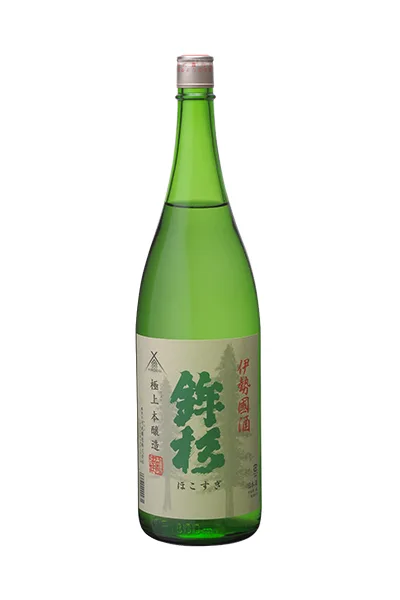
- Hokosugi Kiwami Honjozo鉾杉 極上 本醸造
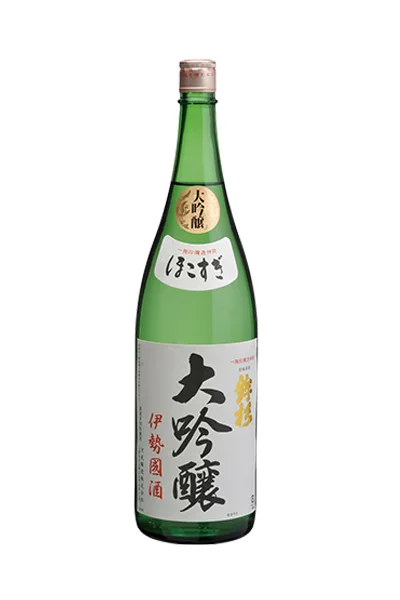
- Hokosugi Daiginjo鉾杉 大吟醸
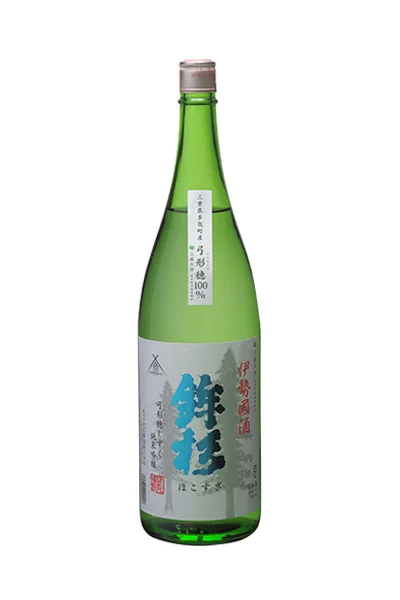
- Hokosugi Junmai Ginjo Yumigata-ho Shizuku鉾杉 純米吟醸 弓形穂 しずく