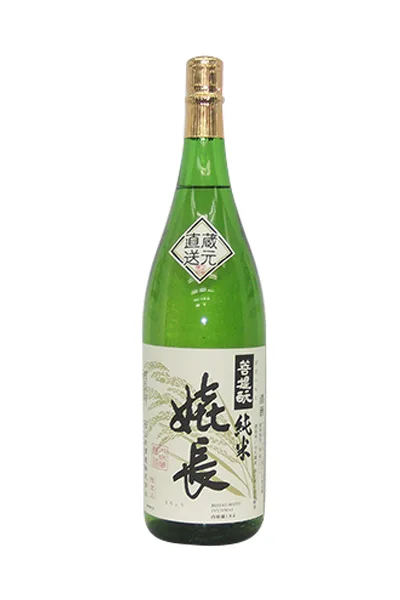
Kicho Bodaimoto Junmai
嬉長 菩提酛 純米Junmai, rice polished to 70%, bodaimoto starter
Kicho — Ueda Shuzo, Nara
Bodaimoto (traditional yeast starter), the origin of sake brewing, returns after 500 years
Specifications
- Type
- Junmai Shu
- Rice
- Not disclosed
- Rice polishing ratio
- 70%30% of each grain polished away
- Yeast
- Unknown
- Alcohol
- 16%
How to read these
- Type
- The grade printed on the label. It depends on the ingredients (rice only, or with a little distilled alcohol) and on how far the rice is polished. More
- Rice
- The rice variety. Most premium sake uses varieties grown for brewing, such as Yamada Nishiki. More
- Rice polishing ratio
- How much of each grain is left after polishing. A lower number means more was milled away, which usually gives a lighter, more aromatic sake. More
- Yeast
- The yeast strain, which shapes the aroma. More
- Alcohol
- Alcohol by volume. Most sake is 15–16%; undiluted (genshu) sake is often 17–18%. More
Flavor profile Rich & umami
RestrainedAromatic
RichLight
Rich & umami — rice-driven umami and a fuller body. Known in Japan as jun-shu (醇酒).
The 70% polishing ratio and junmai style point to restrained aroma, while the description of a rich, substantial palate and sweet style supports a full body and high sweetness. The 16% alcohol adds moderate weight.
Estimated by AI from the published specifications and the brewery's description; your impression may differ.
About
A sweet-style sake with a rich, full-bodied palate.
Other sake from this brand 7
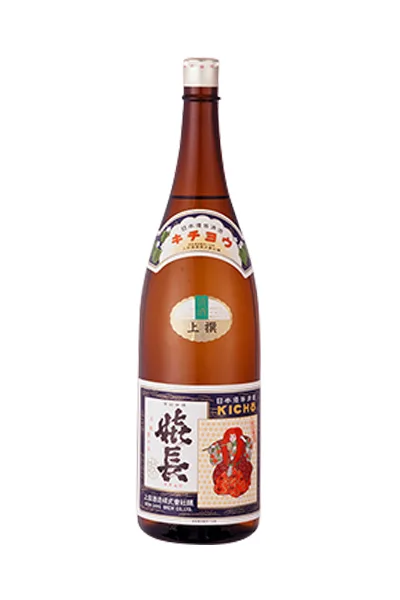
- Kicho Josen嬉長 上撰
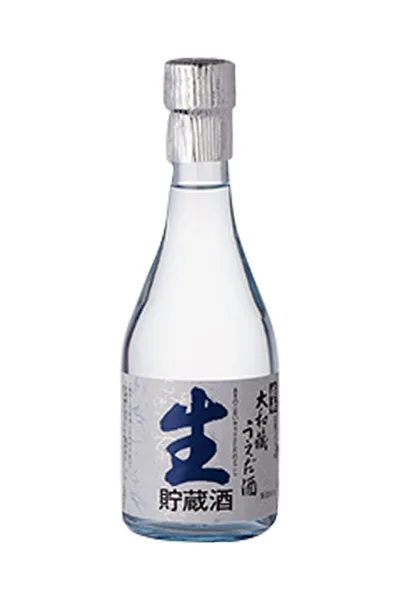
- Kicho Yamato Kura Ueda Shu Namachozo嬉長 大和蔵 うえだ酒 生貯蔵酒
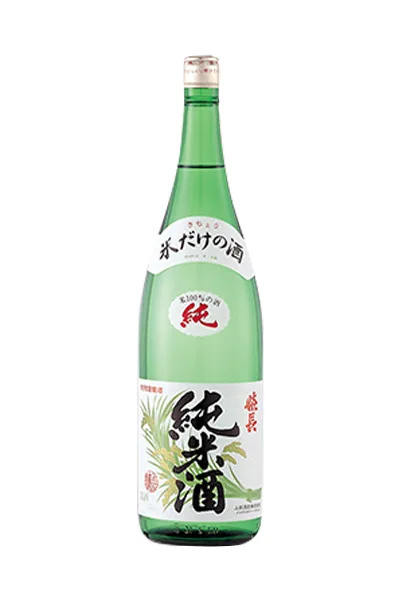
- Kicho Junmai sake嬉長 純米酒
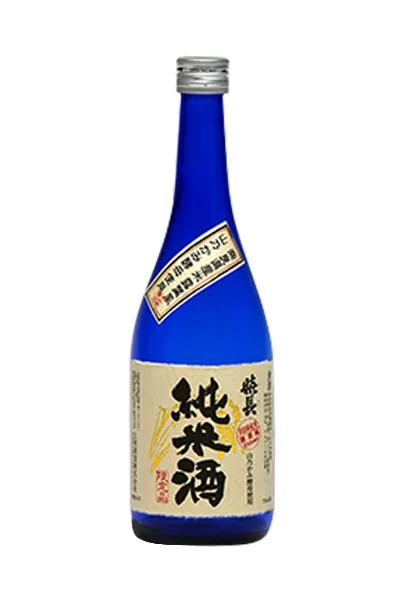
- Kicho Yamanokami Junmai sake嬉長 山乃かみ 純米酒
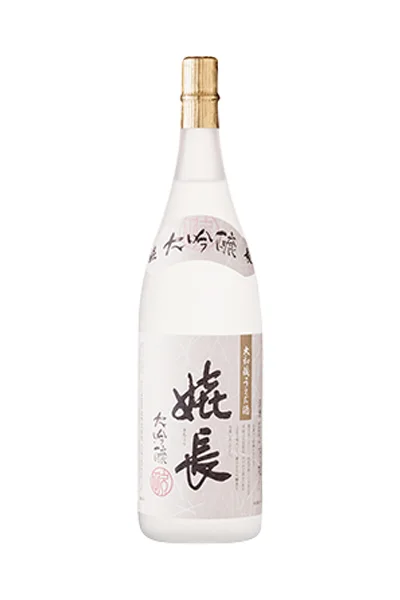
- Kicho Daiginjo嬉長 大吟醸
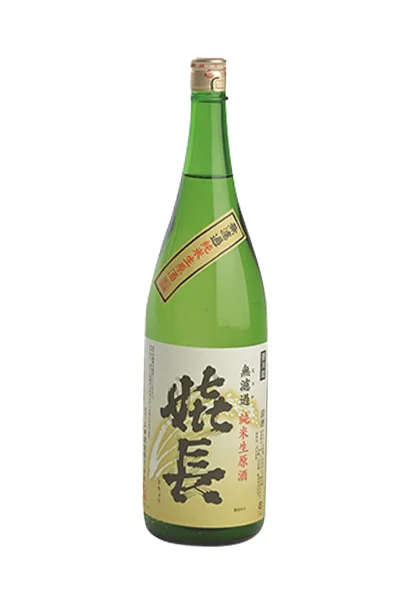
- Kicho Muroka Junmai Nama Genshu嬉長 無濾過 純米 生原酒
- Kicho Junmai Ginjo嬉長 純米吟醸