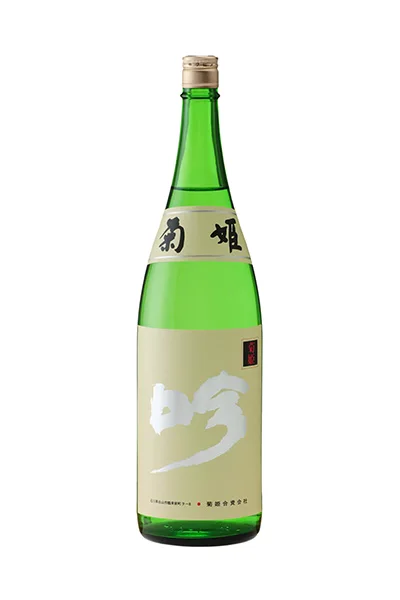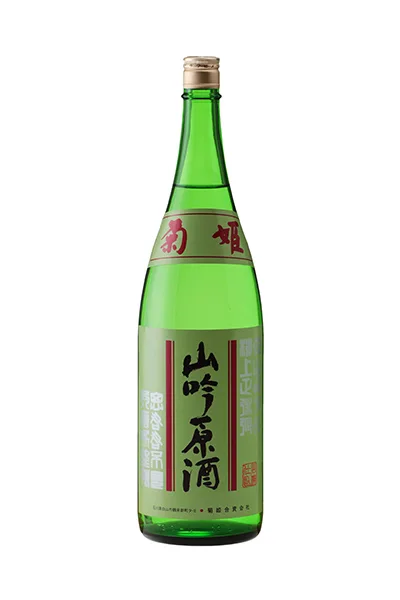
Kikuhime Sangin Genshu
菊姫 山吟原酒Ginjo, Yamada Nishiki rice polished to 55%, undiluted (genshu)
Freshly made yamahai ginjo, bottled straight from the tank without dilution
Specifications
- Type
- Ginjo
- Rice
- Yamada Nishiki
- Rice polishing ratio
- 55%45% of each grain polished away
- Yeast
- Not disclosed
- Alcohol
- 18%
- Sake meter value
- +5dry
- Acidity
- 1.3
How to read these
- Type
- The grade printed on the label. It depends on the ingredients (rice only, or with a little distilled alcohol) and on how far the rice is polished. More
- Rice
- The rice variety. Most premium sake uses varieties grown for brewing, such as Yamada Nishiki. More
- Rice polishing ratio
- How much of each grain is left after polishing. A lower number means more was milled away, which usually gives a lighter, more aromatic sake. More
- Yeast
- The yeast strain, which shapes the aroma. More
- Alcohol
- Alcohol by volume. Most sake is 15–16%; undiluted (genshu) sake is often 17–18%. More
- Sake meter value
- A sweet-to-dry scale. Plus is drier, minus is sweeter. Acidity changes how it tastes, so treat it as a rough guide. More
- Acidity
- Total acid. Higher tends to taste fuller and drier; lower tastes lighter and sweeter. More
Flavor profile Full & complex
Full & complex — aromatic and full-bodied, including aged sake. Known in Japan as juku-shu (熟酒).
The yamahai-brewed ginjo at 55% polishing, genshu at 18% and SMV +5 point to moderate aroma with a full, dry body, and the description's strong acidity and richness place it in the juku type. Sweetness stays low given the dry SMV and the richness comes mainly from the undiluted, yamahai-driven character.
Estimated by AI from the published specifications and the brewery's description; your impression may differ.
About
In sake brewing, there is a process called shubo (yeast starter), in which the yeast is cultivated. Yamahai is one method of making shubo. As yeast and lactic acid bacteria grow together, the sake takes on a sturdy character with strong acidity and richness.
Other sake from this brand 24
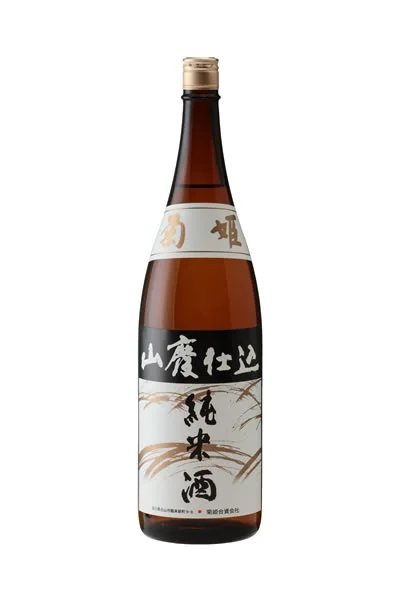
- Kikuhime Yamahai Junmai sake菊姫 山廃純米酒
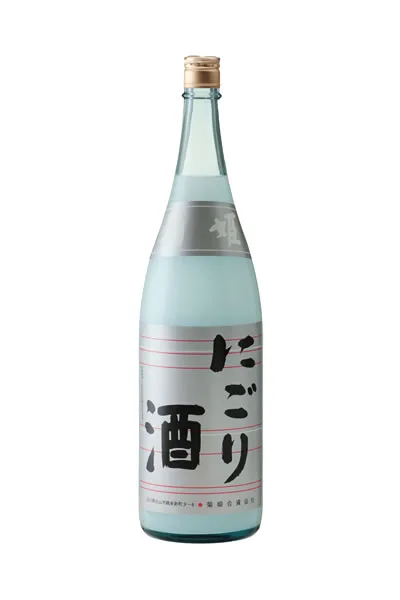
- Kikuhime Nigori菊姫 にごり酒
- Kikuhime B.Y. Daiginjo菊姫 B.Y.大吟醸
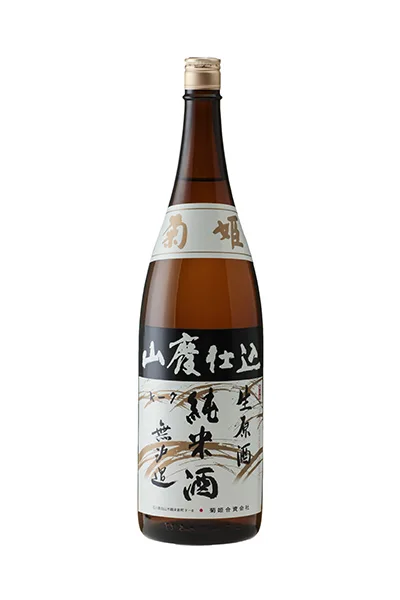
- Kikuhime Yamahai Junmai Muroka Nama Genshu菊姫 山廃純米無濾過生原酒
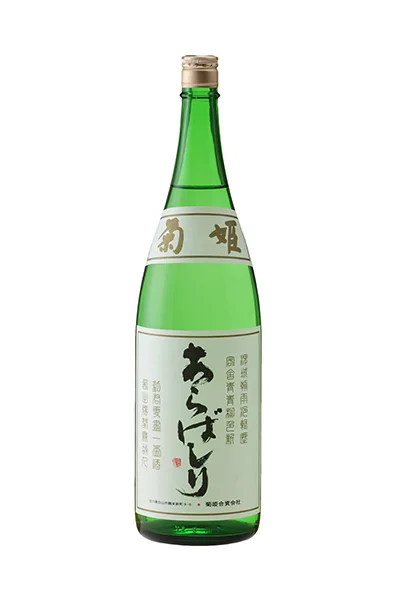
- Kikuhime Ginjo Arabashiri菊姫 吟醸あらばしり
- Kikuhime Tokusen Junmai菊姫 特撰純米
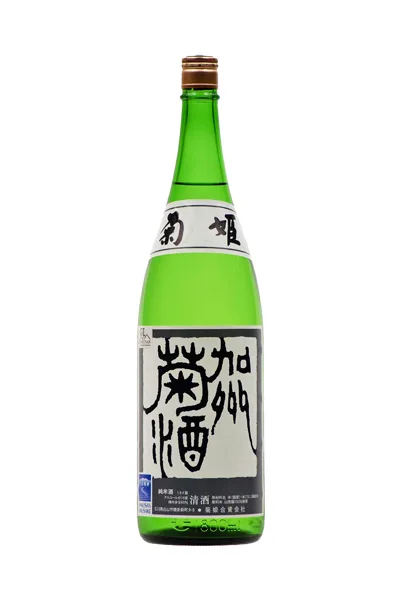
- Kikuhime Kashu Kikushu菊姫 加州菊酒
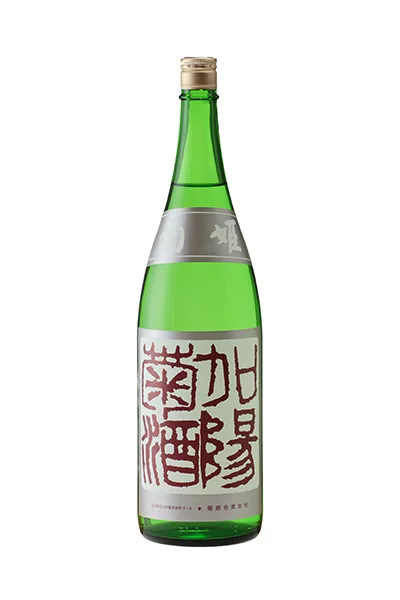
- Kikuhime Kayo Kikuzake菊姫 加陽菊酒
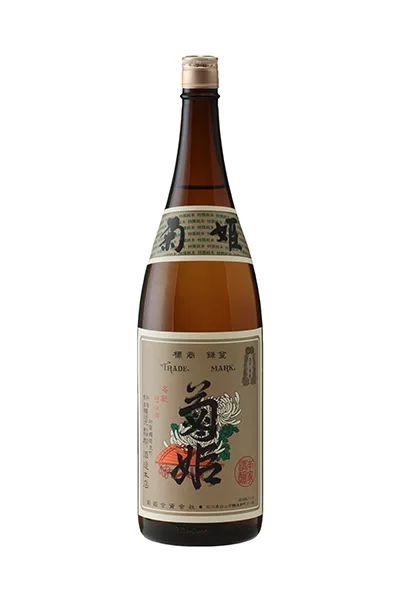
- Kikuhime Kiku菊姫 菊
- Kikuhime Kinken菊姫 金劒
- Kikuhime Ginjo菊姫 吟
- Kikuhime Kukurihime菊姫 菊理媛