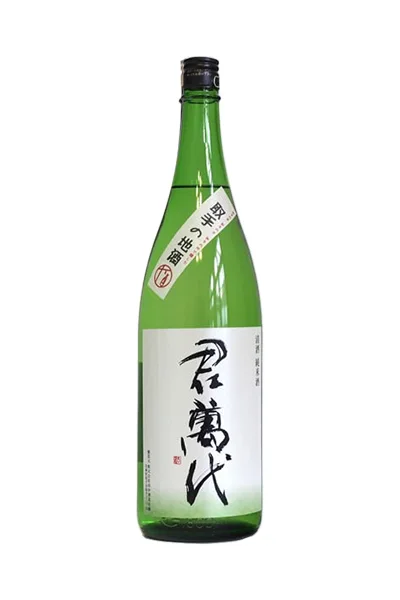
Kimibandai Junmai Ginjo Neko Label
君萬代 純米吟醸 ねこラベルJunmai ginjo, rice polished to 55%
Kimibandai — Tanaka Shuzoten, Ibaraki
How far can rice grown in Toride take us? A local sake pursued by a brewer determined to keep reaching higher.
Specifications
- Type
- Junmai Ginjo
- Rice
- Not disclosed
- Rice polishing ratio
- 55%45% of each grain polished away
- Yeast
- Not disclosed
- Alcohol
- 15%
How to read these
- Type
- The grade printed on the label. It depends on the ingredients (rice only, or with a little distilled alcohol) and on how far the rice is polished. More
- Rice
- The rice variety. Most premium sake uses varieties grown for brewing, such as Yamada Nishiki. More
- Rice polishing ratio
- How much of each grain is left after polishing. A lower number means more was milled away, which usually gives a lighter, more aromatic sake. More
- Yeast
- The yeast strain, which shapes the aroma. More
- Alcohol
- Alcohol by volume. Most sake is 15–16%; undiluted (genshu) sake is often 17–18%. More
Flavor profile Aromatic & light
Aromatic & light — fruity, floral aroma with a light body. Known in Japan as kun-shu (薫酒).
A 55% polished junmai ginjo with 15% alcohol points to a moderate ginjo aroma and a light-to-medium body. The mild sweetness and modest richness suit a fragrant, approachable kun-type profile.
Estimated by AI from the published specifications and the brewery's description; your impression may differ.
About
This sake shows how much the flavor of the same rice can change with the rice polishing ratio and brewing method, and demonstrates that the future of sake still has much more to unfold. It can be enjoyed chilled, at room temperature, or lukewarm (nurukan).
Other sake from this brand 6
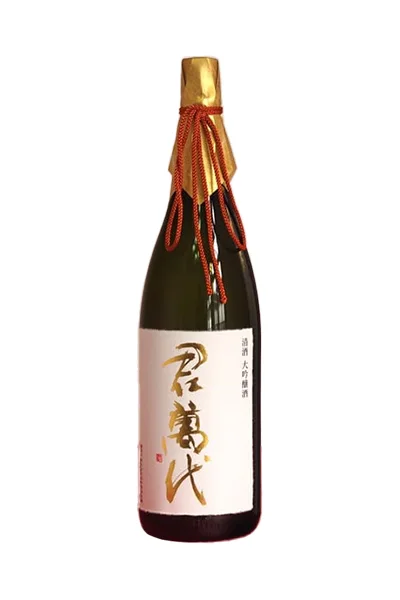
- Kimibandai Daiginjo君萬代 大吟醸
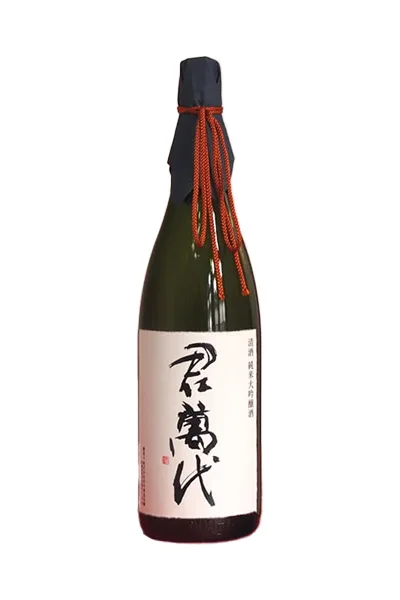
- Kimibandai Junmai Daiginjo君萬代 純米大吟醸
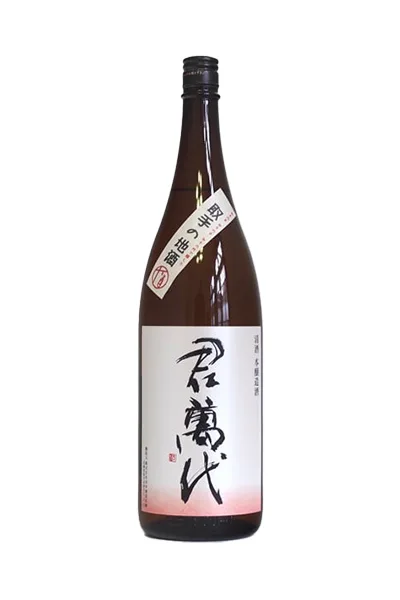
- Kimibandai Honjozo君萬代 本醸造
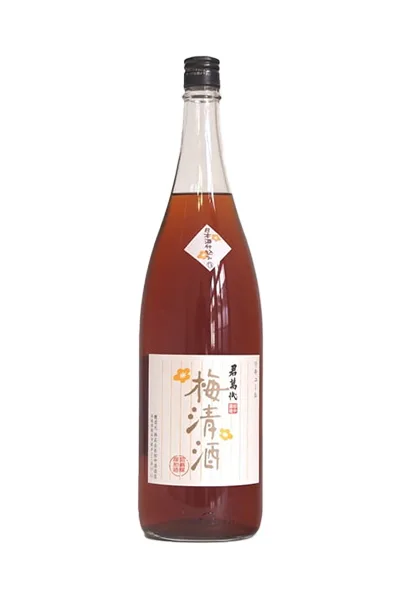
- Kimibandai Ume Seishu君萬代 梅清酒
- Kimibandai Junmai sake君萬代 純米酒
- Kimibandai Nigori Sake君萬代 にごり酒