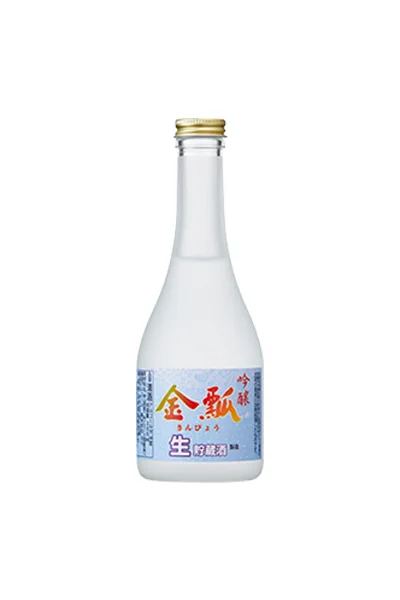
Kimpyo Ginjo Namachozo
金瓢 吟醸生貯蔵酒Ginjo, Gohyakumangoku rice polished to 60%, stored unpasteurized (namachozo)
Kimpyo — Matsui Shuzo, Kyoto
A sake of Gion
Specifications
- Type
- Ginjo
- Rice
- Gohyakumangoku
- Rice polishing ratio
- 60%40% of each grain polished away
- Yeast
- Not disclosed
- Alcohol
- 15%
How to read these
- Type
- The grade printed on the label. It depends on the ingredients (rice only, or with a little distilled alcohol) and on how far the rice is polished. More
- Rice
- The rice variety. Most premium sake uses varieties grown for brewing, such as Yamada Nishiki. More
- Rice polishing ratio
- How much of each grain is left after polishing. A lower number means more was milled away, which usually gives a lighter, more aromatic sake. More
- Yeast
- The yeast strain, which shapes the aroma. More
- Alcohol
- Alcohol by volume. Most sake is 15–16%; undiluted (genshu) sake is often 17–18%. More
Flavor profile Aromatic & light
Aromatic & light — fruity, floral aroma with a light body. Known in Japan as kun-shu (薫酒).
The ginjo grade, 60% polishing ratio and namachozo storage point to a fresh, aromatic profile, while 15% alcohol keeps the body light, placing it in the aromatic and light kun style with moderate sweetness.
Estimated by AI from the published specifications and the brewery's description; your impression may differ.
About
A brand that has been loved in Kyoto for a long time. It is used by yudofu (tofu simmered in hot water) restaurants. The Kimpyo brand was born in 1810 (Bunka 7) at Akiyama Shuzo, on the banks of the Shirakawa in Gion, Kyoto. Its name is derived from the Sennari Hyotan gourd loved by Toyotomi Hideyoshi. Through a connection, Matsui took over the brewing and carries on the tradition.
Other sake from this brand 1
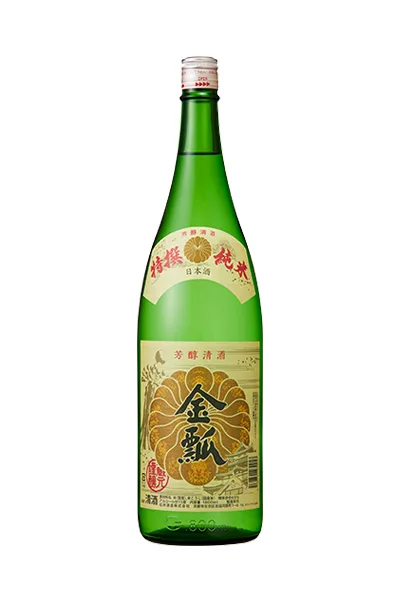
- Kimpyo Tokusen Junmai金瓢 特撰純米