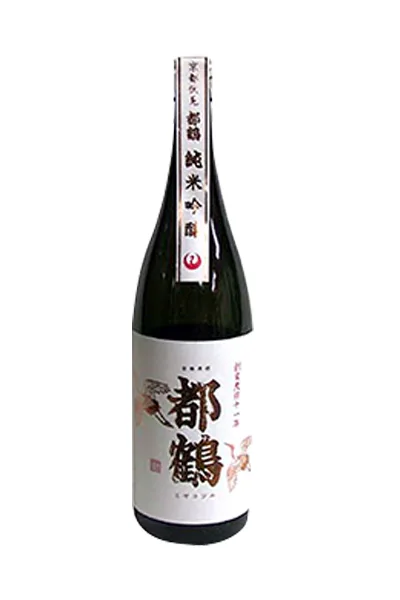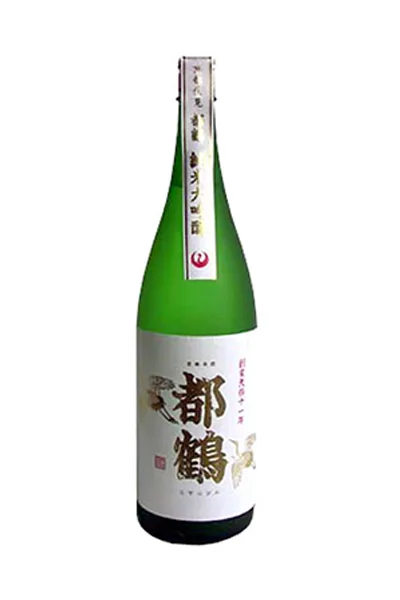
Miyakotsuru Junmai Daiginjo
都鶴 純米大吟醸Junmai daiginjo, rice polished to 50%
Miyakotsuru — Miyakotsuru Shuzo, Kyoto
A gentle ginjo aroma with a firm, dry palate.
Specifications
- Type
- Junmai Daiginjo
- Rice
- Not disclosed
- Rice polishing ratio
- 50%50% of each grain polished away
- Yeast
- Not disclosed
- Alcohol
- 15%
- Sake meter value
- +1medium
- Acidity
- 1.8
How to read these
- Type
- The grade printed on the label. It depends on the ingredients (rice only, or with a little distilled alcohol) and on how far the rice is polished. More
- Rice
- The rice variety. Most premium sake uses varieties grown for brewing, such as Yamada Nishiki. More
- Rice polishing ratio
- How much of each grain is left after polishing. A lower number means more was milled away, which usually gives a lighter, more aromatic sake. More
- Yeast
- The yeast strain, which shapes the aroma. More
- Alcohol
- Alcohol by volume. Most sake is 15–16%; undiluted (genshu) sake is often 17–18%. More
- Sake meter value
- A sweet-to-dry scale. Plus is drier, minus is sweeter. Acidity changes how it tastes, so treat it as a rough guide. More
- Acidity
- Total acid. Higher tends to taste fuller and drier; lower tastes lighter and sweeter. More
Flavor profile Full & complex
RestrainedAromatic
RichLight
Full & complex — aromatic and full-bodied, including aged sake. Known in Japan as juku-shu (熟酒).
The text's gentle ginjo aroma and firm dry palate, together with SMV +1 and acidity 1.8, point to a moderately dry, structured sake. Aroma sits slightly above center and body slightly full, placing it just on the juku side of the map.
Estimated by AI from the published specifications and the brewery's description; your impression may differ.
About
Its moderate acidity and clean finish make it a good choice as a food sake (shokuchu-shu).
Other sake from this brand 4
- Miyakotsuru Junmai Ginjo都鶴 純米吟醸
- Miyakotsuru Unagi no Nedoko都鶴 うなぎのねどこ
- Miyakotsuru Kyoto Chiku Gentei Hanbaishu都鶴 京都地区限定販売酒