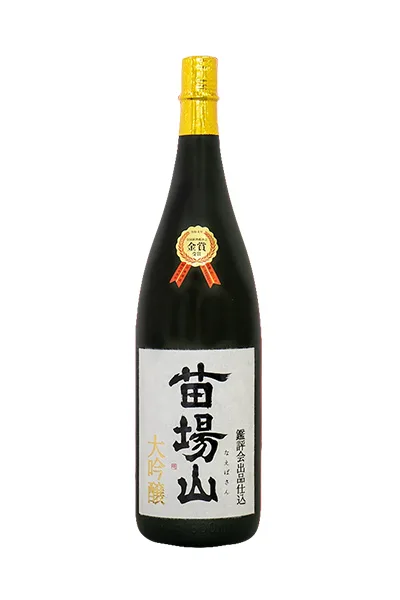
Naebasan Daiginjo Kanpyokai Shuppin Shikomi
苗場山 大吟醸 鑑評会出品仕込Daiginjo, Yamada Nishiki rice polished to 38%, brewed for competition entry
Naebasan — Naeba Shuzo, Niigata
A gold-award daiginjo from the 2022 Shinshu Kanpyokai (new sake appraisal), brewed in the Reiwa 3 brewing year.
Specifications
- Type
- Daiginjo
- Rice
- Yamada Nishiki
- Rice polishing ratio
- 38%62% of each grain polished away
- Yeast
- Mutenka
- Alcohol
- 17%
- Sake meter value
- +5dry
- Acidity
- 1.2
How to read these
- Type
- The grade printed on the label. It depends on the ingredients (rice only, or with a little distilled alcohol) and on how far the rice is polished. More
- Rice
- The rice variety. Most premium sake uses varieties grown for brewing, such as Yamada Nishiki. More
- Rice polishing ratio
- How much of each grain is left after polishing. A lower number means more was milled away, which usually gives a lighter, more aromatic sake. More
- Yeast
- The yeast strain, which shapes the aroma. More
- Alcohol
- Alcohol by volume. Most sake is 15–16%; undiluted (genshu) sake is often 17–18%. More
- Sake meter value
- A sweet-to-dry scale. Plus is drier, minus is sweeter. Acidity changes how it tastes, so treat it as a rough guide. More
- Acidity
- Total acid. Higher tends to taste fuller and drier; lower tastes lighter and sweeter. More
Flavor profile Aromatic & light
Aromatic & light — fruity, floral aroma with a light body. Known in Japan as kun-shu (薫酒).
The daiginjo grade from 38% polished Yamada Nishiki, with the text's fragrant aroma and full rice umami, points to high aroma. SMV +5 and low acidity of 1.2 suggest a gently dry, soft, clean finish, placing it in the aromatic-light kun quadrant.
Estimated by AI from the published specifications and the brewery's description; your impression may differ.
About
Made with Yamada Nishiki, a sake rice polished to 38%, this competition entry brew was crafted with all the skill of the kurabito (brewery workers). It was made with great care from start to finish, and it offers the rich, round umami of the rice together with a bright, flowery aroma. [Recommended Ways to Enjoy] - Food pairing: seafood dishes - Recommended glassware: wine glass - Serving temperature: chilled (5°C) to hinata-kan (warmed to 30°C) [About Daiginjo] Sake made with rice polished to 50% or less and with brewer's alcohol added is called daiginjo. The lower the rice polishing ratio, the more of the grain is removed, leaving smaller and more delicate rice, which makes production very difficult. Yet it is precisely this difficulty that gives the brewer a chance to show their skill. By skillfully handling the delicate rice, the brewers draw out clean umami free of unwanted off-flavors. In addition, the brewer's alcohol, made mainly from sugarcane, gives the sake a light, crisp finish. Ginjo aroma compounds, which dissolve only in alcohol, blend more fully into the sake, allowing you to enjoy its fragrant aroma.
Other sake from this brand 7
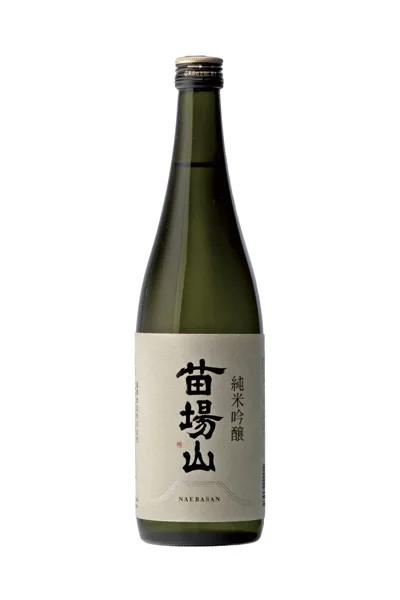
- Naebasan Junmai Ginjo苗場山 純米吟醸
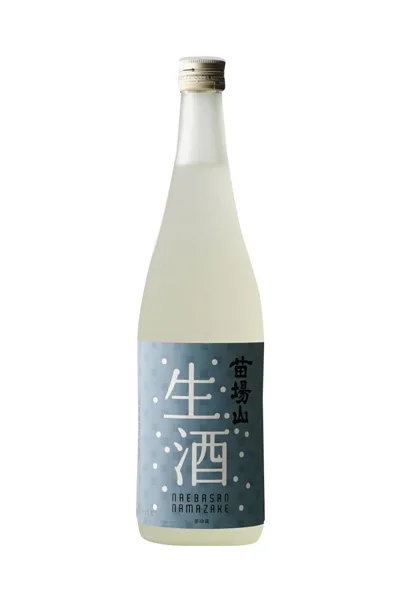
- Naebasan Namazake苗場山 生酒
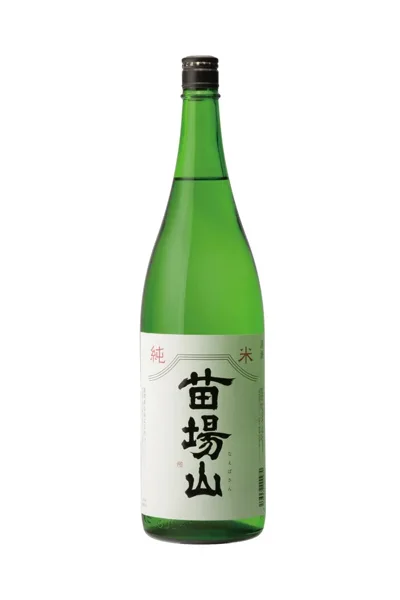
- Naebasan Junmai sake苗場山 純米酒
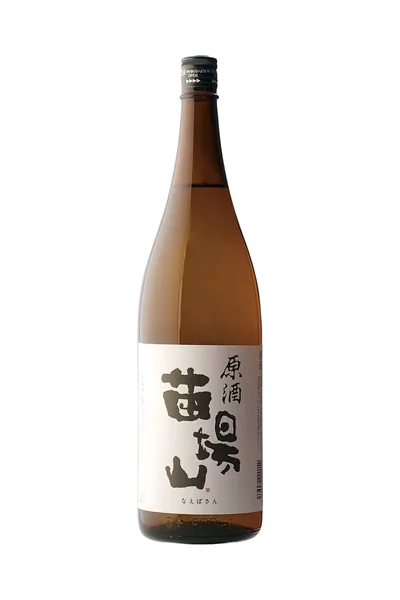
- Naebasan Genshu苗場山 原酒
- Naebasan Honjozo苗場山 本醸造
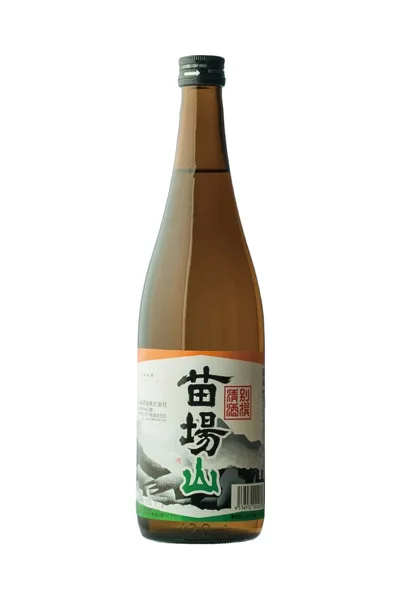
- Naebasan Bessen苗場山 別撰
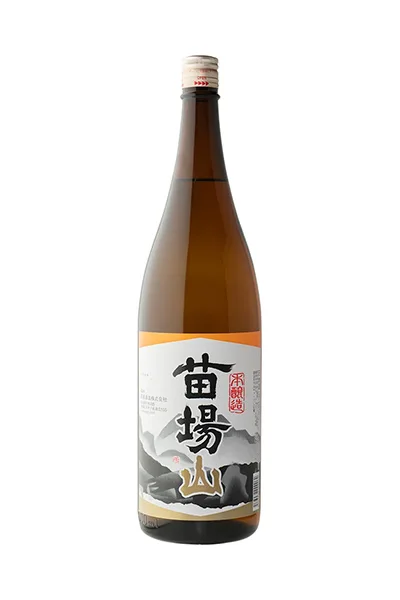
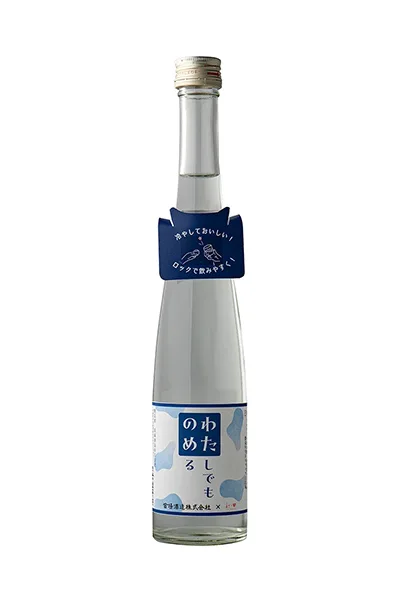
- Watashi Demo Nomeruわたしでものめる