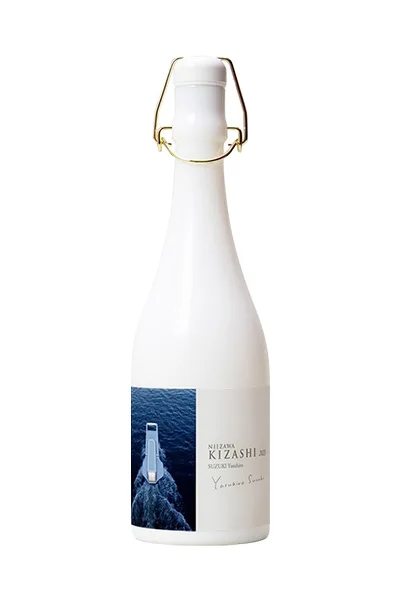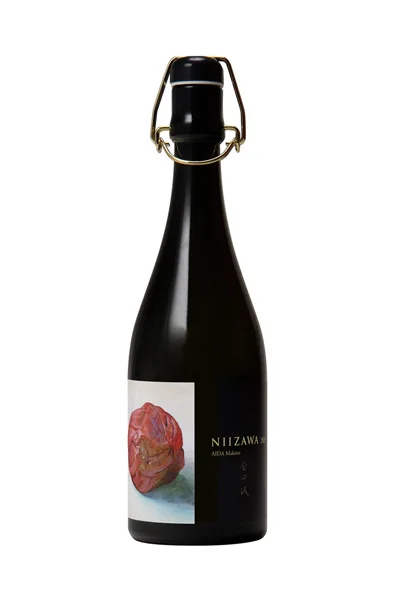
Niizawa Junmai Daiginjo
NIIZAWA 純米大吟醸Junmai daiginjo, Kura no Hana rice polished to 7%, sparkling
Niizawa — Niizawa Jozoten, Miyagi
Taste the natural sweetness of the rice, with a lingering finish that rewards a slow, unhurried sip.
Specifications
- Type
- Junmai Daiginjo
- Rice
- Kura no Hana
- Rice polishing ratio
- 7%93% of each grain polished away
- Yeast
- Not disclosed
- Alcohol
- 16%
- Sake meter value
- +0medium
- Acidity
- 1.5
How to read these
- Type
- The grade printed on the label. It depends on the ingredients (rice only, or with a little distilled alcohol) and on how far the rice is polished. More
- Rice
- The rice variety. Most premium sake uses varieties grown for brewing, such as Yamada Nishiki. More
- Rice polishing ratio
- How much of each grain is left after polishing. A lower number means more was milled away, which usually gives a lighter, more aromatic sake. More
- Yeast
- The yeast strain, which shapes the aroma. More
- Alcohol
- Alcohol by volume. Most sake is 15–16%; undiluted (genshu) sake is often 17–18%. More
- Sake meter value
- A sweet-to-dry scale. Plus is drier, minus is sweeter. Acidity changes how it tastes, so treat it as a rough guide. More
- Acidity
- Total acid. Higher tends to taste fuller and drier; lower tastes lighter and sweeter. More
Flavor profile Full & complex
Full & complex — aromatic and full-bodied, including aged sake. Known in Japan as juku-shu (熟酒).
A 7% polishing ratio, SMV 0 and descriptions of pronounced rice sweetness, koji-derived umami and a long finish point to a rich, mature style. Aroma is moderate and rice-led rather than fruity, which places it in the juku quadrant with medium-high sweetness.
Estimated by AI from the published specifications and the brewery's description; your impression may differ.
About
Released in 2015 as a sake collaborating with contemporary art, NIIZAWA has since been produced each year with the cooperation of various artists. Highly polished rice makes koji production extremely difficult and limits the koji-derived umami that can be drawn out. However, NIIZAWA succeeded in extracting roughly twice the rice umami of Zankyo Super7 (残響Super7), another 7% polished sake, making it a technically accomplished bottle. Storing it refrigerated allows it to mature beautifully. As the pinnacle of the 7% polishing series, which began with the guiding principle of delivering the world's finest polish, this limited release is produced at only 1,000 bottles per year. (The label changes every year.) 2023 Art Work Makoto Aida, 'Aikoku ga tomaranai' (2021) ---- Makoto Aida (Aida Makoto) Born in Niigata Prefecture in 1965. Completed the graduate program in Fine Arts at Tokyo University of the Arts in 1991. Moving freely between schoolgirls, war paintings, office workers, and the boundaries of society, history, the contemporary and the premodern, East and West, his style presents unconventional contrasts and sharp critique, earning strong support across generations. His work spans painting, photography, video, sculpture and performance, both in Japan and abroad. Recent books include the novel 'Geisai' (Bungeishunju, 2020) and the essay collection 'Sei to geijutsu' (Gentosha, 2022). Recent major solo exhibitions include 'Tensai de gomennasai' (Mori Art Museum, Tokyo, 2012-13), 'Kangaenai hito' (Chateau des Ducs de Bretagne, France, 2014), 'GROUND NO PLAN' (Aoyama Crystal Building, Tokyo, 2018), and 'Aikoku ga tomaranai' (Mizuma Art Gallery, Tokyo, 2021). Awards - Singapore Sake Challenge 2023, Gold: NIIZAWA 2021 - Singapore Sake Challenge 2023, Gold: NIIZAWA 2022 - U.S. National Sake Appraisal 2023, Daiginjo A Category, Gold: NIIZAWA 2022 - Kura Master 2023, Gold - U.S. National Sake Appraisal 2022, Gold - Spanish Spirits International Competition, Silver - Oriental Sake Awards 2022, Silver - International Wine Challenge 2022, Junmai Daiginjo category, Silver
Other sake from this brand 1
- Niizawa Kizashi Junmai DaiginjoNIIZAWA KIZASHI 純米大吟醸