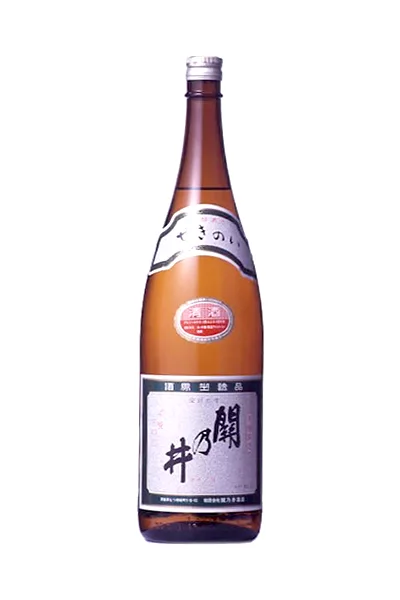
Mujirushi Sekinoi
無印 関乃井Futsushu (table sake), Masshigura rice polished to 60%
Sekinoi — Sekinoi Shuzo, Aomori
The everyday sake that locals never tire of
Specifications
- Type
- Futsushu
- Rice
- Masshigura
- Rice polishing ratio
- 60%40% of each grain polished away
- Yeast
- Kyokai No. 701
- Alcohol
- 15%
- Sake meter value
- +2slightly dry
- Acidity
- 1.3
How to read these
- Type
- The grade printed on the label. It depends on the ingredients (rice only, or with a little distilled alcohol) and on how far the rice is polished. More
- Rice
- The rice variety. Most premium sake uses varieties grown for brewing, such as Yamada Nishiki. More
- Rice polishing ratio
- How much of each grain is left after polishing. A lower number means more was milled away, which usually gives a lighter, more aromatic sake. More
- Yeast
- The yeast strain, which shapes the aroma. More
- Alcohol
- Alcohol by volume. Most sake is 15–16%; undiluted (genshu) sake is often 17–18%. More
- Sake meter value
- A sweet-to-dry scale. Plus is drier, minus is sweeter. Acidity changes how it tastes, so treat it as a rough guide. More
- Acidity
- Total acid. Higher tends to taste fuller and drier; lower tastes lighter and sweeter. More
Flavor profile Rich & umami
RestrainedAromatic
RichLight
Rich & umami — rice-driven umami and a fuller body. Known in Japan as jun-shu (醇酒).
The 60% polishing ratio, SMV +2 and low acidity of 1.3 point to a restrained aroma and a soft, mildly sweet, rounded body. The description of warm or chilled service suggests a versatile everyday sake.
Estimated by AI from the published specifications and the brewery's description; your impression may differ.
About
In Shimokita, locals say that if you order sake, this is what you will be served, so well loved is this classic brew. Enjoy it warmed (kan) or chilled. It pairs well with the mountain and sea bounty of Shimokita.
Other sake from this brand 1
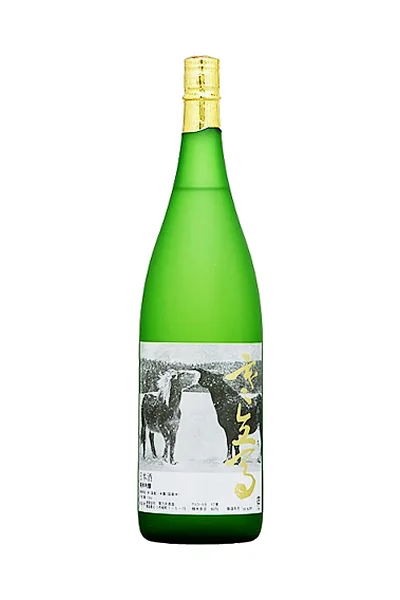
- Sekinoi Junmai Ginjo Kandachime関乃井 純米吟醸 寒立馬