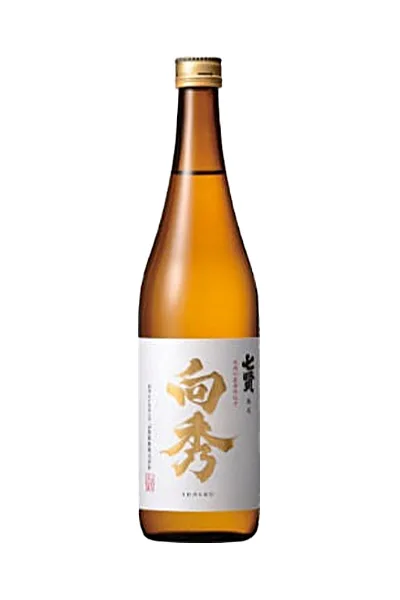
Shichiken Koshu
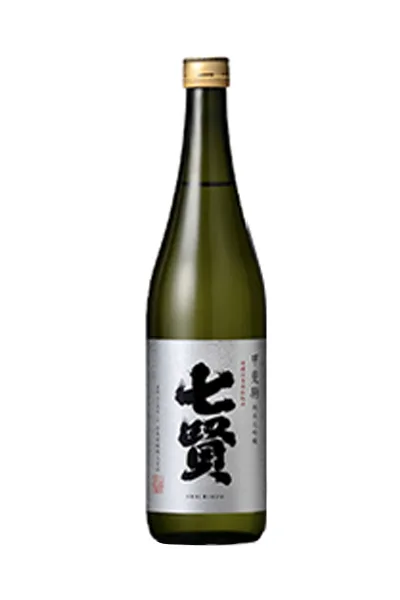
七賢 向秀Junmai, rice polished to 70%
Shichiken — Yamanashi Meijo, Yamanashi
Brewery-exclusive namazake from the Shichikenjin series
Specifications
- Type
- Junmai Shu
- Rice
- Not disclosed
- Rice polishing ratio
- 70%30% of each grain polished away
- Yeast
- Not disclosed
- Alcohol
- 15%
How to read these
- Type
- The grade printed on the label. It depends on the ingredients (rice only, or with a little distilled alcohol) and on how far the rice is polished. More
- Rice
- The rice variety. Most premium sake uses varieties grown for brewing, such as Yamada Nishiki. More
- Rice polishing ratio
- How much of each grain is left after polishing. A lower number means more was milled away, which usually gives a lighter, more aromatic sake. More
- Yeast
- The yeast strain, which shapes the aroma. More
- Alcohol
- Alcohol by volume. Most sake is 15–16%; undiluted (genshu) sake is often 17–18%. More
Flavor profile Clean & dry
Clean & dry — restrained aroma, crisp and refreshing. Known in Japan as so-shu (爽酒).
The 70% polishing junmai at 15% alcohol, bottled unpasteurized for freshness, suggests restrained, lively aroma and a light-to-medium body with gentle rice flavor and moderate sweetness.
Estimated by AI from the published specifications and the brewery's description; your impression may differ.
About
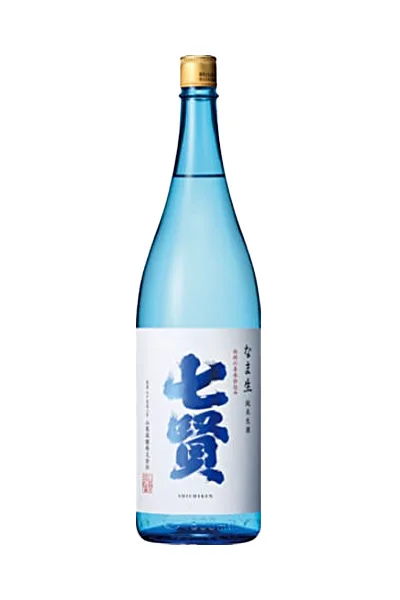
Seven namazake (unpasteurized sake), named after the Seven Sages of the Bamboo Grove (Chikurin no Shichikenjin), ranging from junmai daiginjo to honjozo. Freshly pressed shiboritate new sake is bottled without pasteurization (hiire), preserving its fresh character. This limited namazake is available only at the brewery.
Other sake from this brand 23
- Shichiken Namanama ◎七賢 なま生 ◎
- Shichiken Kaikoma七賢 甲斐駒
- Shichiken Namanama Junmai Namazake七賢 なま生 純米生酒
- Shichiken Daichuya七賢 大中屋
- Shichiken Kansan Shinku Shibu七賢 甘酸辛苦渋
- Shichiken Kinu no Aji七賢 絹の味
- Shichiken Keikou七賢 嵇康
- Shichiken Genkan七賢 阮咸
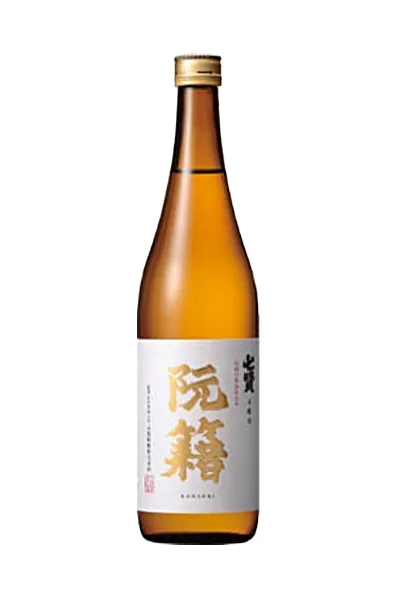
- Shichiken Genseki七賢 阮籍
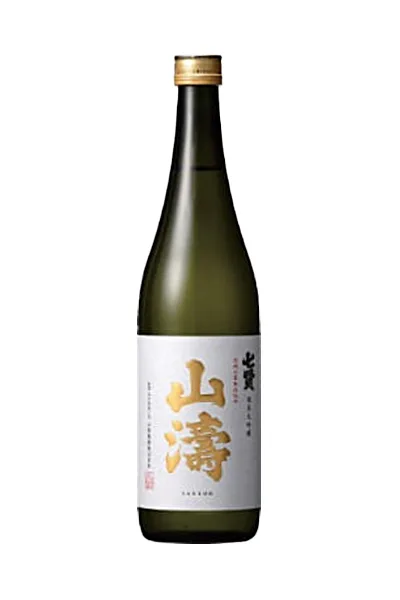
- Shichiken Santo七賢 山濤
- Shichiken Tobin Gakoi七賢 斗瓶囲い
- Shichiken Birodo no Aji七賢 天鵞絨の味