Shinkame Junmai sake Joso Nakagumi
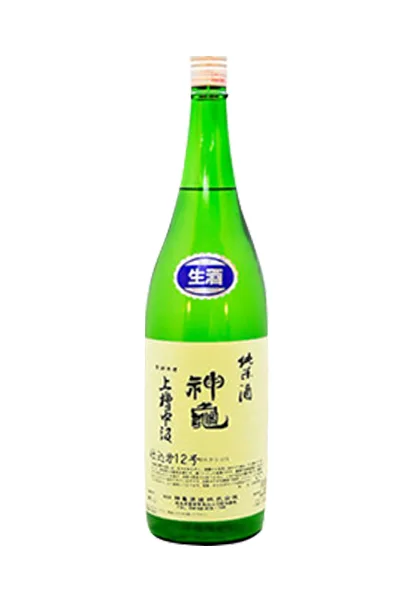
神亀 純米酒 上槽中汲Junmai, Yamada Nishiki rice polished to 55%, middle cut of the pressing (nakadori)
Shinkame — Shinkame Brewery, Saitama
A light, easy-drinking junmai sake with a rich depth of flavor.
Specifications
- Type
- Junmai Shu
- Rice
- Yamada Nishiki
- Rice polishing ratio
- 55%45% of each grain polished away
- Yeast
- Kyokai No. 9
- Alcohol
- 17–18%
- Sake meter value
- +3–+4dry
- Acidity
- 1.3
How to read these
- Type
- The grade printed on the label. It depends on the ingredients (rice only, or with a little distilled alcohol) and on how far the rice is polished. More
- Rice
- The rice variety. Most premium sake uses varieties grown for brewing, such as Yamada Nishiki. More
- Rice polishing ratio
- How much of each grain is left after polishing. A lower number means more was milled away, which usually gives a lighter, more aromatic sake. More
- Yeast
- The yeast strain, which shapes the aroma. More
- Alcohol
- Alcohol by volume. Most sake is 15–16%; undiluted (genshu) sake is often 17–18%. More
- Sake meter value
- A sweet-to-dry scale. Plus is drier, minus is sweeter. Acidity changes how it tastes, so treat it as a rough guide. More
- Acidity
- Total acid. Higher tends to taste fuller and drier; lower tastes lighter and sweeter. More
Flavor profile Rich & umami
Rich & umami — rice-driven umami and a fuller body. Known in Japan as jun-shu (醇酒).
A 55% Yamada Nishiki junmai at 17-18% alcohol, described as unfiltered with concentrated fresh rice umami, points to restrained aroma and a fuller body. Its SMV of 3-4, low acidity of 1.3 and gently sweet texture suggest mild sweetness, placing it in the jun quadrant.
Estimated by AI from the published specifications and the brewery's description; your impression may differ.
About
Without applying any pressure, this sake was allowed to flow naturally from the fune (traditional press), and it has been generously bottled as a richly flavored junmai sake. It is slightly cloudy because it has not been filtered or heat-pasteurized at all, and it contains lees sediment. This is a true funeguchi (the first sake to run from the press). It has a smooth outline, and the fresh umami of the rice is concentrated. Chilled, it is gently sweet and mild, but when lightly warmed (kan), the flavor swells and a robust acidity comes through. Nurukan (lukewarm) through kanzamashi (warmed sake cooled to room temperature) are also highly recommended.
Other sake from this brand 15
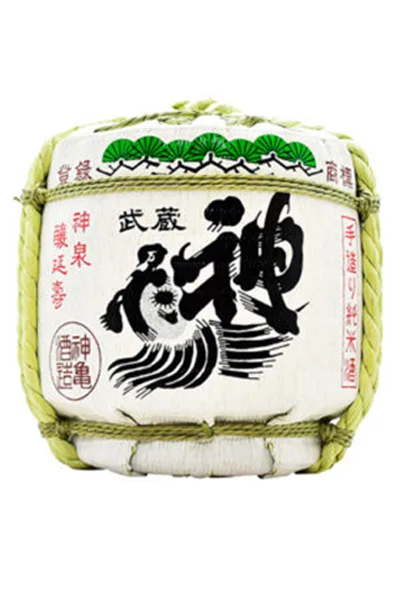
- Shinkame Junmai Taruzake神亀 純米 樽酒
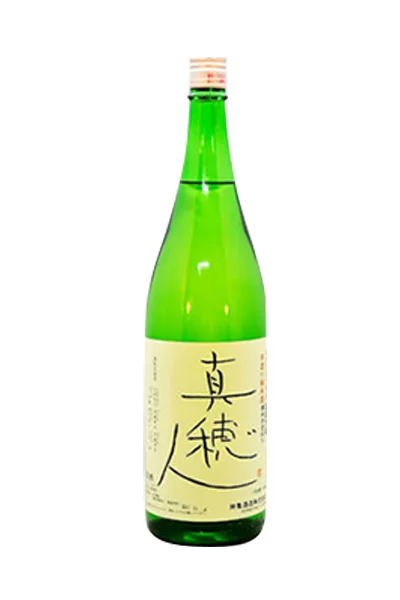
- Shinkame Mahoto神亀 真穂人
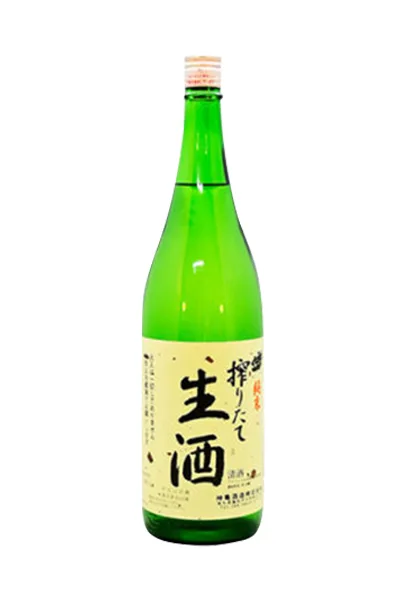
- Shinkame Junmai Shiboritate Namazake神亀 純米 搾りたて 生酒
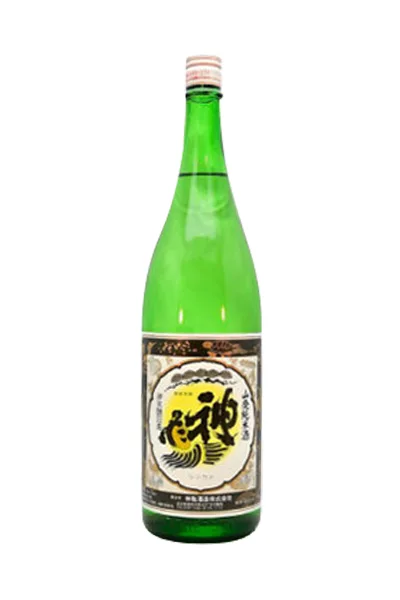
- Shinkame Yamahai Junmai sake神亀 山廃 純米酒
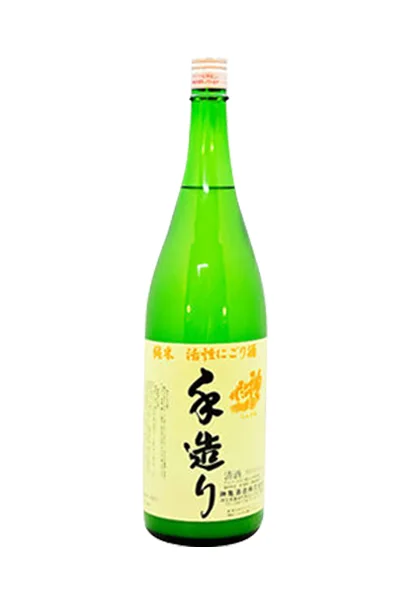
- Shinkame Junmai Kassei Nigori Tezukuri神亀 純米活性にごり酒 手造り
- Shinkame Junmai Seishu神亀 純米清酒
- Shinkame Mahoto Joso Nakagumi神亀 真穂人 上槽中汲
- Shinkame Hiyaoroshi Yamahai Shikomi神亀 ひやおろし 山廃仕込
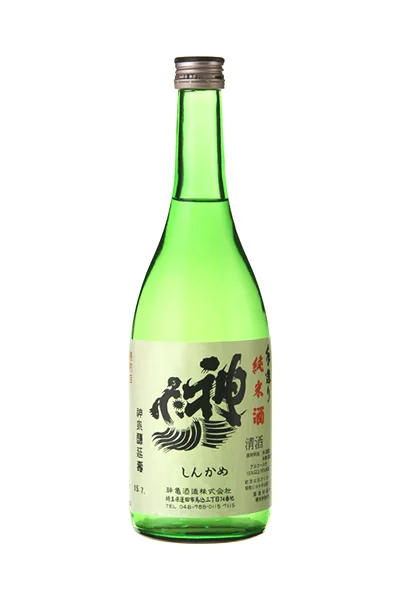
- Shinkame Tezukuri Junmai sake神亀 手造り 純米酒
- Shinkame Junmai Ginjo神亀 純米吟醸
- Shinkame Junmai sake Hanafubuki神亀 純米酒 華吹雪
- Shinkame Junmai Dai Koshu神亀 純米 大古酒