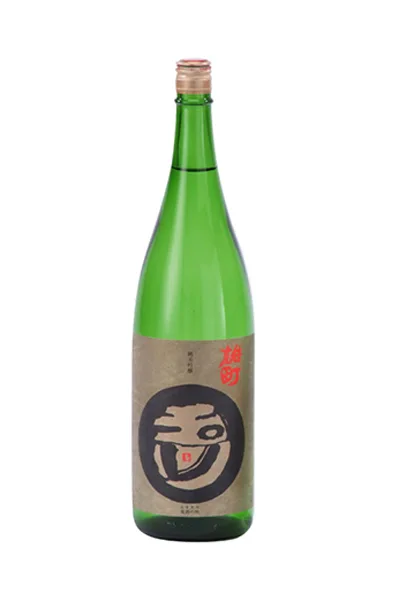
Tamagawa (Kyoto) Junmai Ginjo Omachi
玉川(京都府) 純米吟醸 雄町Junmai ginjo, Omachi rice polished to 60%
Tamagawa — The Kinoshita Brewery, Kyoto
Rich umami and grassy, herbal aromas rather than floral ones make this a sake with presence at the table, made for food.
Specifications
- Type
- Junmai Ginjo
- Rice
- Omachi
- Rice polishing ratio
- 60%40% of each grain polished away
- Yeast
- Not disclosed
- Alcohol
- 15–15.9%
How to read these
- Type
- The grade printed on the label. It depends on the ingredients (rice only, or with a little distilled alcohol) and on how far the rice is polished. More
- Rice
- The rice variety. Most premium sake uses varieties grown for brewing, such as Yamada Nishiki. More
- Rice polishing ratio
- How much of each grain is left after polishing. A lower number means more was milled away, which usually gives a lighter, more aromatic sake. More
- Yeast
- The yeast strain, which shapes the aroma. More
- Alcohol
- Alcohol by volume. Most sake is 15–16%; undiluted (genshu) sake is often 17–18%. More
Flavor profile Full & complex
Full & complex — aromatic and full-bodied, including aged sake. Known in Japan as juku-shu (熟酒).
The 60% polishing ratio and the description of rich umami with grassy, herbal rather than floral aroma point to a restrained aroma, a full body and dry-leaning sweetness. The strong umami and presence place it in the juku quadrant.
Estimated by AI from the published specifications and the brewery's description; your impression may differ.
About
Omachi, often called the 'legendary' sake rice, was born in Okayama Prefecture during the Edo period and is a historic sake rice (sakagura tekigo mai). It pairs widely with food, and is especially enjoyable with ingredients that have astringency or bitterness, such as wild mountain vegetables (sansai), bamboo shoots, and nanohana (rapeseed blossoms).
Other sake from this brand 6
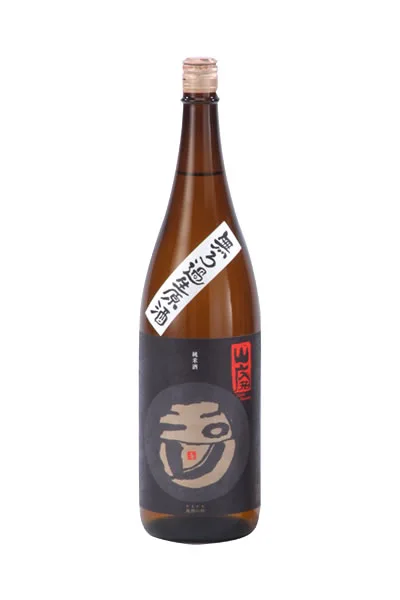
- Tamagawa Shizen Shikomi Junmai sake (Yamahai)玉川 自然仕込 純米酒(山廃)
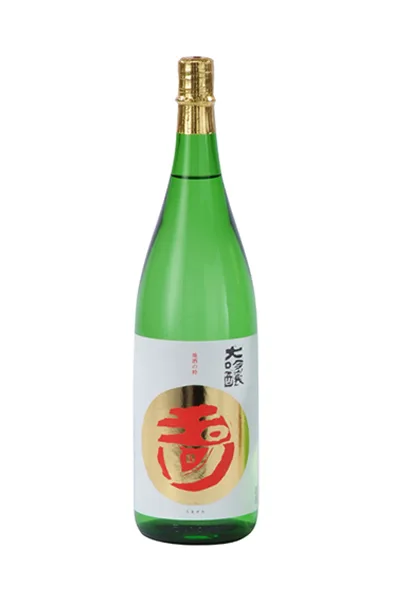
- Tamagawa (Kyoto) Daiginjo玉川(京都府) 大吟醸
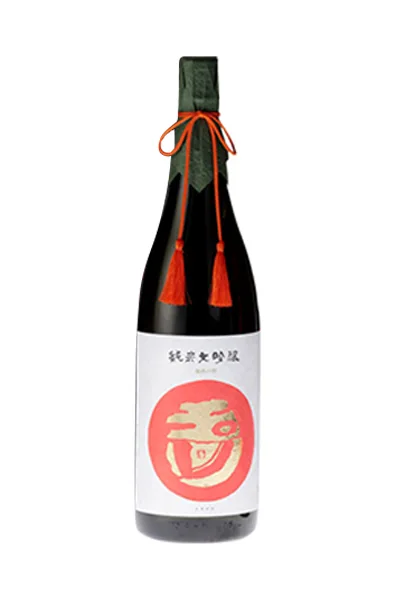
- Tamagawa Junmai Daiginjo玉川(京都府) 純米大吟醸
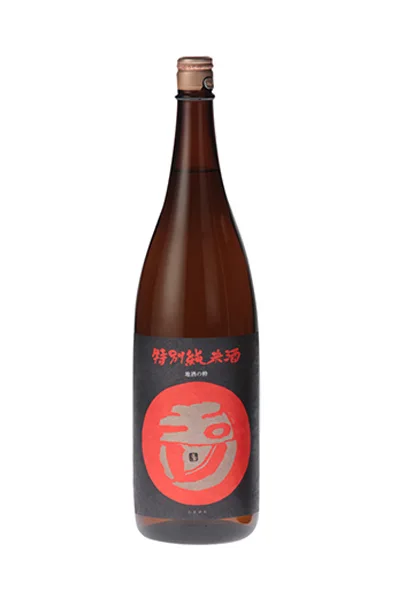
- Tamagawa Tokubetsu Junmai玉川(京都府) 特別純米酒
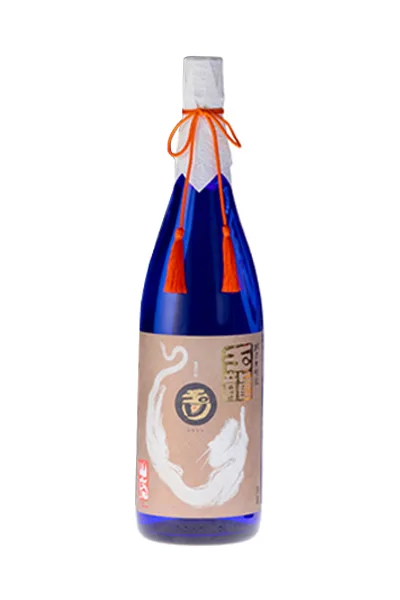
- Tamagawa (Kyoto) Junmai Daiginjo Gyokuryu玉川(京都府) 純米大吟醸 玉龍
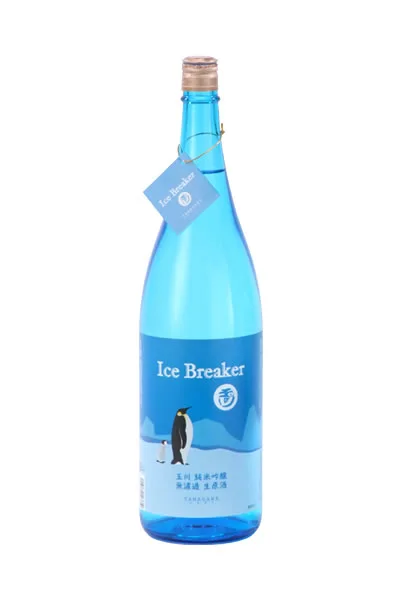
- Tamagawa Junmai Ginjo Ice Breaker玉川 純米吟醸 Ice Breaker