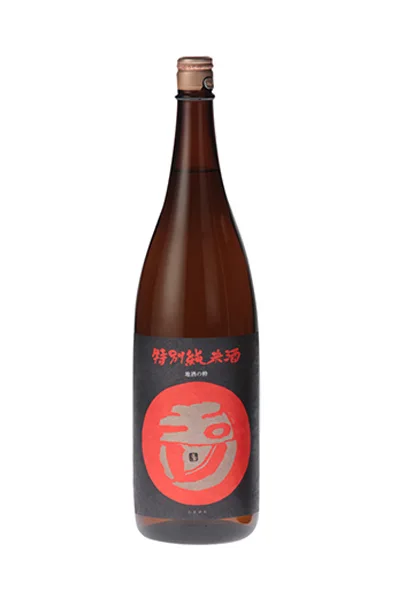
Tamagawa Tokubetsu Junmai
玉川(京都府) 特別純米酒Tokubetsu junmai, Gohyakumangoku rice polished to 60%
Tamagawa — The Kinoshita Brewery, Kyoto
True to the Tamagawa style, a sake you never tire of drinking.
Specifications
- Type
- Tokubetsu Junmai
- Rice
- Gohyakumangoku
- Rice polishing ratio
- 60%40% of each grain polished away
- Yeast
- Not disclosed
- Alcohol
- 16–17%
How to read these
- Type
- The grade printed on the label. It depends on the ingredients (rice only, or with a little distilled alcohol) and on how far the rice is polished. More
- Rice
- The rice variety. Most premium sake uses varieties grown for brewing, such as Yamada Nishiki. More
- Rice polishing ratio
- How much of each grain is left after polishing. A lower number means more was milled away, which usually gives a lighter, more aromatic sake. More
- Yeast
- The yeast strain, which shapes the aroma. More
- Alcohol
- Alcohol by volume. Most sake is 15–16%; undiluted (genshu) sake is often 17–18%. More
Flavor profile Rich & umami
Rich & umami — rice-driven umami and a fuller body. Known in Japan as jun-shu (醇酒).
The special junmai designation at 60% polishing and the text describing a crisp yet umami-rich sake point to restrained aroma, moderate fullness and a dry-leaning profile. Its suitability for warming suggests a rounded, savory character.
Estimated by AI from the published specifications and the brewery's description; your impression may differ.
About
The Tango Peninsula is famous for crab, but Kumihama Bay, just two or three minutes from the brewery, is also known for its oyster farming. Tamagawa Tokubetsu Junmai, a crisp and flavorful sake, makes an unbeatable pairing with the local seafood. It is delicious at room temperature, but many fans prefer to enjoy it warmed (kan).
Other sake from this brand 6
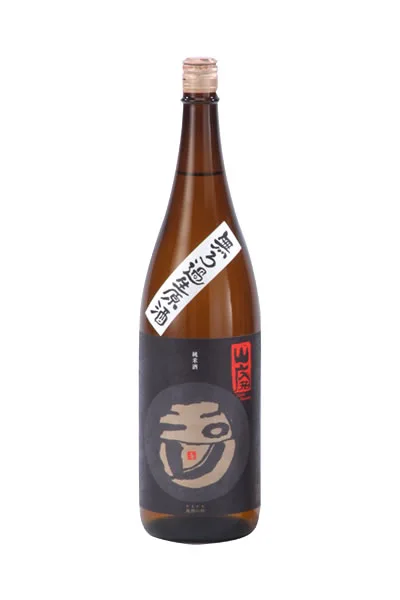
- Tamagawa Shizen Shikomi Junmai sake (Yamahai)玉川 自然仕込 純米酒(山廃)
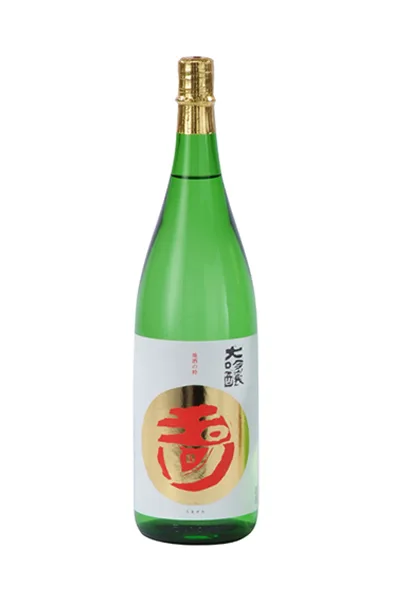
- Tamagawa (Kyoto) Daiginjo玉川(京都府) 大吟醸
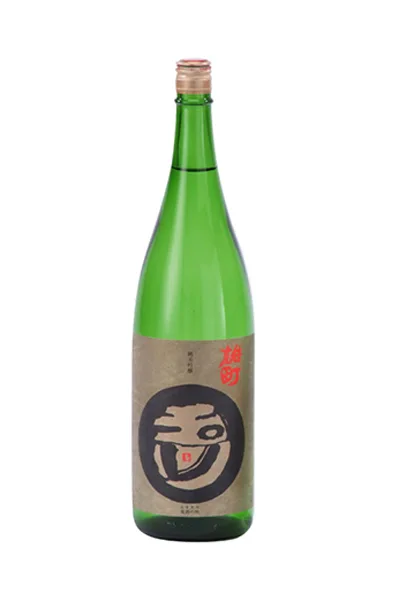
- Tamagawa (Kyoto) Junmai Ginjo Omachi玉川(京都府) 純米吟醸 雄町
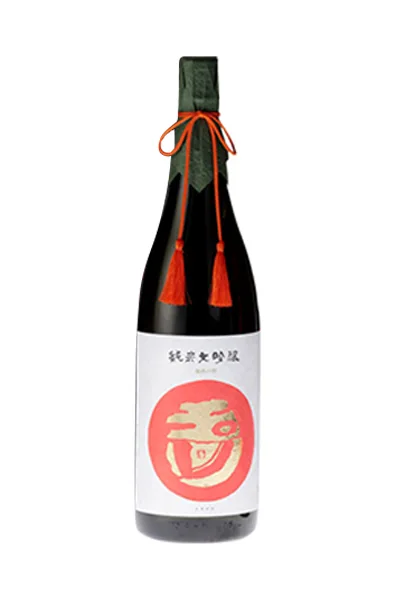
- Tamagawa Junmai Daiginjo玉川(京都府) 純米大吟醸
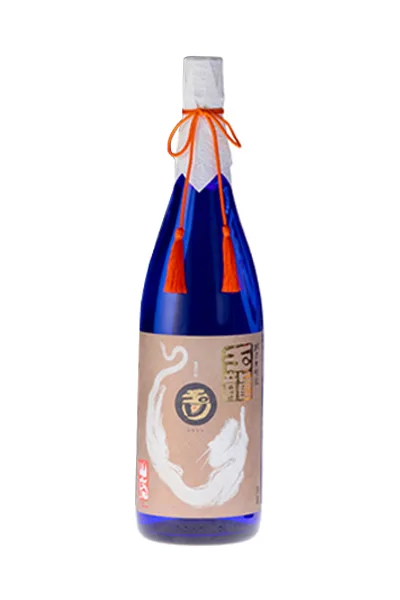
- Tamagawa (Kyoto) Junmai Daiginjo Gyokuryu玉川(京都府) 純米大吟醸 玉龍
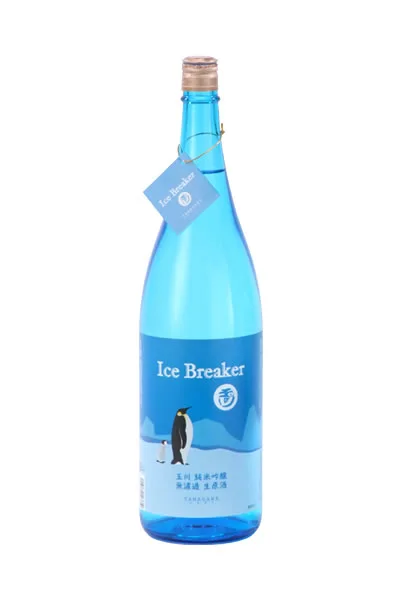
- Tamagawa Junmai Ginjo Ice Breaker玉川 純米吟醸 Ice Breaker