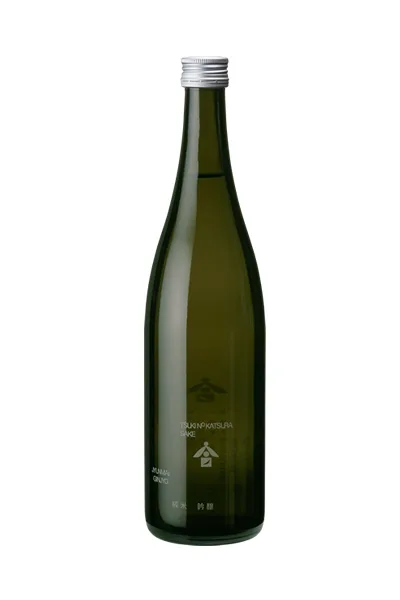
Tsuki no Katsura Junmai
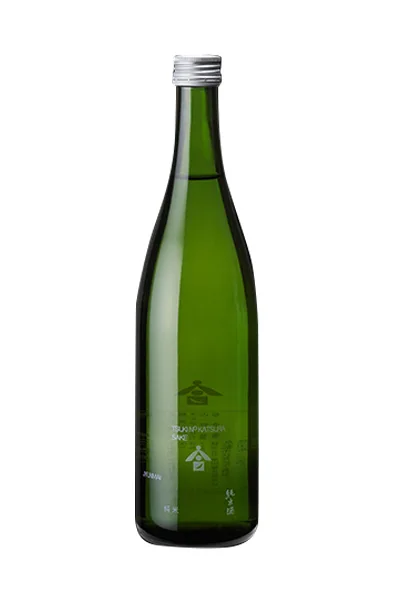
月の桂 純米酒Junmai, Gohyakumangoku rice polished to 55%
Tsuki no Katsura — Masudatokubee Shoten, Kyoto
Full, rounded rice sweetness with a subtle bitter edge
Specifications
- Type
- Junmai Shu
- Rice
- Gohyakumangoku
- Rice polishing ratio
- 55%45% of each grain polished away
- Yeast
- Not disclosed
- Alcohol
- 15–16%
- Sake meter value
- +3slightly dry
- Acidity
- 1.6
How to read these
- Type
- The grade printed on the label. It depends on the ingredients (rice only, or with a little distilled alcohol) and on how far the rice is polished. More
- Rice
- The rice variety. Most premium sake uses varieties grown for brewing, such as Yamada Nishiki. More
- Rice polishing ratio
- How much of each grain is left after polishing. A lower number means more was milled away, which usually gives a lighter, more aromatic sake. More
- Yeast
- The yeast strain, which shapes the aroma. More
- Alcohol
- Alcohol by volume. Most sake is 15–16%; undiluted (genshu) sake is often 17–18%. More
- Sake meter value
- A sweet-to-dry scale. Plus is drier, minus is sweeter. Acidity changes how it tastes, so treat it as a rough guide. More
- Acidity
- Total acid. Higher tends to taste fuller and drier; lower tastes lighter and sweeter. More
Flavor profile Rich & umami
Rich & umami — rice-driven umami and a fuller body. Known in Japan as jun-shu (醇酒).
The description of full rice sweetness and umami, combined with 55% polishing, acidity 1.6 and SMV +3, points to restrained aroma, a fuller body and moderate sweetness. The finish is described as clean and short.
Estimated by AI from the published specifications and the brewery's description; your impression may differ.
About
Brewed to bring out the natural umami of the rice, this junmai sake is designed to enhance the flavors of food. On the palate, a faint banana aroma can be detected. Its key features are a full, rounded sweetness from the rice and a subtle bitterness. The finish is clean and short, with a moderate aroma that lingers pleasantly through the nose. It pairs especially well with richly seasoned dishes. Across a wide range of foods, such as ginger pork (shogayaki), horse mackerel fritters (aji furai), and sukiyaki, it brings out the umami of both the dish and the sake.
Other sake from this brand 18
- Tsuki no Katsura Junmai Ginjo月の桂 純米吟醸
- Tsuki no Katsura Junmai Nigori月の桂 純米 にごり酒
- Tsuki no Katsura Daiginjo Koshu Kohakuhikari月の桂 大吟醸 古酒 琥珀光
- Tsuki no Katsura Hawayu How are you!月の桂 把和游 How are you!
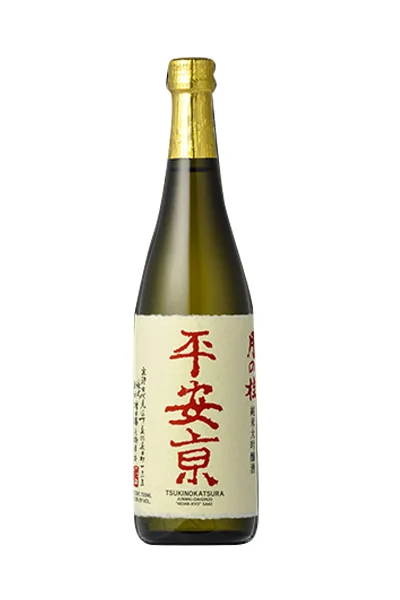
- Tsuki no Katsura Junmai Daiginjo Heian Kyo月の桂 純米大吟醸 平安亰
- Tsuki no Katsura Hofuku Zettou月の桂 抱腹絶倒
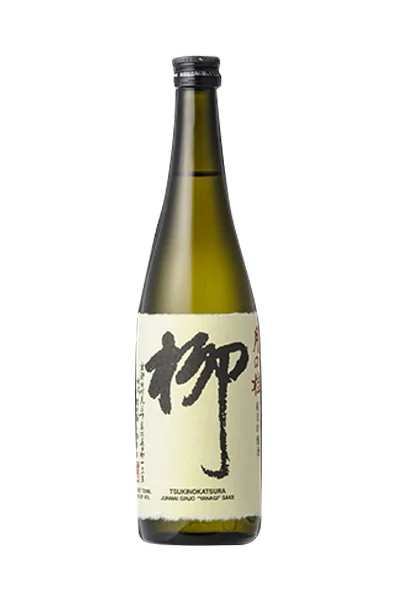
- Tsuki no Katsura Junmai Ginjo Yanagi月の桂 純米吟醸 柳
- Tsuki no Katsura (Kyoto) Junmai Ginjo Nigori月の桂(京都府) 純米吟醸 にごり酒
- Tsuki no Katsura (Kyoto) Honjozo Sumisake月の桂(京都府) 本醸造 すみさけ
- Tsuki no Katsura Kyo no Umakuchi Nigori Zake月の桂(京都府) 京の旨口にごり酒
- Tsuki no Katsura Honjozo Nigori月の桂(京都府) 本醸造 にごり酒
- Tsuki no Katsura Junmai sake Hiyaoroshi月の桂(京都府) 純米酒 ひやおろし