

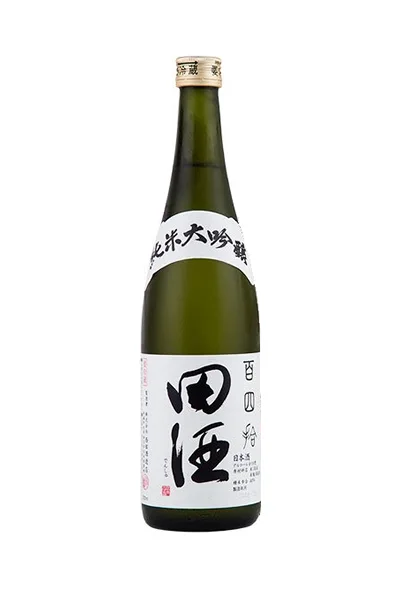
Daiginjo Hyakuyonju Uto
大吟醸 百四拾 善知鳥Honjozo, Hanaomoi rice polished to 35%
Uto — Nishida Shuzoten, Aomori
A daiginjo made from Aomori-grown Hanaomoi sake rice, offering an elegant ginjo aroma and a refined, deep flavor
Specifications
- Type
- Honjozo
- Rice
- Hanaomoi
- Rice polishing ratio
- 35%65% of each grain polished away
- Yeast
- Unknown
- Alcohol
- 17%
- Sake meter value
- +5dry
- Acidity
- 1.3
How to read these
- Type
- The grade printed on the label. It depends on the ingredients (rice only, or with a little distilled alcohol) and on how far the rice is polished. More
- Rice
- The rice variety. Most premium sake uses varieties grown for brewing, such as Yamada Nishiki. More
- Rice polishing ratio
- How much of each grain is left after polishing. A lower number means more was milled away, which usually gives a lighter, more aromatic sake. More
- Yeast
- The yeast strain, which shapes the aroma. More
- Alcohol
- Alcohol by volume. Most sake is 15–16%; undiluted (genshu) sake is often 17–18%. More
- Sake meter value
- A sweet-to-dry scale. Plus is drier, minus is sweeter. Acidity changes how it tastes, so treat it as a rough guide. More
- Acidity
- Total acid. Higher tends to taste fuller and drier; lower tastes lighter and sweeter. More
Flavor profile Aromatic & light
Aromatic & light — fruity, floral aroma with a light body. Known in Japan as kun-shu (薫酒).
The described peach and melon ginjo aroma, 35% polishing ratio, SMV +5 and acidity of 1.3 point to a highly aromatic, dry profile. The 17% alcohol and the described body add moderate richness, placing it in the kun quadrant.
Estimated by AI from the published specifications and the brewery's description; your impression may differ.
About
Made with 100% carefully selected Hyakuyonju sake rice. In the pressing process, no artificial pressure is applied. Only the nakadori (middle cut), the finest portion of the sake collected from the press through sake bags, is bottled. Dry yet with depth, it is characterized by an elegant ginjo aroma reminiscent of peach and melon and a refined, deep flavor. Its dignity surpasses even that of Denshu, and it is the rarest daiginjo among the products handled by Nishida Shuzoten, with the smallest production volume. Uto (善知鳥) is a rare bird designated as the bird of Aomori City.
Other sake from this brand 2
- Uto Yamada Nishiki善知鳥 山田錦
- Uto Yamadaho善知鳥 山田穂