Yoake Mae Nigori Sake
夜明け前 にごり酒Rice polished to 60%, cloudy (nigori)
Yoake Mae — Ono Shuzoten, Nagano
Rich in vitamin B and other nutrients from the nigori, it is valued for its skin-beautifying benefits and is well loved by women.
Specifications
- Type
- Other
- Rice
- Not disclosed
- Rice polishing ratio
- 60%40% of each grain polished away
- Yeast
- Not disclosed
- Alcohol
- 18%
- Sake meter value
- -7.8very sweet
- Acidity
- 1.5
How to read these
- Type
- The grade printed on the label. It depends on the ingredients (rice only, or with a little distilled alcohol) and on how far the rice is polished. More
- Rice
- The rice variety. Most premium sake uses varieties grown for brewing, such as Yamada Nishiki. More
- Rice polishing ratio
- How much of each grain is left after polishing. A lower number means more was milled away, which usually gives a lighter, more aromatic sake. More
- Yeast
- The yeast strain, which shapes the aroma. More
- Alcohol
- Alcohol by volume. Most sake is 15–16%; undiluted (genshu) sake is often 17–18%. More
- Sake meter value
- A sweet-to-dry scale. Plus is drier, minus is sweeter. Acidity changes how it tastes, so treat it as a rough guide. More
- Acidity
- Total acid. Higher tends to taste fuller and drier; lower tastes lighter and sweeter. More
Flavor profile Rich & umami
Rich & umami — rice-driven umami and a fuller body. Known in Japan as jun-shu (醇酒).
An SMV of -7.8 and the described smooth, sweet mouthfeel point to high sweetness, while 18% alcohol and the stated umami of Miyamanishiki add body. Restrained aroma places it in the jun quadrant.
Estimated by AI from the published specifications and the brewery's description; your impression may differ.
About
Miyama Nishiki, a representative sake rice of Nagano Prefecture grown under contract with farmers in Matsumoto City, is polished to a rice polishing ratio of 60%. The nigori sake (cloudy, unfiltered sake) is made by coarsely filtering the moromi (fermentation mash), a process that takes four people half a day, and is released in late November. It has the light umami characteristic of Miyama Nishiki in abundance, with a smooth, sweet mouthfeel, making it a bottle that seems you could drink endlessly. This nigori contains nutrients such as vitamin B, protein, and essential amino acids, which support beautiful skin and improve metabolism. It has been well received by women.
Other sake from this brand 11
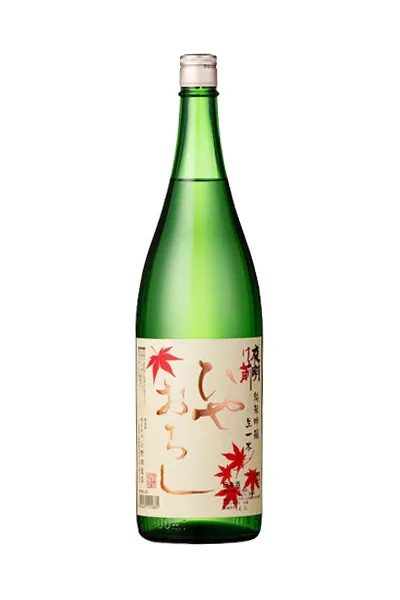
- Yoake Mae Junmai Ginjo Kiippon Hiyaoroshi夜明け前 純米吟醸 生一本 ひやおろし
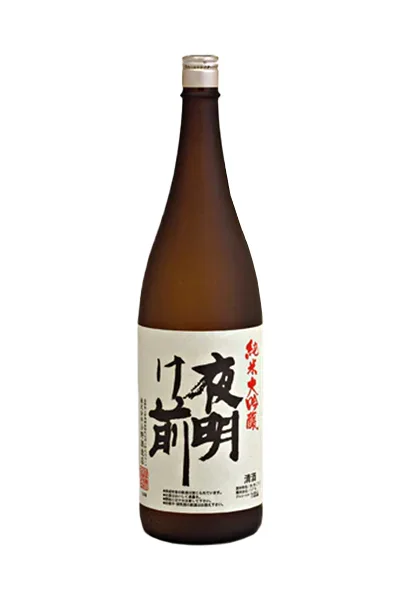
- Yoake Mae Junmai Daiginjo夜明け前 純米大吟醸
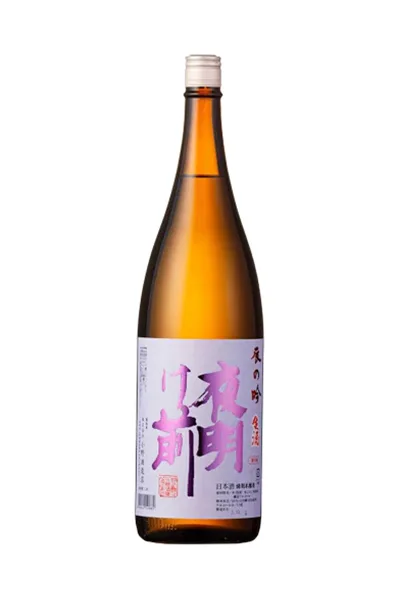
- Yoake Mae Tokubetsu Honjozo Tatsu no Gin Shiboritate Nama夜明け前 特別本醸造 辰の吟 しぼりたて生
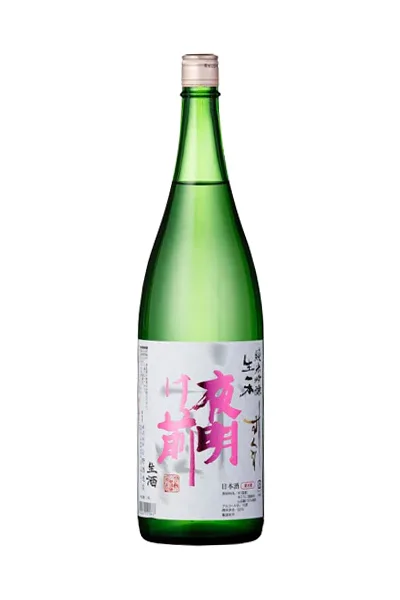
- Yoake Mae Junmai Ginjo Kiippon Shizuku-dori夜明け前 純米吟醸 生一本 しずく採り
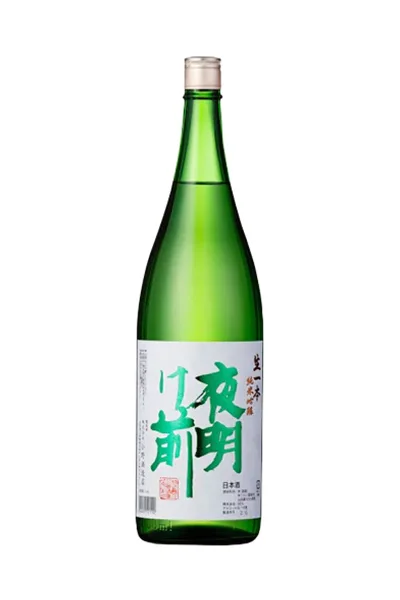
- Yoake Mae Junmai Ginjo Kiippon夜明け前 純米吟醸 生一本
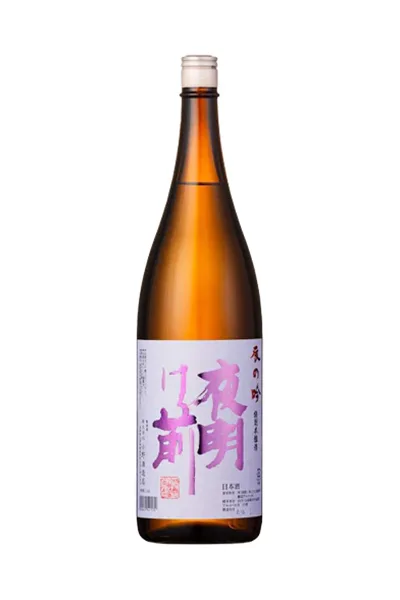
- Yoake Mae Tokubetsu Honjozo Tatsu no Gin夜明け前 特別本醸造 辰の吟
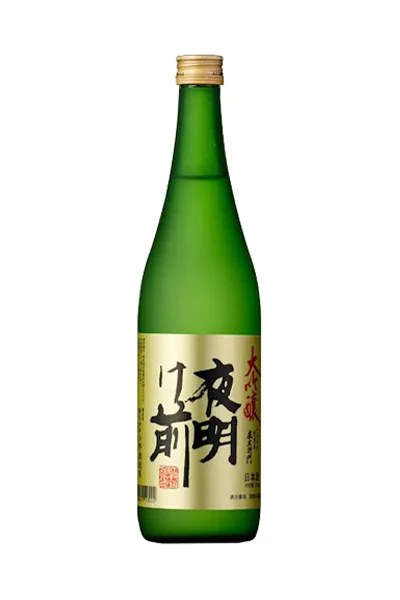
- Yoake Mae Daiginjo夜明け前 大吟醸
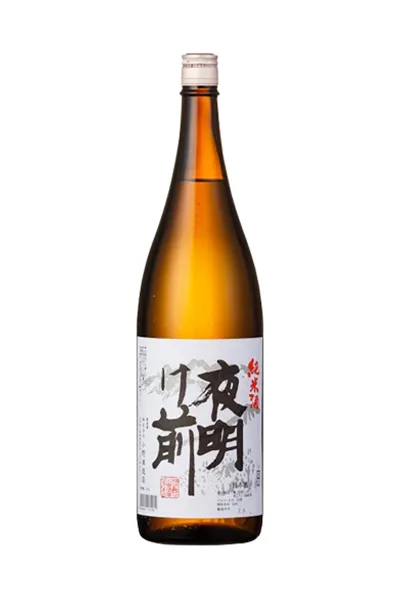
- Yoake Mae Junmai sake夜明け前 純米酒
- Yoake Mae Junmai Kiippon夜明け前 純米 生一本
- Yoake Mae Ginjo Gankan Shikomi夜明け前 吟醸 厳寒仕込
- Yoake Mae Honjozo Dry夜明け前 本醸造 辛口